


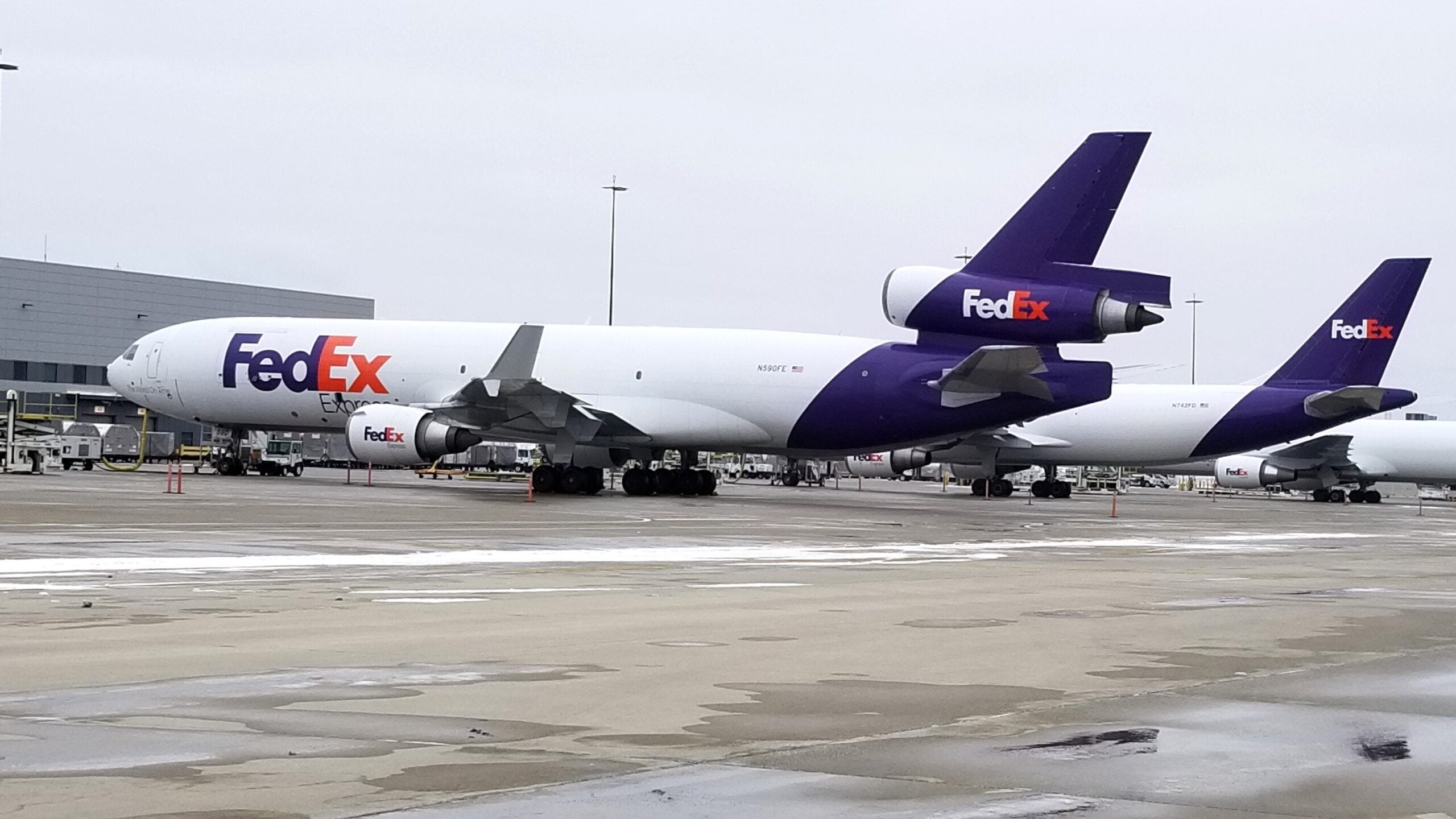
On Thursday evening, the fragile peace of the North American aerospace sector was shattered by a single post on Truth Social. President Donald Trump, escalating a simmering certification dispute, announced a stunning ultimatum: a 50% tariff on all Canadian-made aircraft and, perhaps more significantly, the immediate “decertification” of Bombardier’s fleet. The move, framed as retaliation for Canada’s alleged refusal to certify Gulfstream jets, sent shockwaves from Montreal to Mobile, Alabama.
While the headlines focused on the diplomatic spat, the data reveals a far more precarious reality for the US aviation system. This is not merely a tax on future sales; the threat to “decertify” strikes at the operational legality of thousands of aircraft already flying in US airspace. From regional hoppers connecting small towns to the luxury jets of the Fortune 500, the scope of the target list is unprecedented.
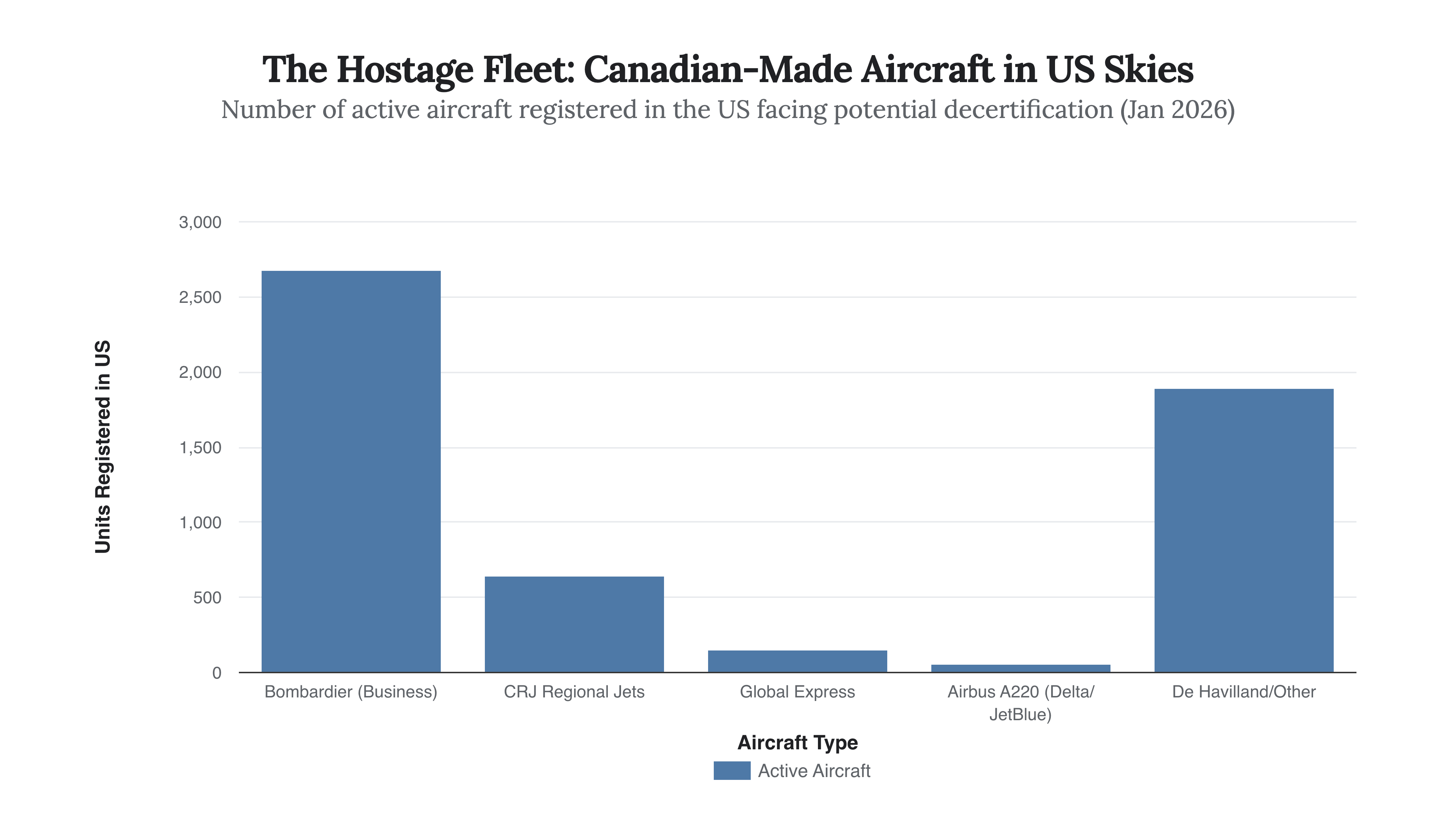
As the chart above illustrates, the collateral damage of this policy would be immediate and severe. According to aviation analytics firm Cirium, there are approximately 5,425 Canadian-assembled aircraft currently registered in the United States. While Trump specifically named the Bombardier Global Express—a direct competitor to the US-made Gulfstream—the blanket wording of his threat ensnares the backbone of America’s regional aviation.
The 648 Bombardier CRJ regional jets currently in service with carriers like United, Delta, and American Airlines represent a critical infrastructure link. These aircraft execute over 2,600 daily flights, providing roughly 175,000 seats every single day. A grounding or decertification order would not just inconvenience executives; it would sever air links to dozens of smaller US cities that rely exclusively on these regional jets.
“Politically motivated decertification would create instability, threaten thousands of jobs on both sides of the border, and undermine the integrity of the aviation system we all depend on.” — David Chartrand, IAM Canadian Vice President
The Gulfstream Pretext
The explicit trigger for this escalation is a certification standoff involving Gulfstream Aerospace, a subsidiary of US defense giant General Dynamics. President Trump accused Canadian regulators of “wrongfully, illegally, and steadfastly” blocking the entry of Gulfstream’s G500, G600, and G700/800 series jets. He framed the 50% tariff as a necessary lever to force Canada’s hand.
However, industry data suggests this is less about bureaucratic red tape and more about a fierce manufacturing rivalry. In the ultra-long-range business jet market, Bombardier and Gulfstream are locked in a duopoly. While Gulfstream generates higher revenue, Bombardier has recently edged out its American rival in pure volume.
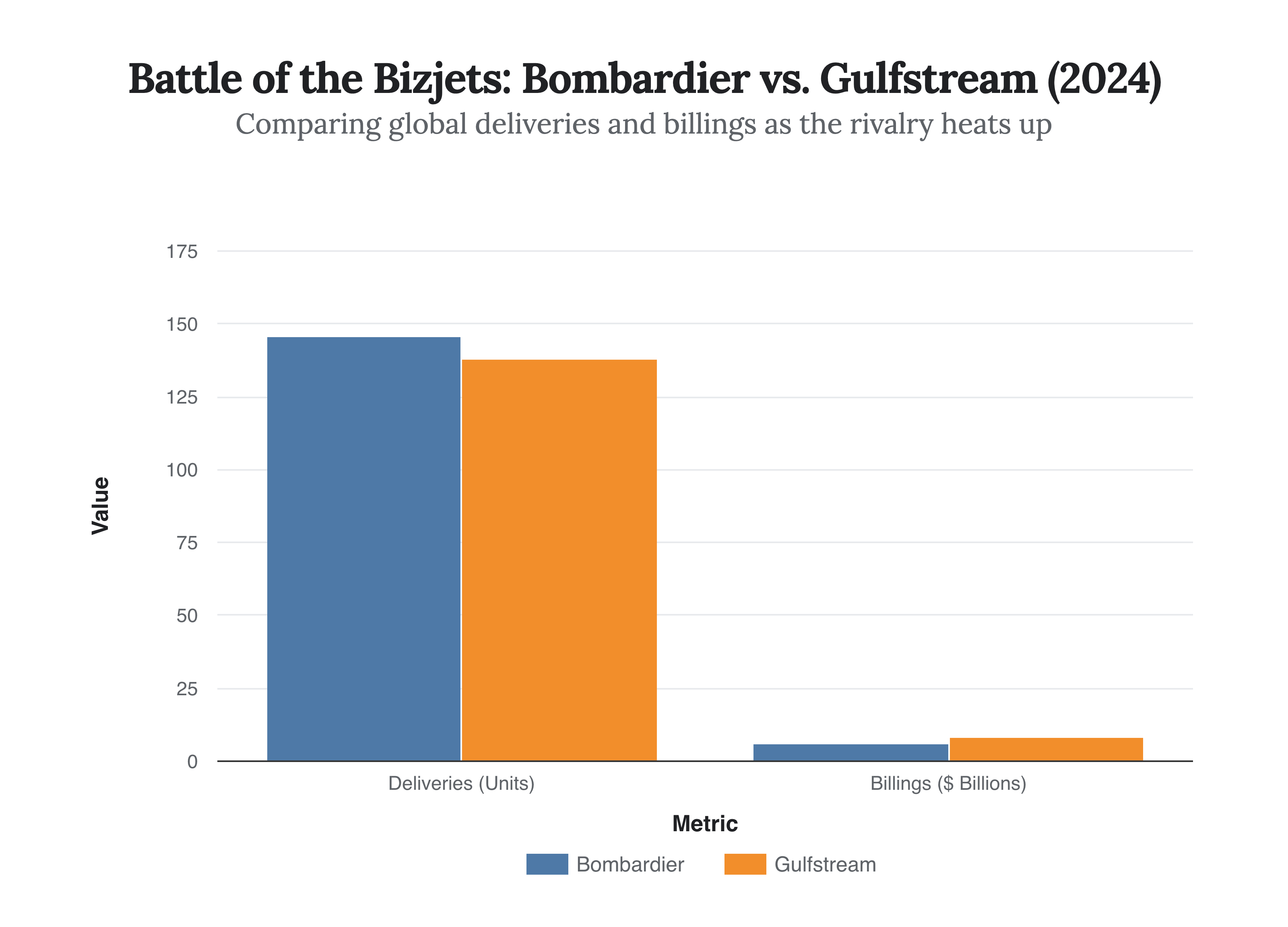
This chart reveals the friction point. In 2024, Bombardier delivered 146 luxury jets, narrowly beating Gulfstream’s 138. Yet, Gulfstream’s dominance in the highest-price tier allowed it to rake in $8.3 billion in billings compared to Bombardier’s $6.3 billion. By targeting the “Global Express” specifically, the administration is aiming directly at Bombardier’s most profitable product line, effectively attempting to tilt the competitive balance via executive fiat.
The Supply Chain Boomerang
The irony of a 50% tariff on “Canadian” aircraft is the deeply integrated nature of the aerospace supply chain. A modern jet is not built in a vacuum; it is an assembly of parts that cross the border multiple times. Bombardier employs over 3,000 workers directly in the United States, with a footprint that includes service centers in Dallas, Hartford, and Fort Lauderdale, and a massive manufacturing completion center for the Global 7500 in Wichita, Kansas.
Furthermore, the Airbus A220—also caught in the “all aircraft” crossfire—is a prime example of this complexity. While the program is Canadian-led, the planes flown by Delta and JetBlue are often assembled in Mobile, Alabama. A tariff on parts or decertification of the type would directly penalize a factory employing Americans in a deep-red state.
“The 25% tariff, if it comes into effect, will dramatically affect the aerospace industry because of the supply chains that take parts and components back and forth across the border.” — Gary Hufbauer, Peterson Institute for International Economics
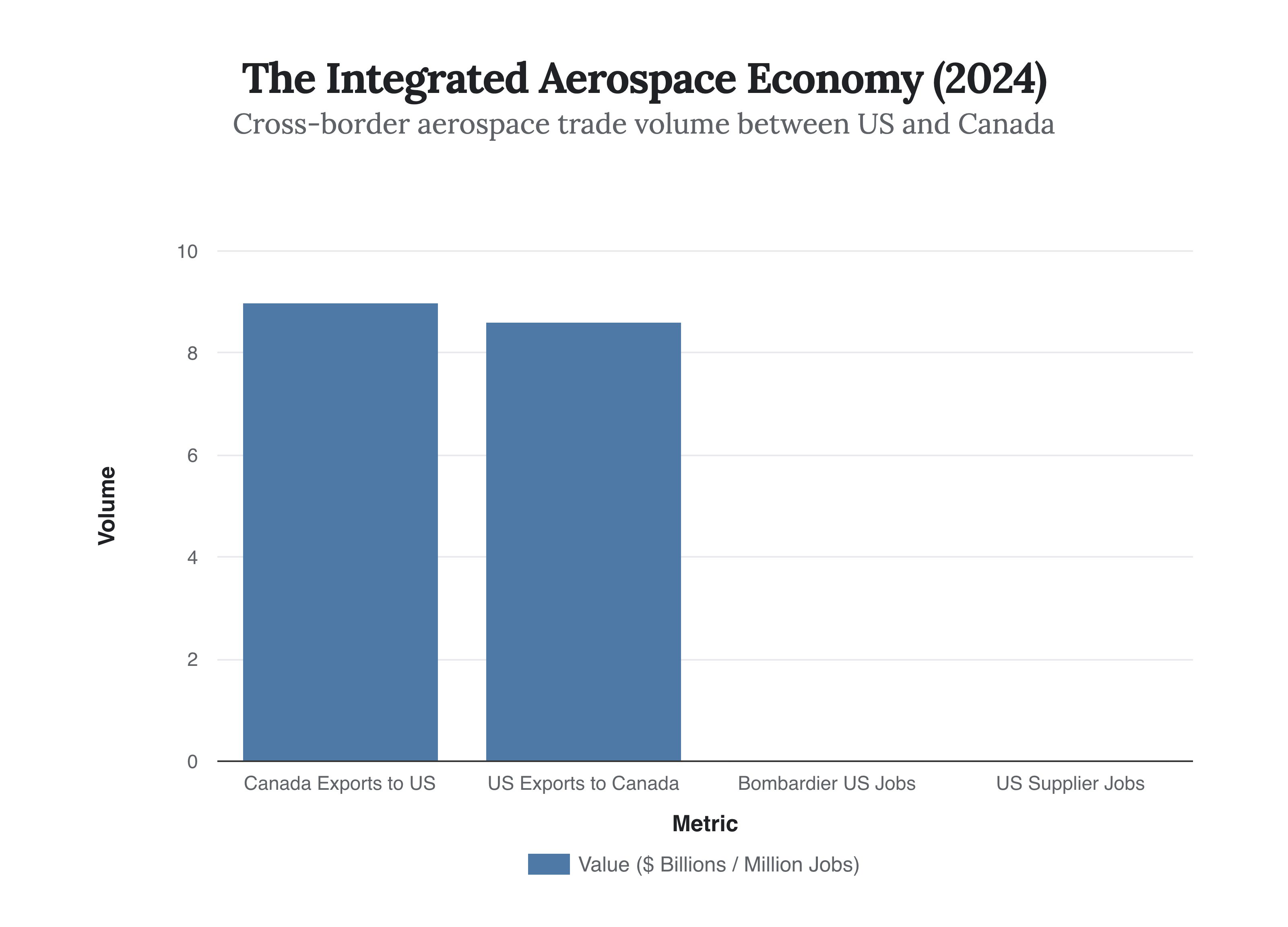
The $9 billion question is whether the administration will follow through on a threat that seems designed to hurt the sender as much as the recipient. With US airlines already facing capacity constraints and regional carriers struggling with pilot shortages, the sudden removal of 175,000 daily seats would be catastrophic. The market’s reaction was swift—Bombardier shares slumped, but anxiety is equally high in Atlanta and Chicago, where airline fleet planners are now staring at a potential logistical abyss.