


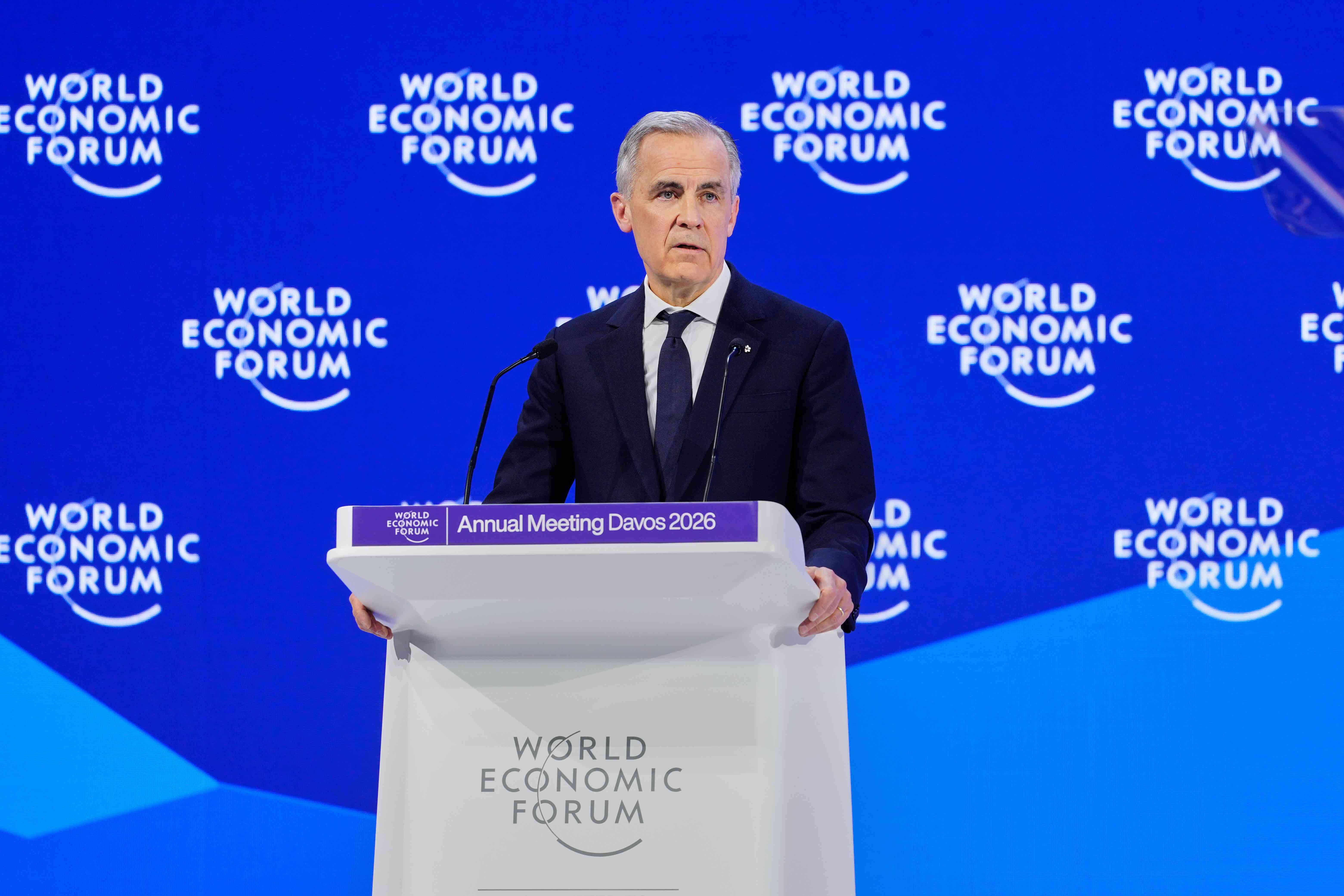
The air in Davos this week is thinner than usual, and it isn’t just the altitude. As the World Economic Forum 2026 kicks off under the theme “A Spirit of Dialogue,” the data tells a story of two distinct, diverging realities. In one reality, driven by American dynamism and a staggering capital injection into artificial intelligence, there is talk of a new “Roaring Twenties.” In the other, represented by a solemn European delegation, the focus is on existential defense and economic survival. The most shocking figure to emerge from the opening sessions isn’t a GDP forecast or an inflation print—it is a single capital expenditure statistic that redefines the scale of human ambition.
According to a new analysis presented on the sidelines of the forum, five US technology giants—Alphabet, Amazon, Meta, Microsoft, and Oracle—are projected to spend over $450 billion on AI-specific infrastructure in 2026 alone. To put this figure into perspective, the inflation-adjusted cost of the entire Apollo program, which put a man on the moon over the course of 13 years, was approximately $326 billion. We are witnessing a “Moon landing” level of investment every nine months, funded entirely by private capital.
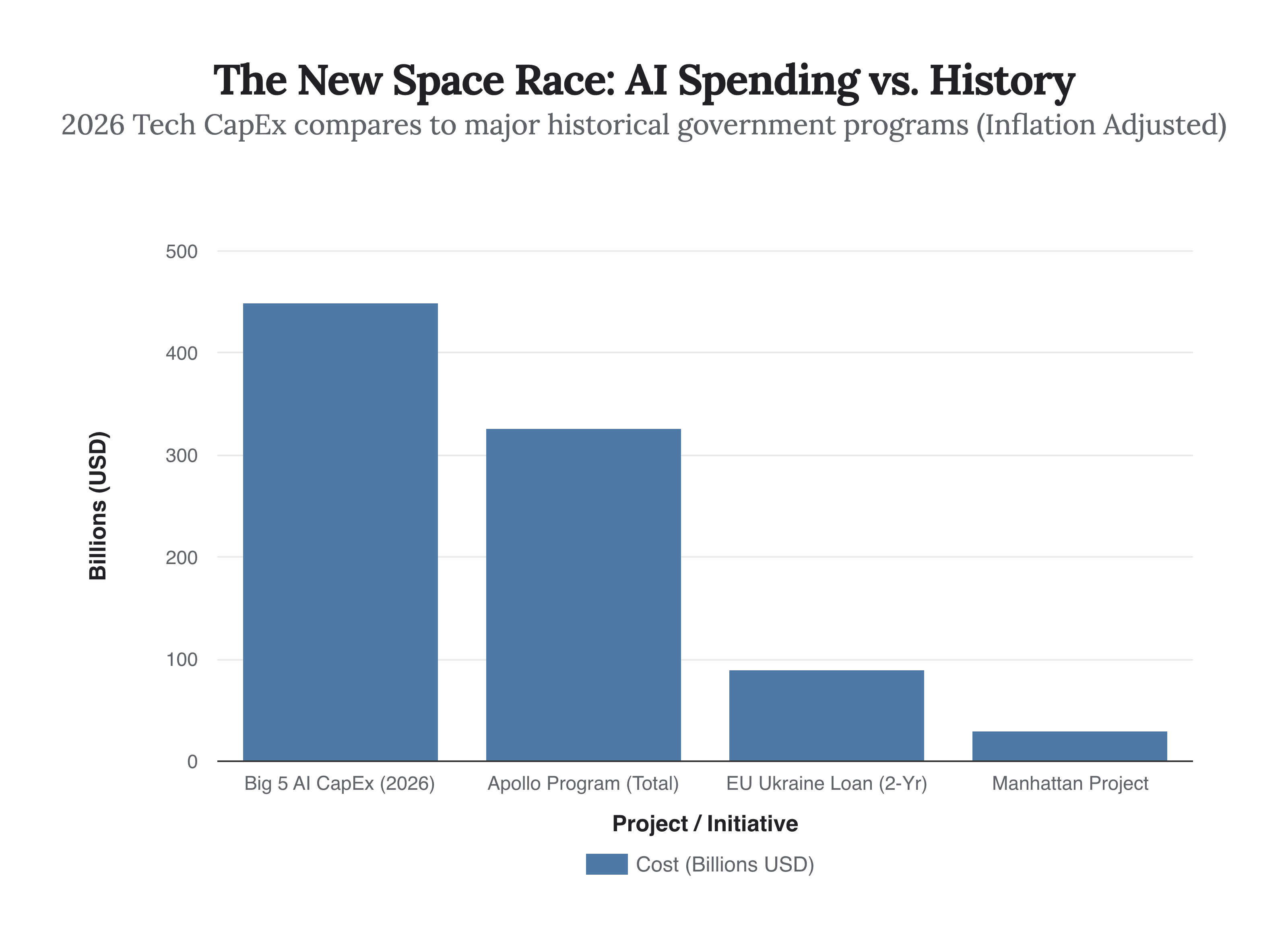
This massive disparity in resource allocation highlights the “capability overhang” described by OpenAI’s Chris Lehane during the opening plenary. While the US tech sector accelerates into what McKinsey calls the “Agentic AI” era—where autonomous software agents begin to replace human workflows—the public sector is grappling with a much darker set of priorities. European Commission President Ursula von der Leyen’s announcement of a €90 billion loan to Ukraine for 2026-2027 serves as a stark counterweight to the silicon exuberance. While Silicon Valley buys the future, Brussels is paying to preserve the present.
“We are in a de facto AI Cold War where each side must win... If AI governance happens at all, it will happen in the corporate boardroom.” — Chris Lehane, OpenAI
The Optimism Gap
The fracture at Davos 2026 is best illustrated by the wildly divergent economic forecasts circulating through the Congress Centre. Commerce Secretary Howard Lutnick, representing the Trump administration, stunned attendees with a prediction that US GDP growth would hit 6% by the end of the year, driven by deregulation and the AI productivity boom. This figure stands in aggressive contrast to the more cautious consensus from Wall Street and the International Monetary Fund.
While the US administration projects a boom, the IMF’s outlook remains “steady but divergent,” forecasting global growth at just 3.3%. The discrepancy suggests that either the US is on the verge of a productivity miracle that traditional models cannot capture, or that political optimism has completely decoupled from economic reality.
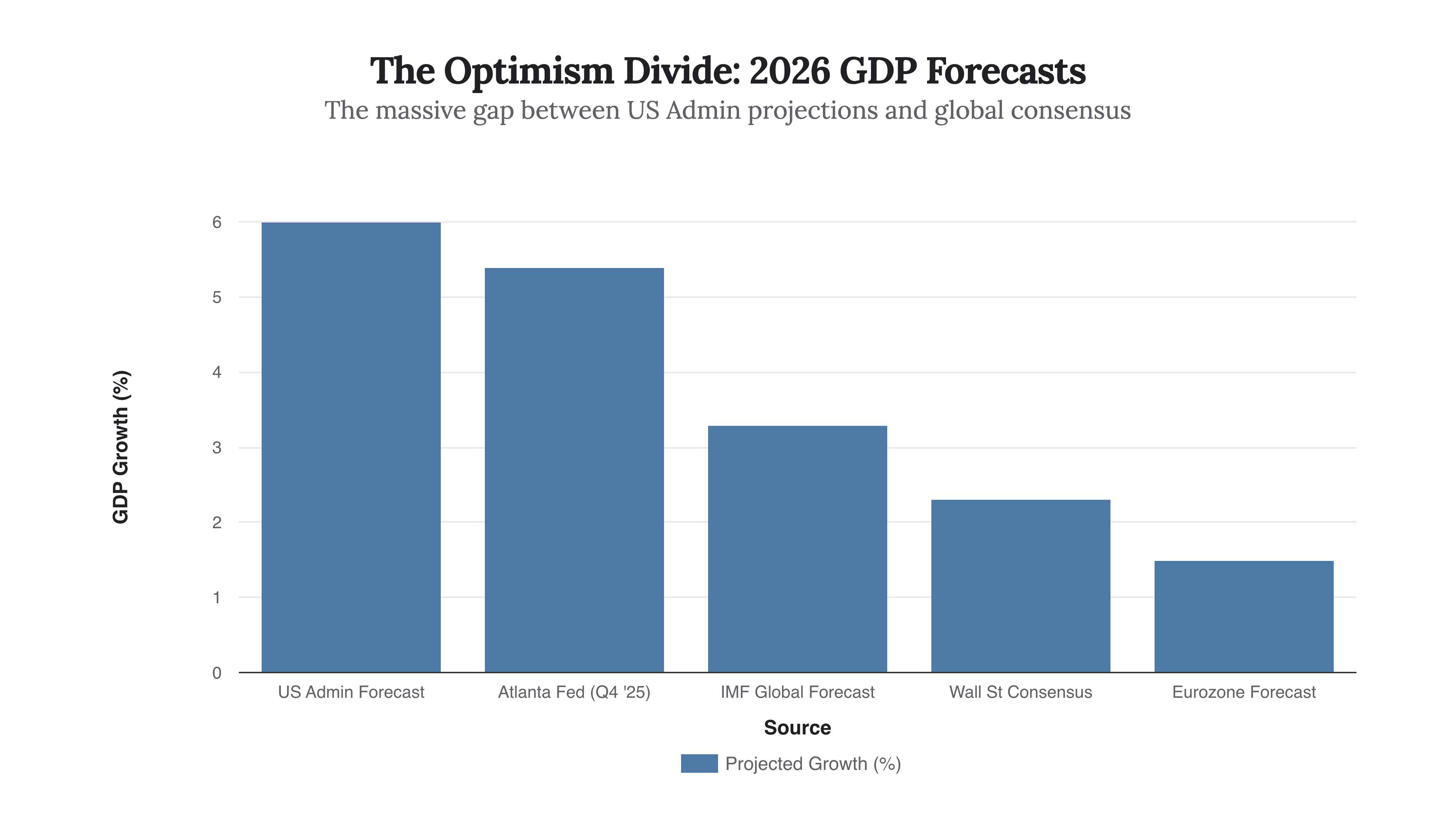
This “Optimism Gap” is fueling the underlying tension of the conference. The US delegation argues that the $450 billion AI spend will yield immediate productivity dividends, justifying the 6% growth target. Skeptics, including JPMorgan’s Jamie Dimon, warn of the societal cost, suggesting that the rollout of AI might need to be “slowed down” to prevent civil unrest—a sentiment that seems to have little traction among the tech titans present.
The Risk Reality
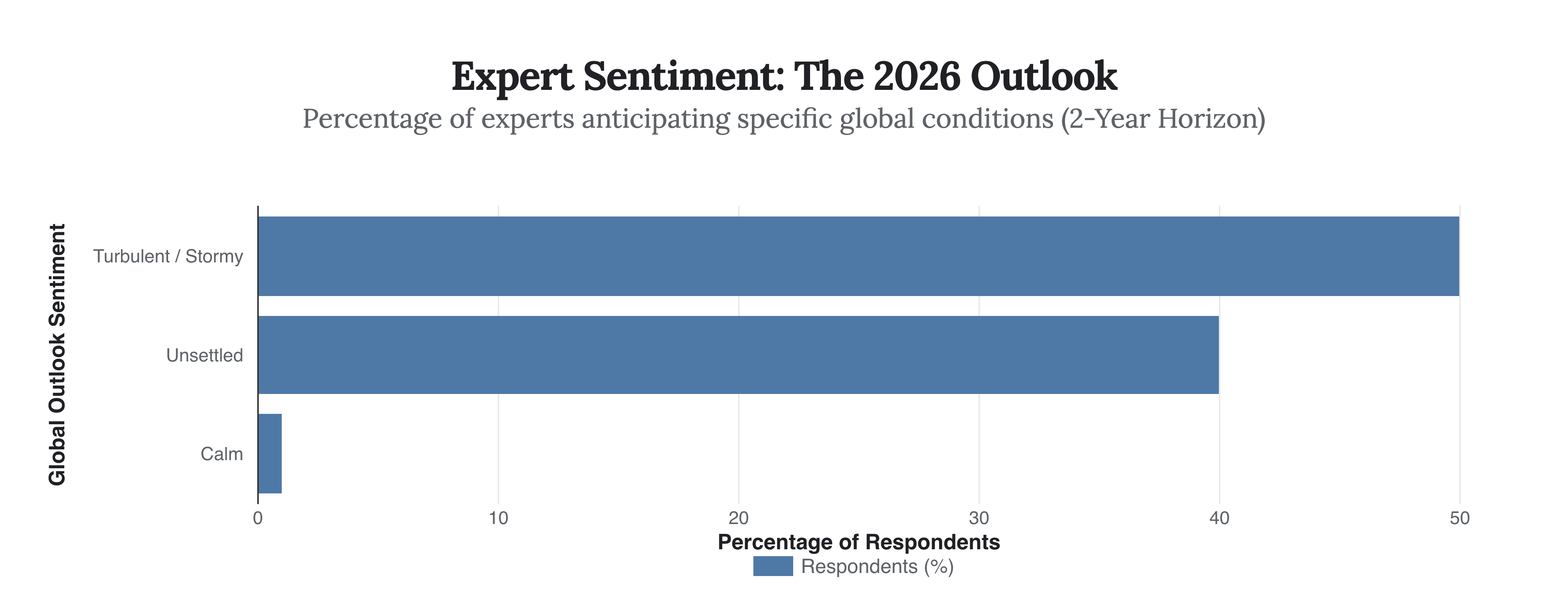
Beneath the speeches and the champagne, the mood of the experts on the ground is far from celebratory. The World Economic Forum’s own Global Risks Report 2026 paints a picture of a world balancing on a precipice. For the first time in years, “Geoeconomic Confrontation” has surged to become the number one risk, cited by 18% of experts as the top threat, overtaking extreme weather and armed conflict.
The survey data reveals a profound lack of confidence in global stability. When asked about the outlook for the next two years, a crushing 50% of respondents anticipate a “turbulent” or “stormy” environment, while only a statistical error—1%—predicts calm. This explains why, despite the technological optimism, the recurring phrase in the hallways is “Sovereignty Trap”—the idea that nations are becoming so focused on securing their own supply chains and borders that they are destroying the global trade mechanisms that enabled their growth.
Ultimately, Davos 2026 is a conference of two conversations. One is about the limitless potential of machines, funded by a $450 billion war chest that dwarfs the achievements of the 20th century. The other is about the fragility of human systems, funded by emergency loans and defined by a fear of confrontation. The data suggests that while we are building the engines of a new god-like intelligence, we have yet to figure out how to keep the peace among ourselves.