



In a definitive move to cement its dominance in the public sector, Amazon Web Services (AWS) has announced a staggering $50 billion investment to expand artificial intelligence and supercomputing infrastructure specifically for the U.S. government. Breaking ground in 2026, this initiative is not merely a financial commitment; it is a physical reshaping of the federal digital landscape, promising to add nearly 1.3 gigawatts of power capacity across AWS Top Secret, Secret, and GovCloud regions.
This announcement, made just days ago, underscores a critical pivot in the cloud wars. While consumer AI applications like ChatGPT have dominated headlines, the quiet battle for national security infrastructure has intensified. AWS is already the entrenched leader in government cloud services, but this new injection of capital aims to future-proof that lead against aggressive challenges from Microsoft Azure and Google Cloud. The scale of this single purpose-built project eclipses even the most massive state-level commercial investments we have seen in recent years.
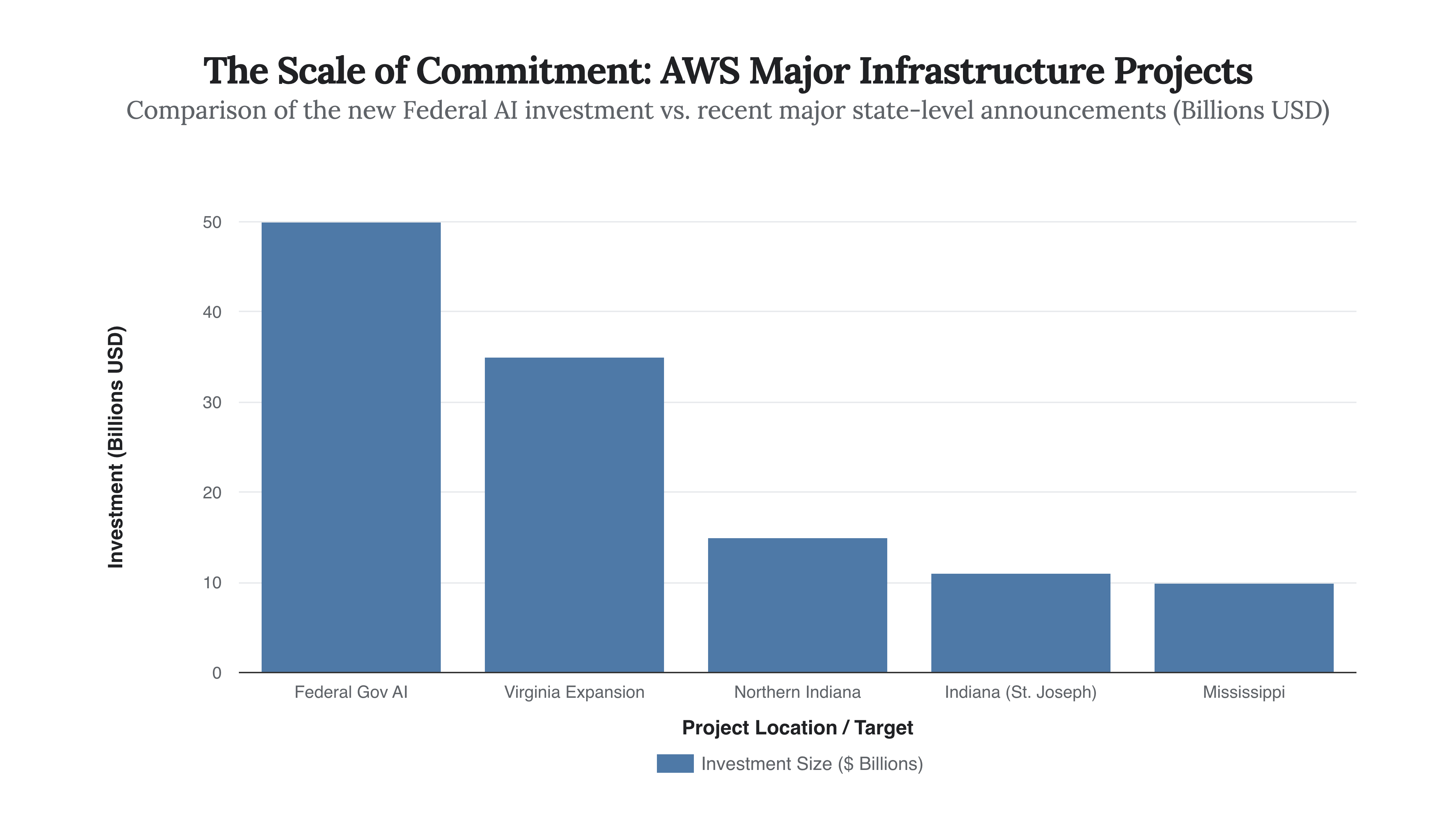
The strategic timing of this investment cannot be overstated. With the U.S. government racing to integrate generative AI into defense, intelligence, and administrative workflows, the demand for secure, high-performance computing is skyrocketing. Amazon’s $50 billion pledge is designed to provide agencies with access to cutting-edge tools—including Amazon SageMaker, Bedrock, and Nvidia’s latest infrastructure—within strictly classified environments.
“This investment removes the technology barriers that have held government back and further positions America to lead in the AI era.” — Matt Garman, CEO of AWS
To understand why Amazon is doubling down so aggressively, one must look at the broader market context. While AWS maintains a comfortable lead in the global cloud infrastructure market, its competitors are not standing still. Microsoft has leveraged its partnership with OpenAI to make significant inroads, and Google continues to tout its AI-first heritage. However, AWS’s entrenched status with the federal government—holding high-level security clearances and verified infrastructure—provides a moat that this new capital expenditure is designed to widen.
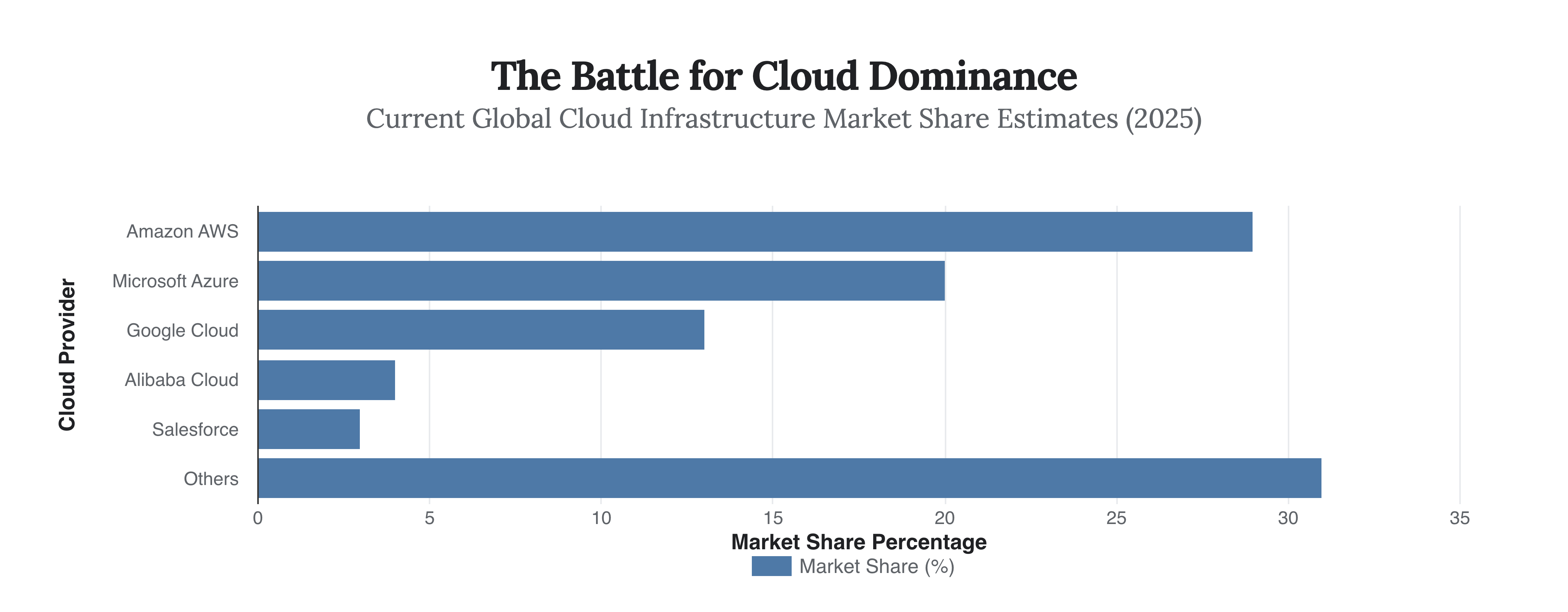
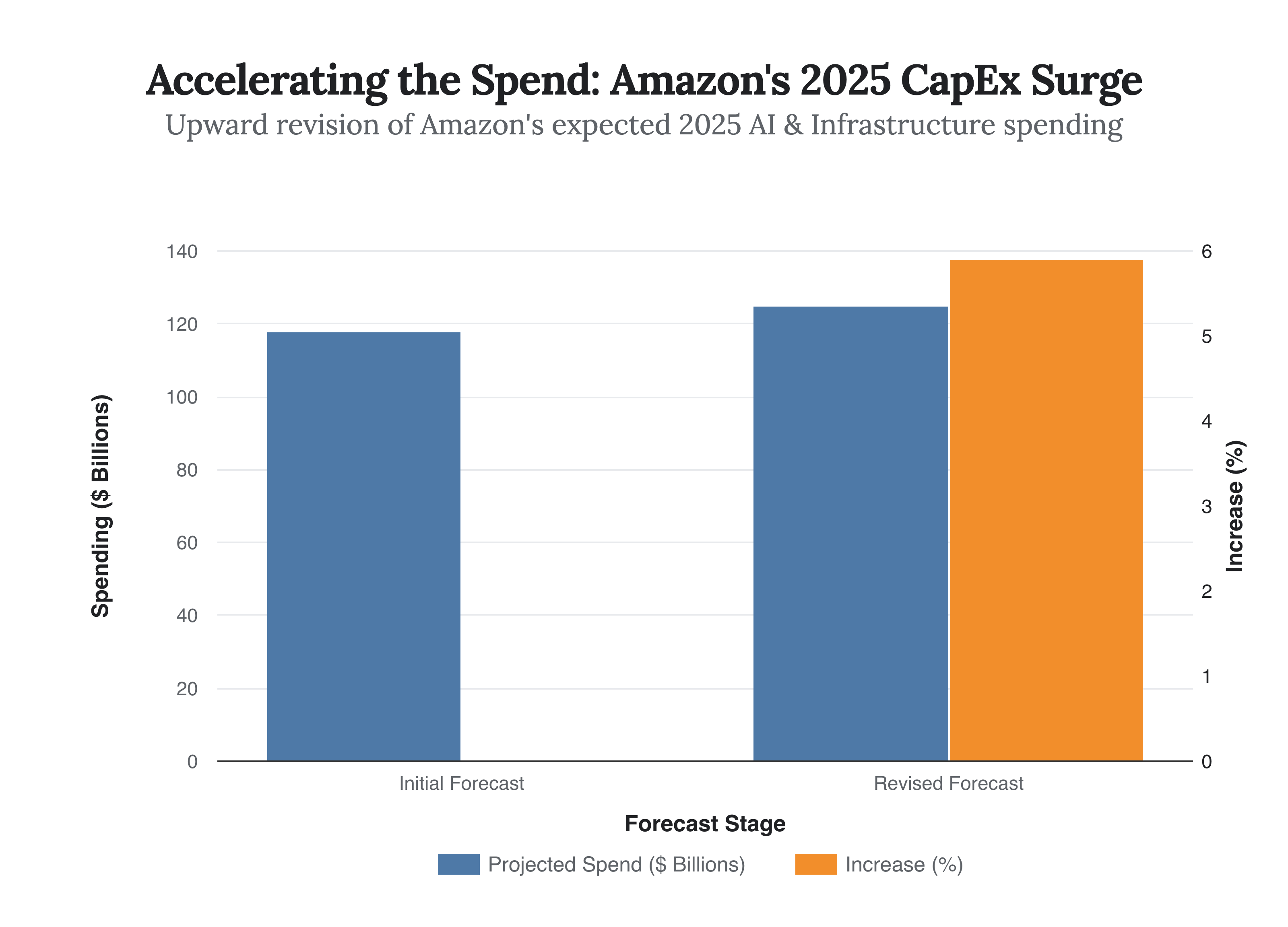
The financial magnitude of Amazon’s strategy is further illuminated by its capital expenditure forecasts. The company has signaled that it expects to end 2025 with approximately $125 billion in total AI and infrastructure spending, a figure that was revised upward from earlier estimates. This surge reflects a broader industry trend where “hyperscalers” are converting cash reserves into concrete, silicon, and power capacity at an unprecedented rate.
This $50 billion project is more than just a data center build-out; it is a geopolitical statement. By dedicating 1.3 gigawatts of power solely to government missions, Amazon is effectively treating national security as a distinct vertical market with requirements that far exceed commercial standards.
As AI models grow larger and more power-hungry, the entity with the most robust physical infrastructure—power, cooling, and chips—will ultimately define the pace of innovation.
“We’re giving agencies expanded access to advanced AI capabilities that will enable them to accelerate critical missions from cybersecurity to drug discovery.” — Matt Garman, CEO of AWS
The bottom line: In an era where computational power is a proxy for national influence, Amazon’s $50 billion wager signals that the future of U.S. governance will be built on the backbone of private silicon.
The arms race is digital. Grounded warfare of the past era has a new arena as an imperative to enter.