


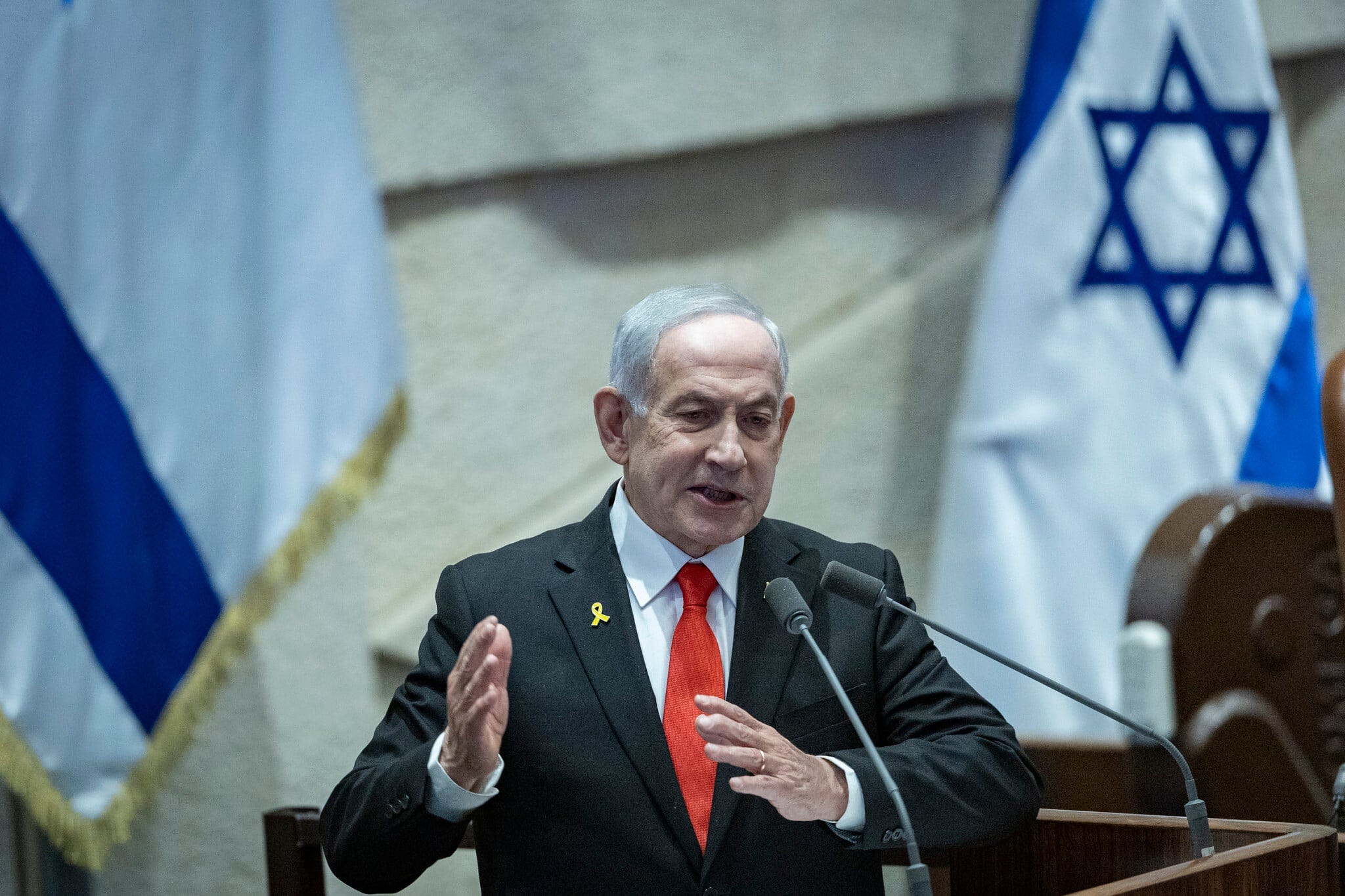
On Wednesday morning in Jerusalem, Prime Minister Benjamin Netanyahu convened a cabinet meeting that was ostensibly about money, but was in reality about survival. The headline number on the table—a staggering 112 billion NIS ($35.45 billion) allocated for defense in the latest budget draft—tells a story of a nation transforming into a fortress. But beneath this figure lies a more fragile reality: a military running out of soldiers, a diplomatic tug-of-war with a new Trump administration, and a budget deficit that refuses to shrink.
The cabinet’s agenda this week has been dominated by two colliding forces: the delivery of the 2026 state budget draft to the Knesset on Monday and a stark, classified warning letter from IDF Chief of Staff Eyal Zamir. While Finance Minister Bezalel Smotrich projects confidence, asserting the government is “determined to pass” the budget, the mood inside the Prime Minister’s Office is reportedly tense. The data reveals why: the cost of the “long war” has fundamentally altered Israel’s economic DNA.
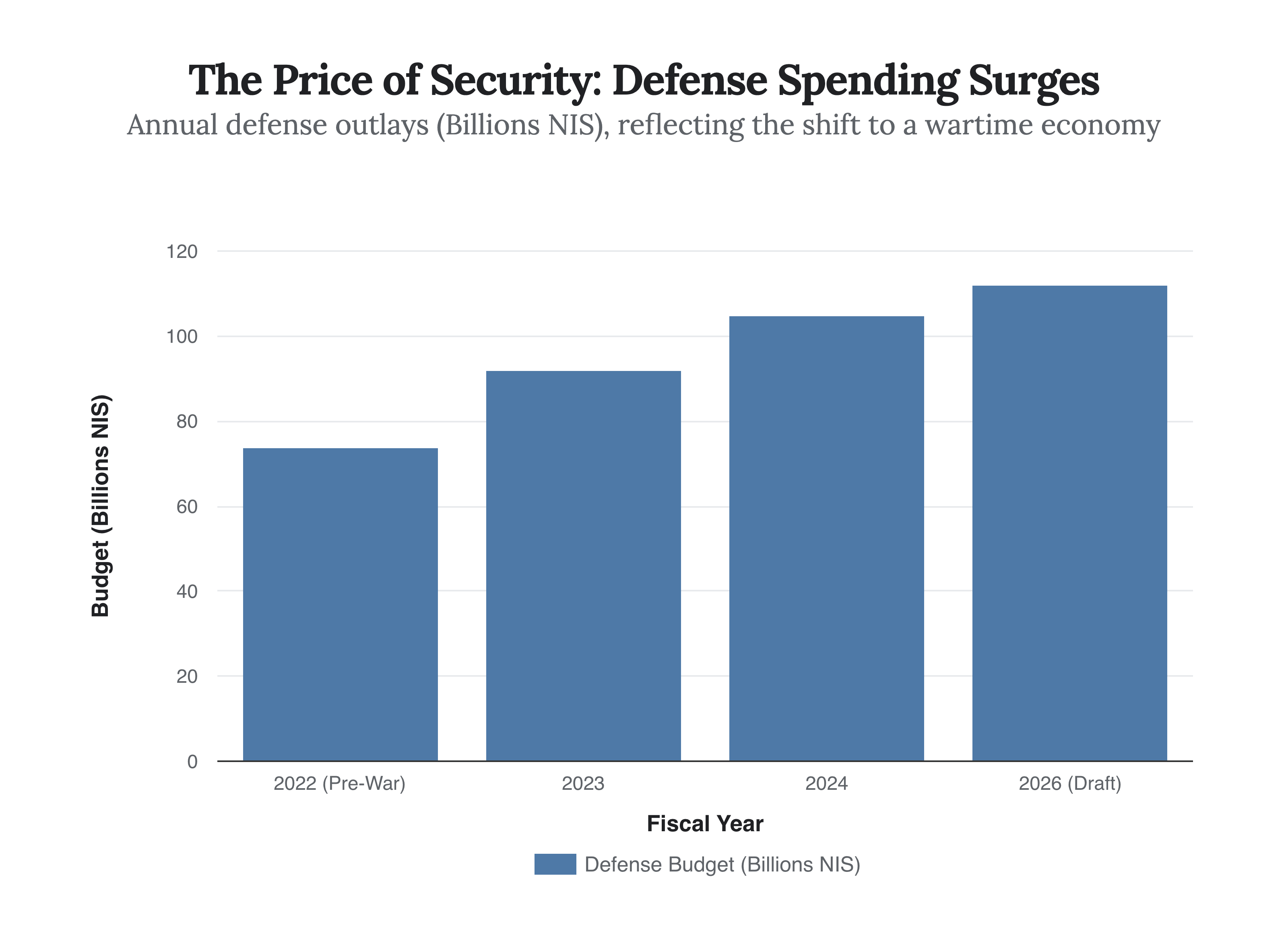
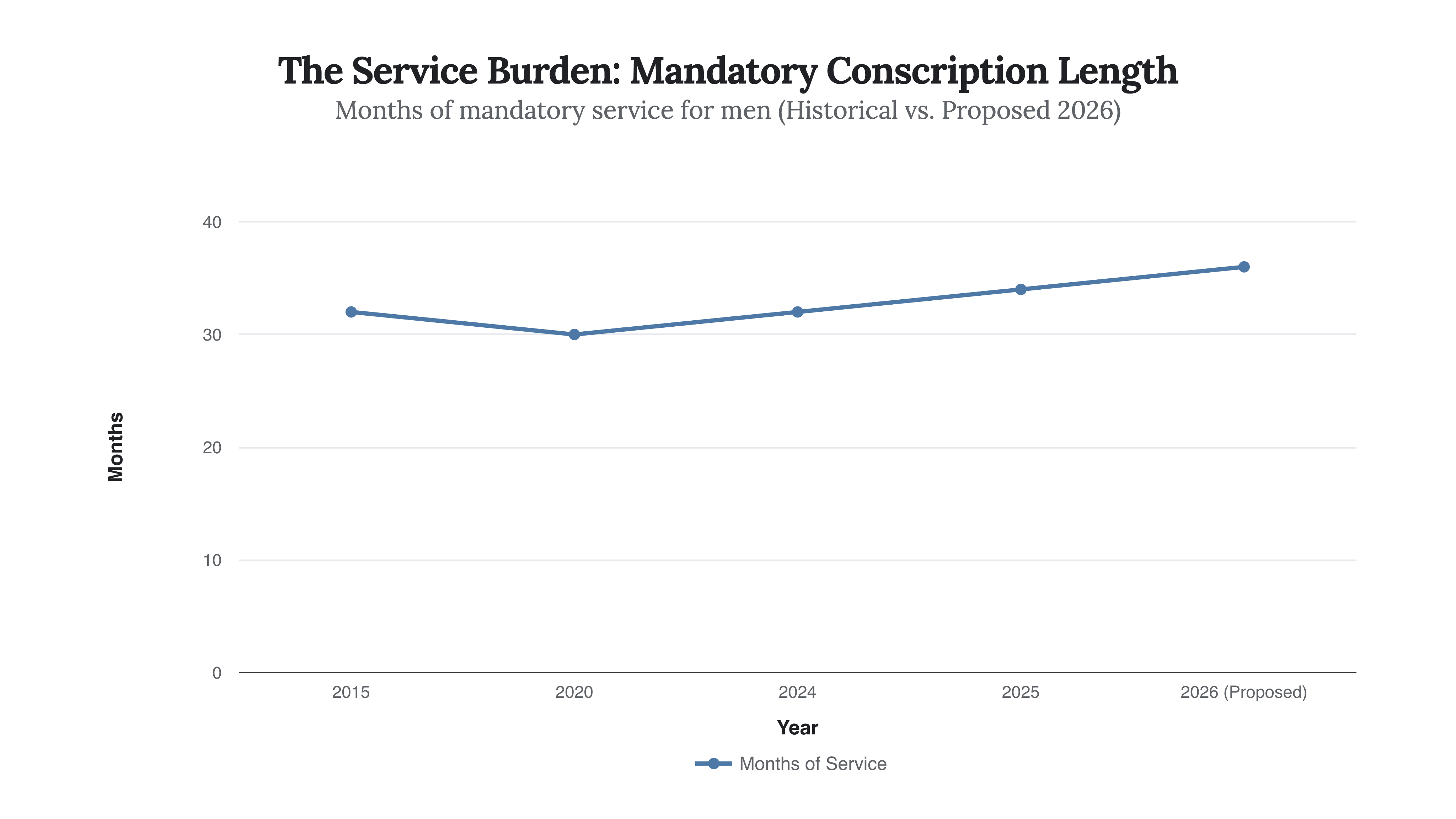
The chart above illustrates the dramatic escalation in security costs. The leap to 112 billion NIS represents not just a temporary spike, but the institutionalization of a war economy. This 51% increase from pre-war levels is squeezing every other sector. As the cabinet debated these figures, Gen. Zamir’s letter landed with a thud: the IDF is facing a “severe shortage of soldiers” threatening readiness as early as next year. His demand? An immediate extension of compulsory service for men to 36 months.
“The shortage is not theoretical... it could cause real damage to the army’s readiness starting next year.” — IDF Chief of Staff Eyal Zamir, January 20, 2026
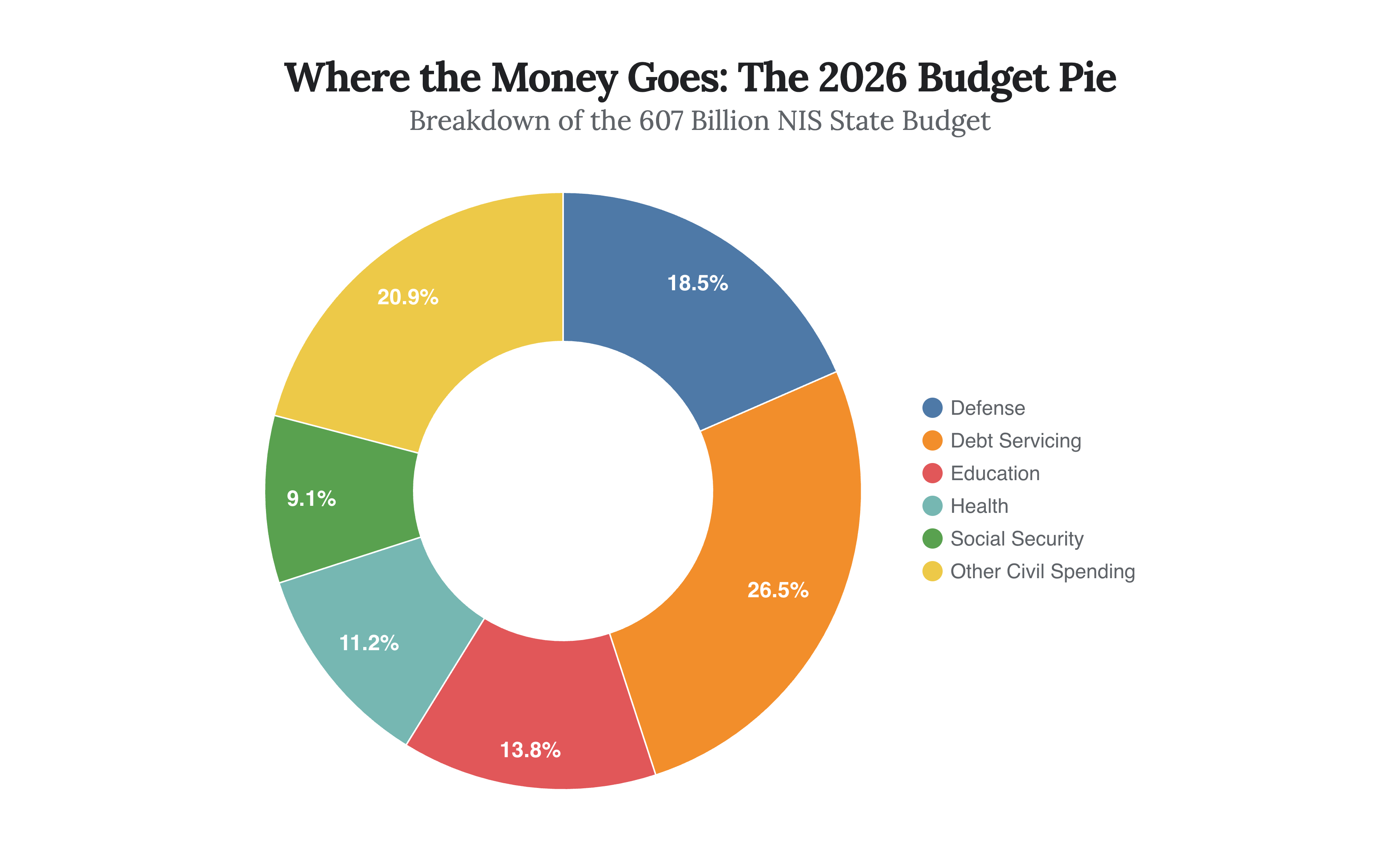
This manpower crisis complicates the financial one. The 2026 budget isn’t just buying weapons; it is paying for a much larger, exhausted standing army. With debt servicing now consuming a massive slice of the pie—projected at 161 billion NIS, significantly more than the defense budget itself—the government has little room to maneuver. The “civilian” economy is being crowded out by the twin giants of Debt and Defense.
Beyond the ledger, the cabinet is grappling with a new diplomatic reality. Reports surfaced this week of a “Gaza Executive Board” proposed by the Trump White House, a body that would include representatives from Turkey and Qatar—nations Netanyahu has viewed with deep suspicion. The inclusion of these actors in the post-war management of Gaza has sparked fierce debate within the security cabinet, with National Security Minister Itamar Ben-Gvir reportedly clashing with military officials over the transition to any form of “civilian governance” that involves these foreign powers.
The friction is palpable. On Sunday, Netanyahu publicly objected to the board’s composition, stating it “contradicts Israel’s policy.” Yet, with the U.S. administration pushing for a regional solution, Israel’s leverage may be limited by its reliance on American munitions—and credit. The following chart tracks the growing burden of mandatory service, a direct metric of the war’s toll on Israeli society.
As the cabinet meeting concluded, the message to the public was one of “global power” and resilience. Netanyahu told National Defense College trainees on Tuesday that Israel is becoming a “regional power, and in some aspects, a global power.” However, the data suggests a nation stretching its resources to the absolute limit. The 112 billion NIS defense bill is not a sign of infinite strength, but a price tag on survival in a transformed Middle East.