


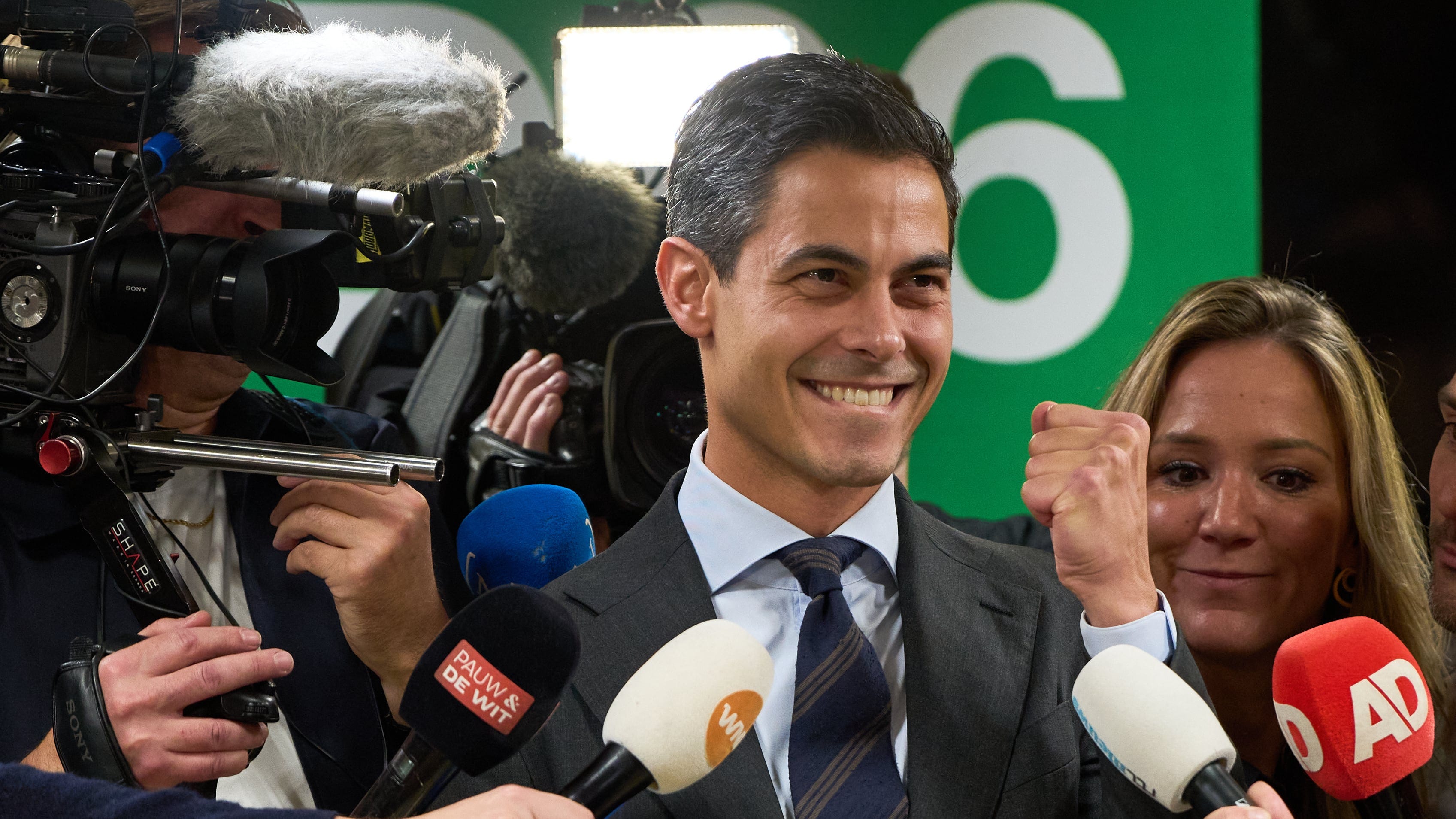
In a political drama that has captivated the Netherlands and sent ripples across Europe, the centrist-liberal D66 party, led by 38-year-old Rob Jetten, has engineered one of the most significant comebacks in recent Dutch history. The snap general election on October 29, 2025, resulted in a virtual dead heat between Jetten’s pro-European progressives and the far-right, anti-immigration Party for Freedom (PVV) of Geert Wilders. With nearly all votes counted, both parties are projected to secure 26 seats in the 150-seat parliament, a dramatic turnaround from the PVV’s shocking first-place finish in 2023 and a powerful rebuke to its short-lived government which collapsed earlier this year.
The result positions Jetten, who could become the country’s youngest-ever prime minister, to lead the complex coalition talks that will define the nation’s path forward. The election was widely seen as a referendum on the polarizing, hardline approach of the previous government. Voters, seemingly fatigued by what many perceived as chaos, have swung back toward the political center.
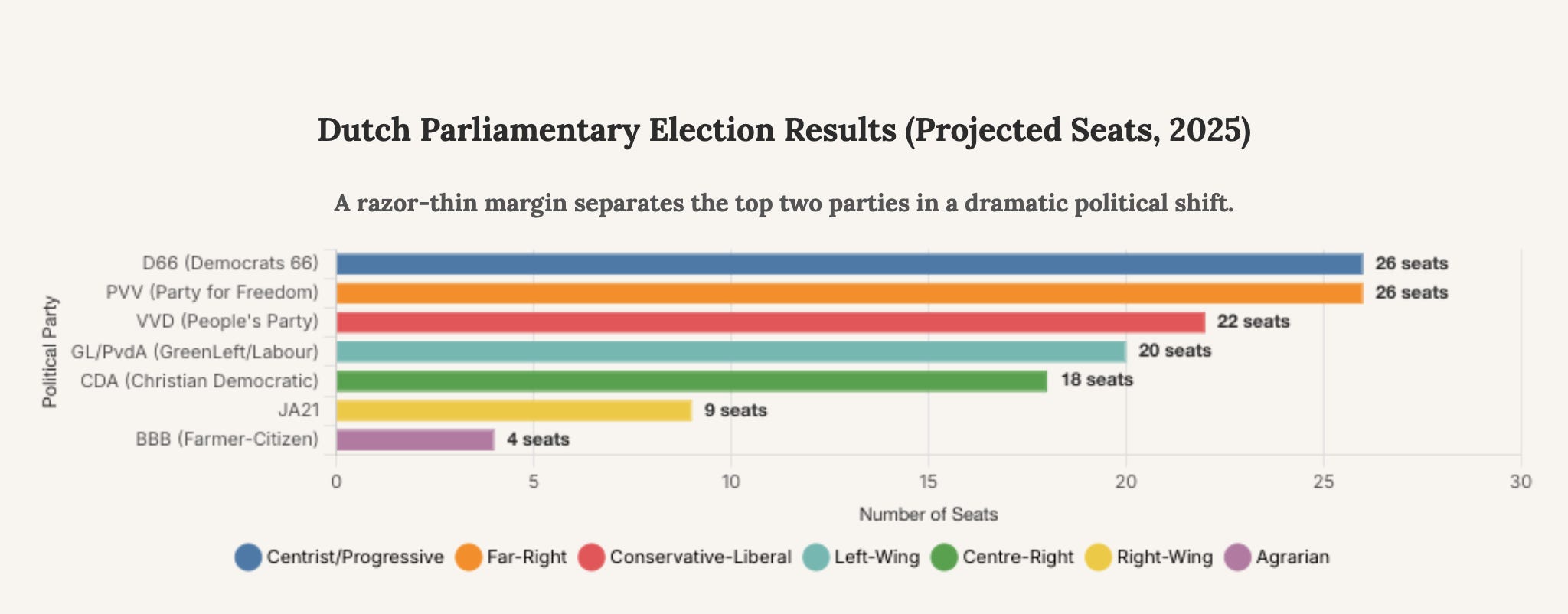
The chart above illustrates the knife-edge outcome of the 2025 election. While the PVV and D66 are tied for the lead, the critical difference is political arithmetic. Mainstream parties across the spectrum have ruled out forming a coalition with Wilders, leaving him with a clear plurality of seats but no viable path to power. This reality thrusts Rob Jetten into the driver’s seat, with his most likely path to a majority involving a broad centrist coalition with parties like the conservative VVD, the GreenLeft-Labour alliance, and the Christian Democrats.
“We’ve shown not only to the Netherlands but also to the world that it is possible to beat populist and extreme-right movements.”
Jetten’s success was powered by a campaign that stood in stark contrast to his rivals, running on a platform of civility, European cooperation, and a focus on domestic issues like the housing crisis. His slogan, “Het kan wel” (“It is possible”), echoed the optimism of Barack Obama’s 2008 campaign and appeared to resonate with an electorate seeking stability. This positive messaging, combined with a polished and ruthless performance in the final televised debates, helped D66 nearly triple its parliamentary seats from a dismal showing just two years ago.
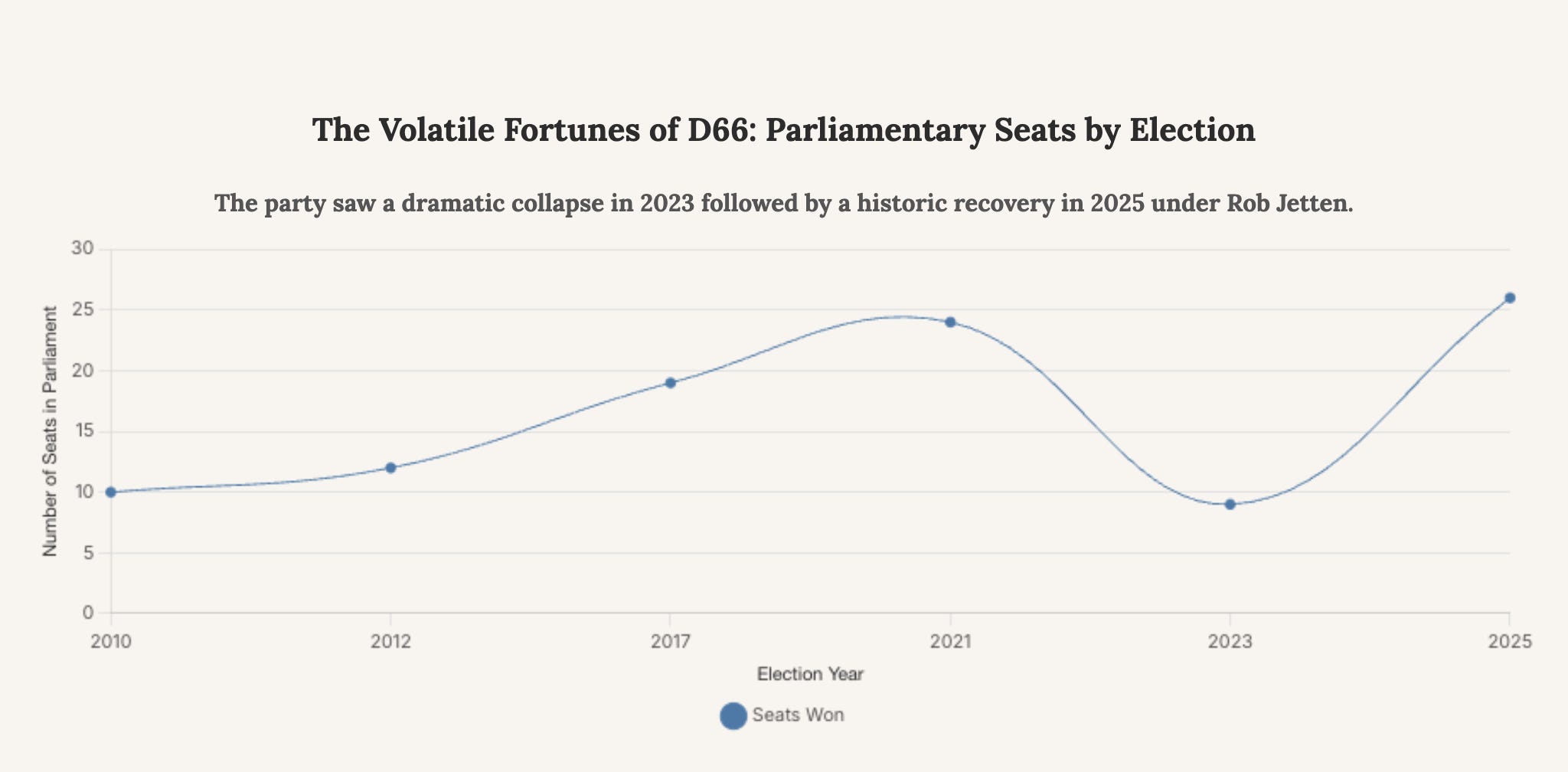
The historical data paints a clear picture of D66’s rollercoaster journey. After reaching a high of 24 seats in 2021, the party crashed to just 9 in 2023, its worst result in 17 years. The 2025 result under Jetten is not just a recovery; it is the party’s best performance in its history, a stunning reversal that has reshaped the Dutch political landscape. Jetten took leadership of the party in August 2023, inheriting a movement at its nadir and leading it back to national prominence in just over two years.
“Millions of Dutch people have turned a page and said goodbye to the politics of negativity. They’ve chosen positive forces and a politics that will allow us to look ahead.”
The road ahead for Jetten will not be simple. Forging a stable, multi-party coalition is the norm in the Netherlands, and negotiations are often protracted, sometimes lasting for months. He must bridge ideological divides between potential partners on the center-right and center-left to form a government with the 76 seats required for a majority. Yet, the election’s outcome represents a clear shift. After a brief, tumultuous experiment with far-right leadership, Dutch voters have pivoted back to the center, choosing a message of possibility over polarization. The key insight from this election is that a positive, forward-looking centrist campaign can successfully counter the momentum of far-right populism, even in a deeply fractured political climate.