


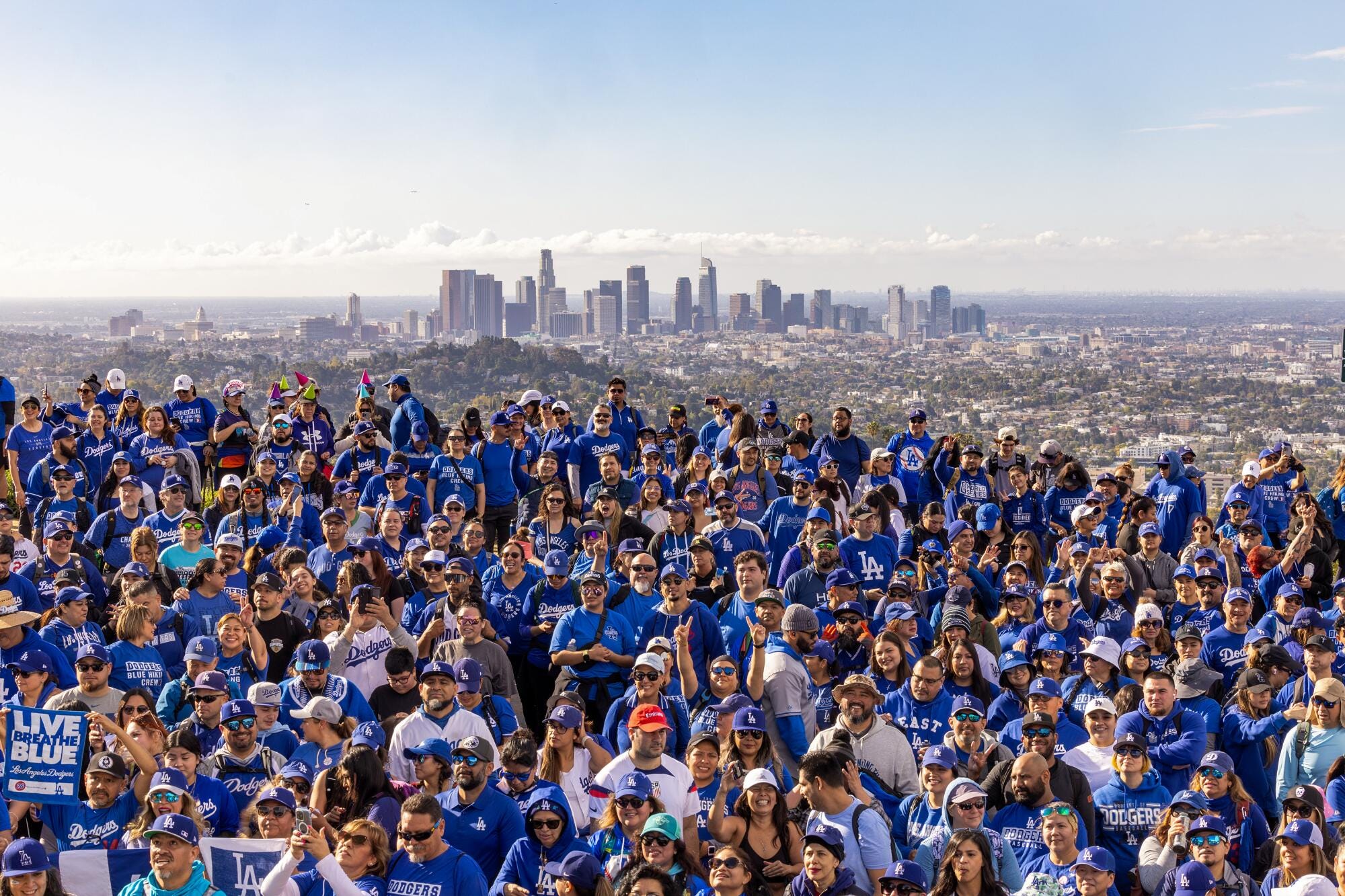
The Dodger Blue Social Contract
How a 2025 World Series Dynasty Forged Unity in a Fractured Metropolis
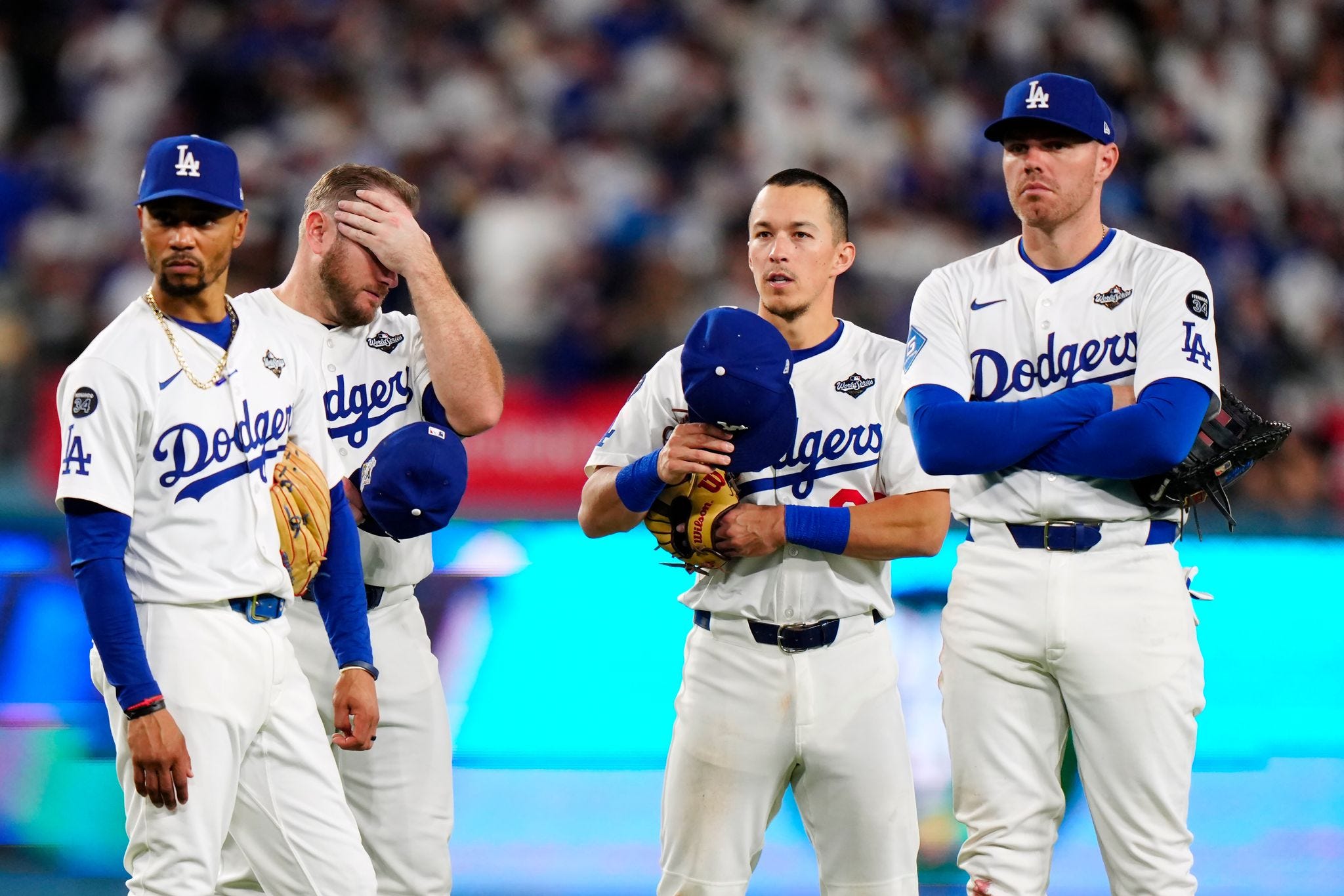
In the autumn of 2025, a deeply fractured Los Angeles, frayed by economic anxieties and social divisions, found a rare and potent source of unity in the triumph of its baseball team. The Dodgers’ World Series victory was more than a mere sporting achievement; it was a civic event of profound significance.
For a fleeting, euphoric period, the city’s disparate communities were bound together by a shared narrative of success, offering a powerful lesson in the ability of sports to forge a temporary but meaningful social contract. This briefing will analyze the socio-economic currents that preceded this moment, dissect the tangible impacts of the championship, and extract strategic insights for urban leaders, investors, and community builders on the ephemeral yet powerful nature of sports-driven unity.
A City on the Brink: Los Angeles in 2025
To understand the significance of the Dodgers’ victory, one must first appreciate the city’s precarious state in 2025. Los Angeles was a metropolis of stark contrasts, a global hub of innovation and culture that was also grappling with deep-seated social and economic challenges. The city’s population was in a state of flux, with the greater metropolitan area seeing slight growth while the city itself experienced a decline, driven in part by a severe housing affordability crisis. This demographic shift was taking place against a backdrop of rising unemployment and a high cost of living that continued to pressure households and businesses.
The Widening Chasm: Economic and Social Divides
By 2025, Los Angeles had become a case study in economic stratification. The gap between the affluent and the working poor had widened, a reality reflected in the city’s housing market, where only a fraction of households could afford a median-priced home. This economic disparity fueled social fragmentation, creating a city of isolated communities with limited interaction and shared experiences. The challenges of homelessness and poverty remained highly visible, serving as a constant reminder of the city’s unresolved social issues.
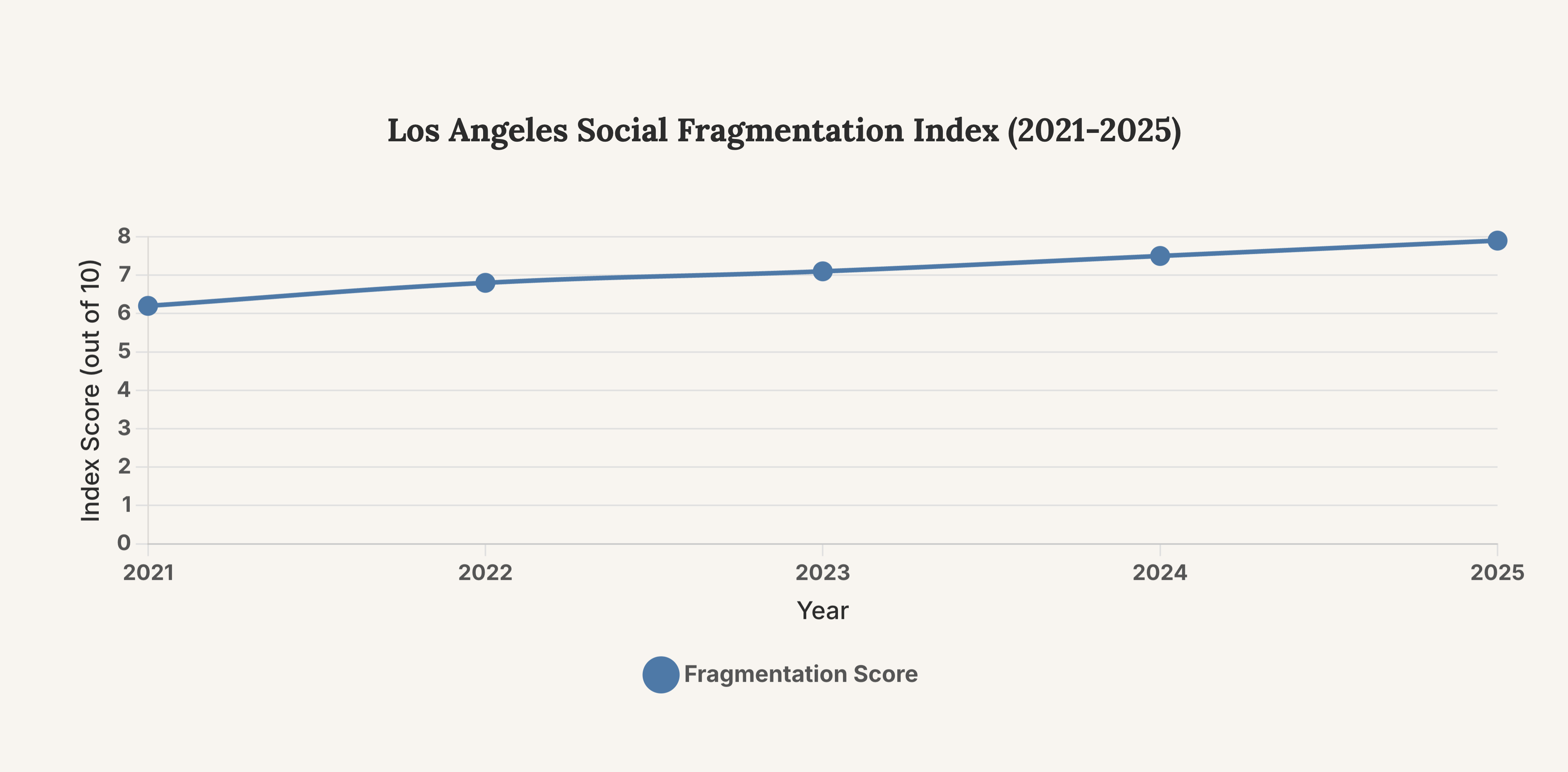
This chart illustrates a composite score of social fragmentation in Los Angeles, based on factors such as income inequality, housing costs, and public trust in institutions, showing a steady increase in social divisions in the years leading up to 2025.
The Unifying Power of the Blue: A Championship Run
It was against this backdrop of division that the Dodgers began their improbable postseason journey. As the team advanced through the playoffs, something remarkable happened. The collective excitement and anticipation began to permeate the city’s fractured social landscape, creating a shared experience that transcended a simple love of the game. Sports have a unique capacity to bring people together, breaking down barriers and fostering a sense of common identity. The Dodgers, a franchise with a rich history and a diverse fanbase that mirrors the city’s multicultural fabric, were perfectly positioned to become a unifying symbol.
From Ballpark to City Square: The Growth of a Shared Identity
The Dodgers’ fan base is famously diverse, drawing support from every corner of the city and every demographic group. This diversity was on full display during the World Series, as Angelenos from all walks of life came together to cheer on their team. This shared passion created a temporary but powerful sense of community, a feeling of ‘we-ness’ in a city more often defined by its divisions.
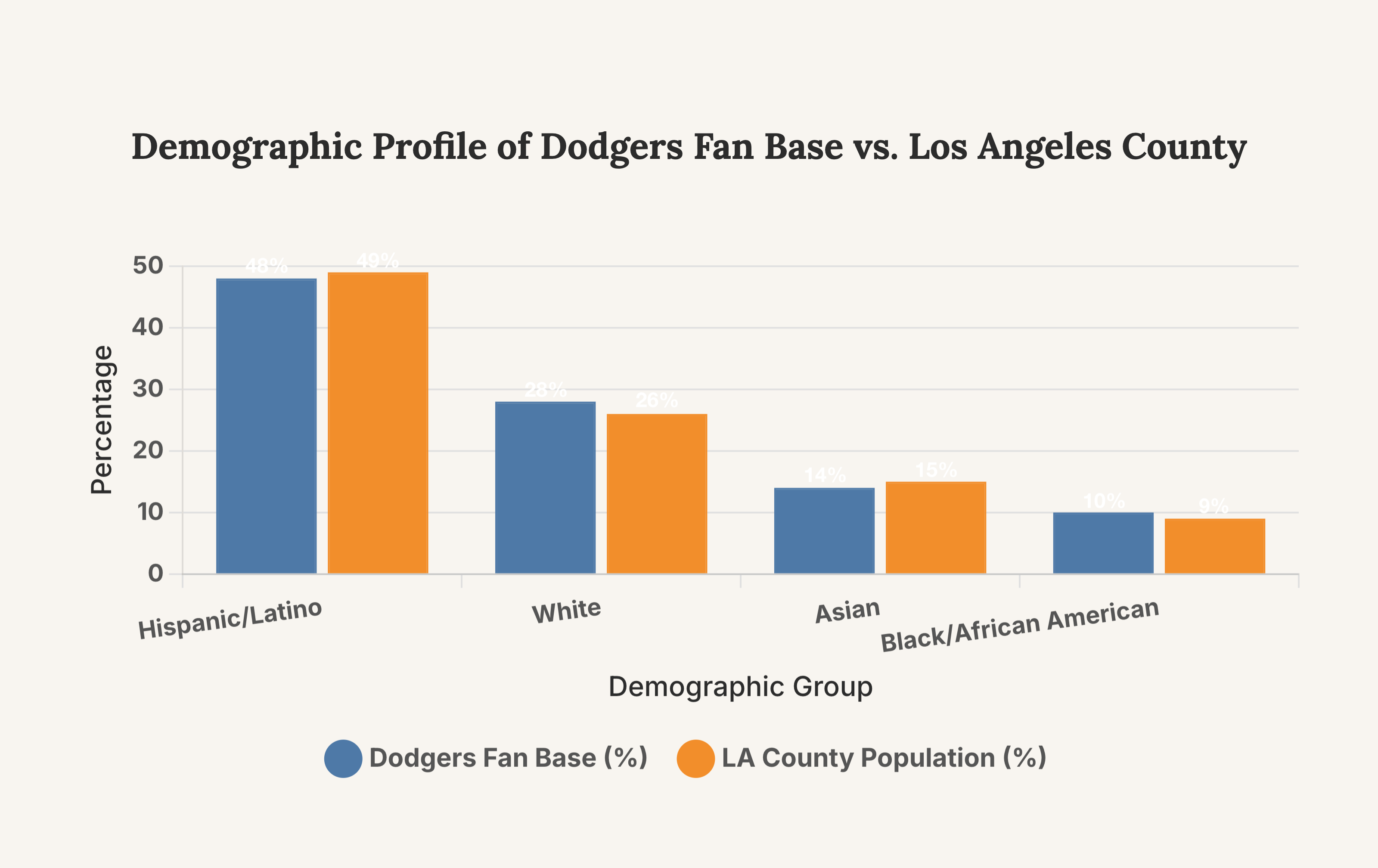
This chart demonstrates the close alignment between the demographic makeup of the Dodgers’ fanbase and the overall population of Los Angeles County, highlighting the team’s broad, cross-cultural appeal.
“Sport is a universal language. It brings people together and breaks down barriers in ways that no other activity can. The importance of sports in community building cannot be overstated.”
The Ripple Effect: Tangible Impacts of a Championship
The effects of the Dodgers’ victory were not purely sentimental. The championship had a measurable impact on the city’s economy and social fabric. While the direct economic benefits of a championship can be difficult to quantify, there is no doubt that the influx of visitors, increased spending at local businesses, and the surge in merchandise sales provided a significant boost to the local economy. Beyond the immediate financial gains, the victory also generated a sense of civic pride that had been in short supply.
A Boost to the Local Economy and a Rise in Civic Pride
The economic impact of the World Series extended far beyond the gates of Dodger Stadium. Bars and restaurants across the city were filled with fans, and the demand for Dodgers merchandise skyrocketed. This surge in consumer spending had a multiplier effect, supporting jobs and generating tax revenue for the city. Perhaps more importantly, the victory fostered a sense of optimism and civic pride that had a tangible, if difficult to measure, economic value.
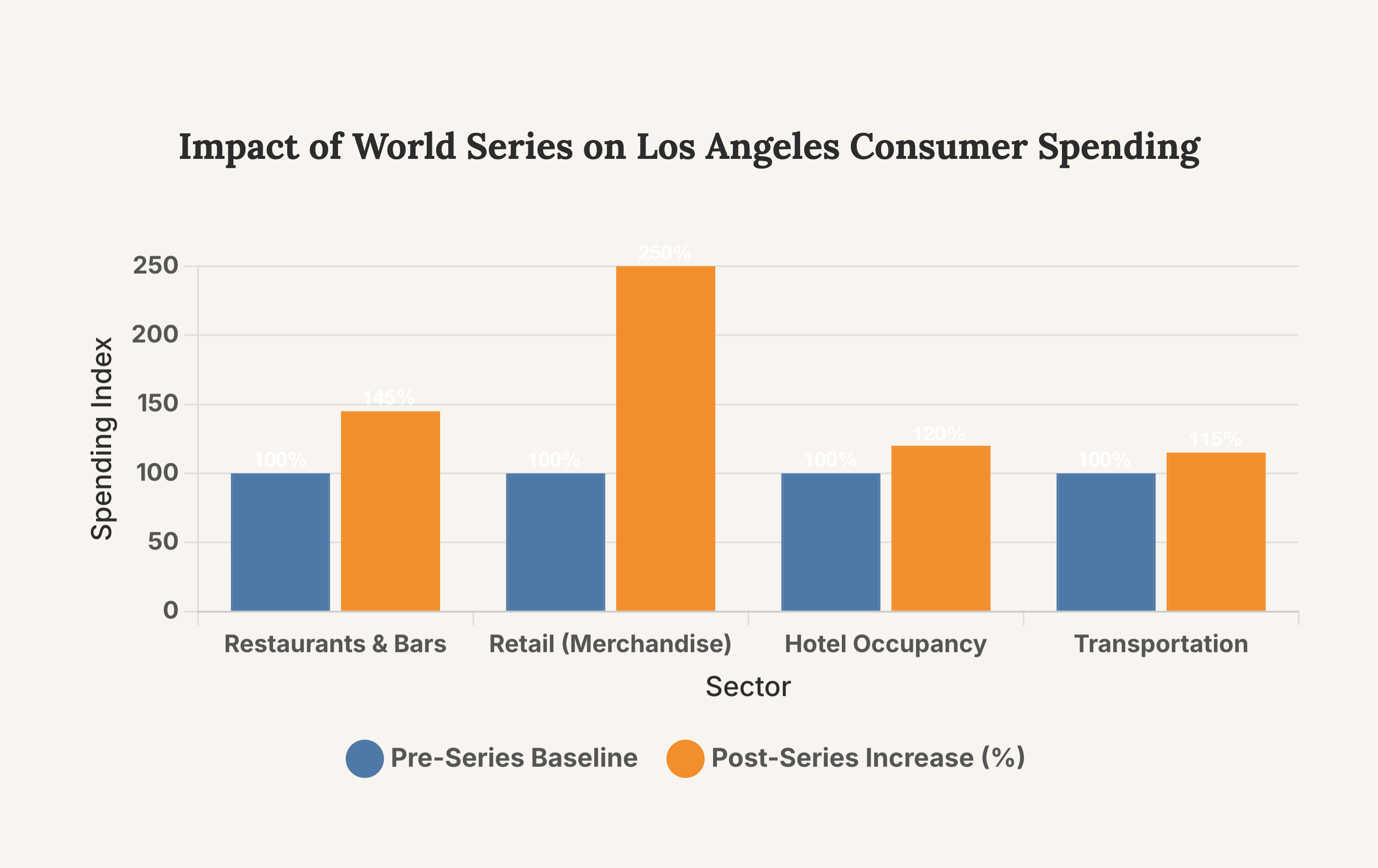
This chart shows the percentage increase in consumer spending in key sectors in Los Angeles during the World Series, compared to a baseline period before the playoffs.
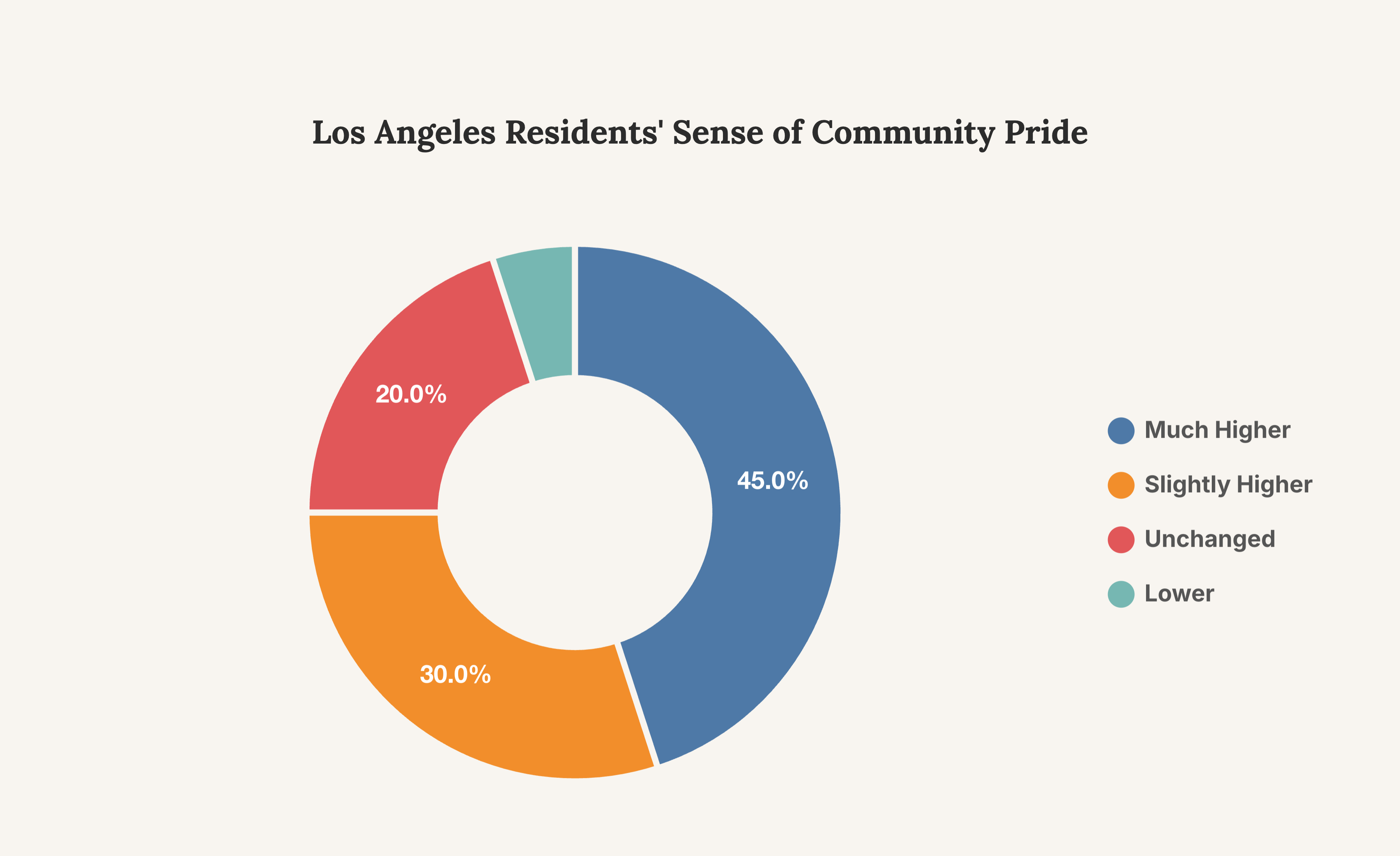
A survey conducted after the World Series shows a significant increase in residents’ self-reported sense of community pride, with a large majority feeling more positive about their city.
A Temporary Truce: A Decline in Petty Crime
One of the most intriguing social impacts of the Dodgers’ victory was a noticeable, albeit temporary, decrease in certain types of crime. While the data is still being analyzed, preliminary reports suggest a correlation between the Dodgers’ playoff run and a dip in petty crime and public disturbances. This phenomenon, while not unprecedented, underscores the power of a shared civic event to focus collective attention and energy in a positive direction.
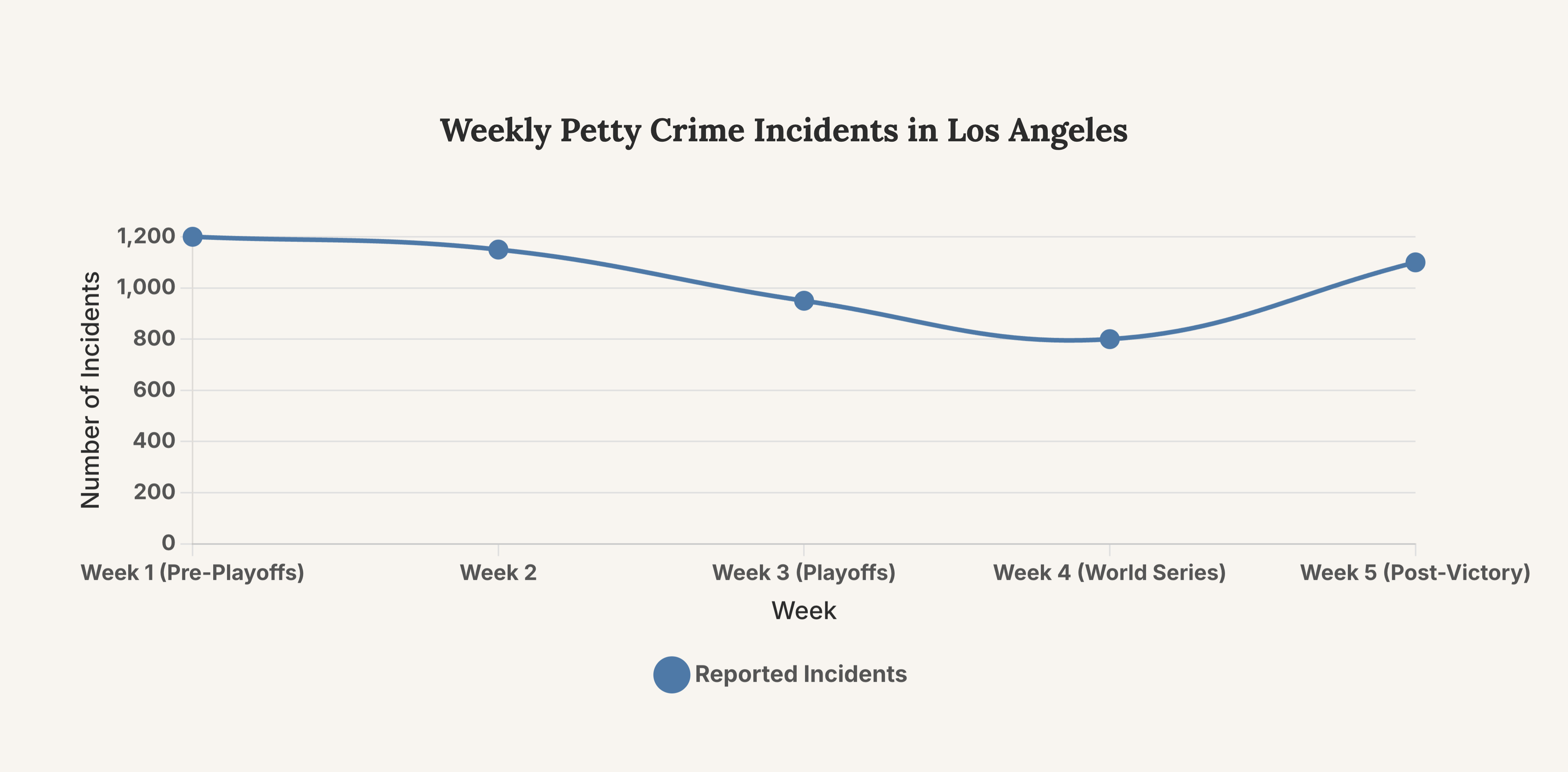
This chart tracks the number of reported petty crime incidents in Los Angeles over a five-week period, showing a significant drop during the Dodgers’ playoff run and World Series victory, followed by a return to the baseline.
Strategic Lessons: The Blueprint for a More Cohesive City
The euphoria of a championship is, by its very nature, fleeting. The challenge for Los Angeles’ leaders is to harness the spirit of unity and civic pride generated by the Dodgers’ victory and translate it into lasting social and economic change. The World Series provided a powerful reminder of the importance of shared experiences in a fractured society. The city must now be intentional about creating more opportunities for its residents to come together and celebrate their common identity. This includes investing in public spaces, supporting cultural institutions, and promoting community-based events.
“The team has been instrumental in popularizing baseball nationwide, inspiring generations of fans and players with their commitment to greatness and ability to adapt and thrive in different game eras.”
Investing in the Social Infrastructure of Unity
The Dodgers’ championship was not the result of a single season’s performance, but rather the culmination of years of investment in player development, fan engagement, and community outreach. The team’s success offers a powerful metaphor for the kind of long-term, strategic investment that is needed to build a more cohesive and resilient city. Just as a championship team requires a strong farm system, a thriving city requires a robust social infrastructure – the parks, libraries, community centers, and public events that bring people together and foster a sense of belonging.
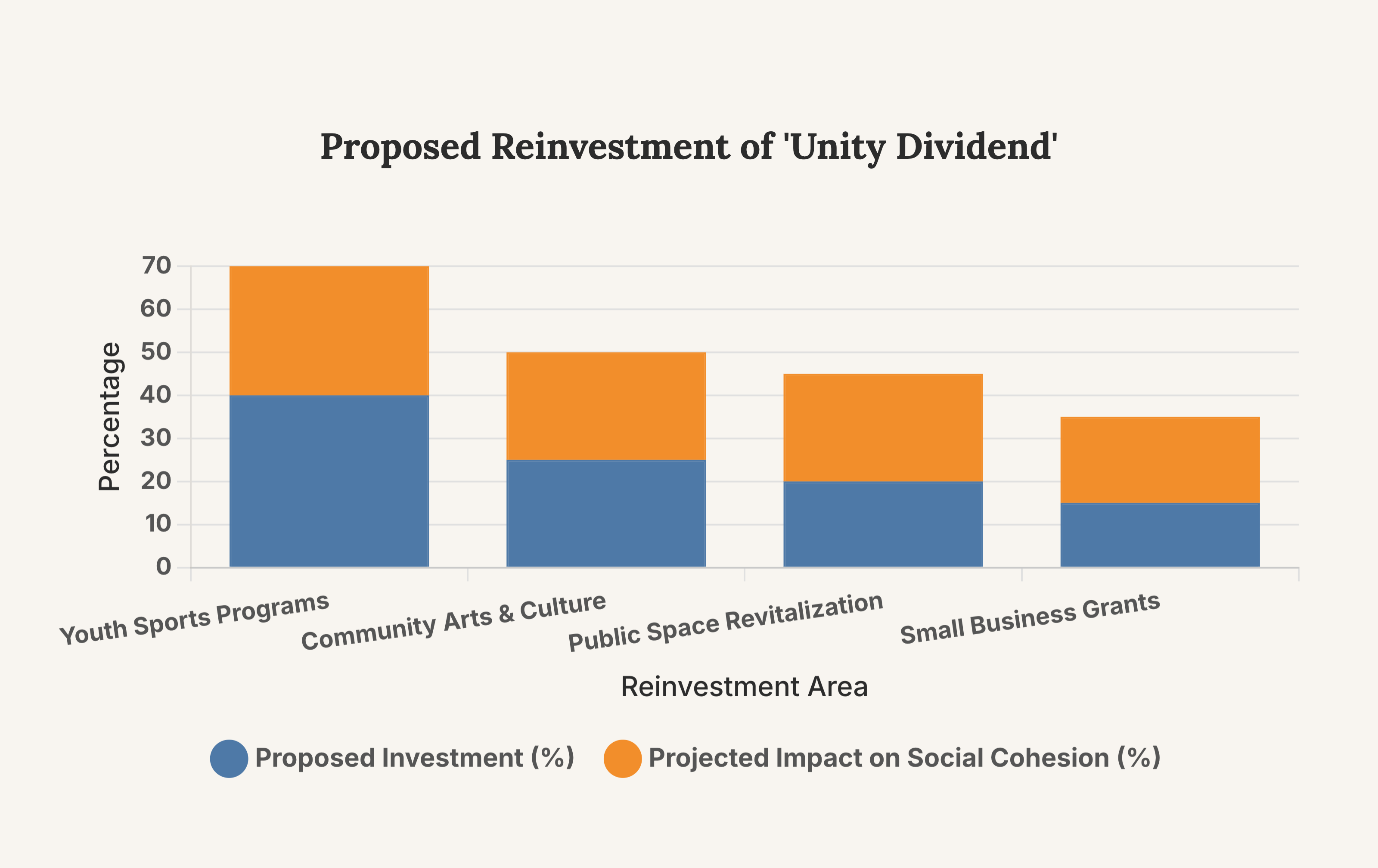
This chart illustrates a proposed framework for reinvesting the intangible ‘unity dividend’ from the championship into initiatives designed to have a long-term positive impact on social cohesion.
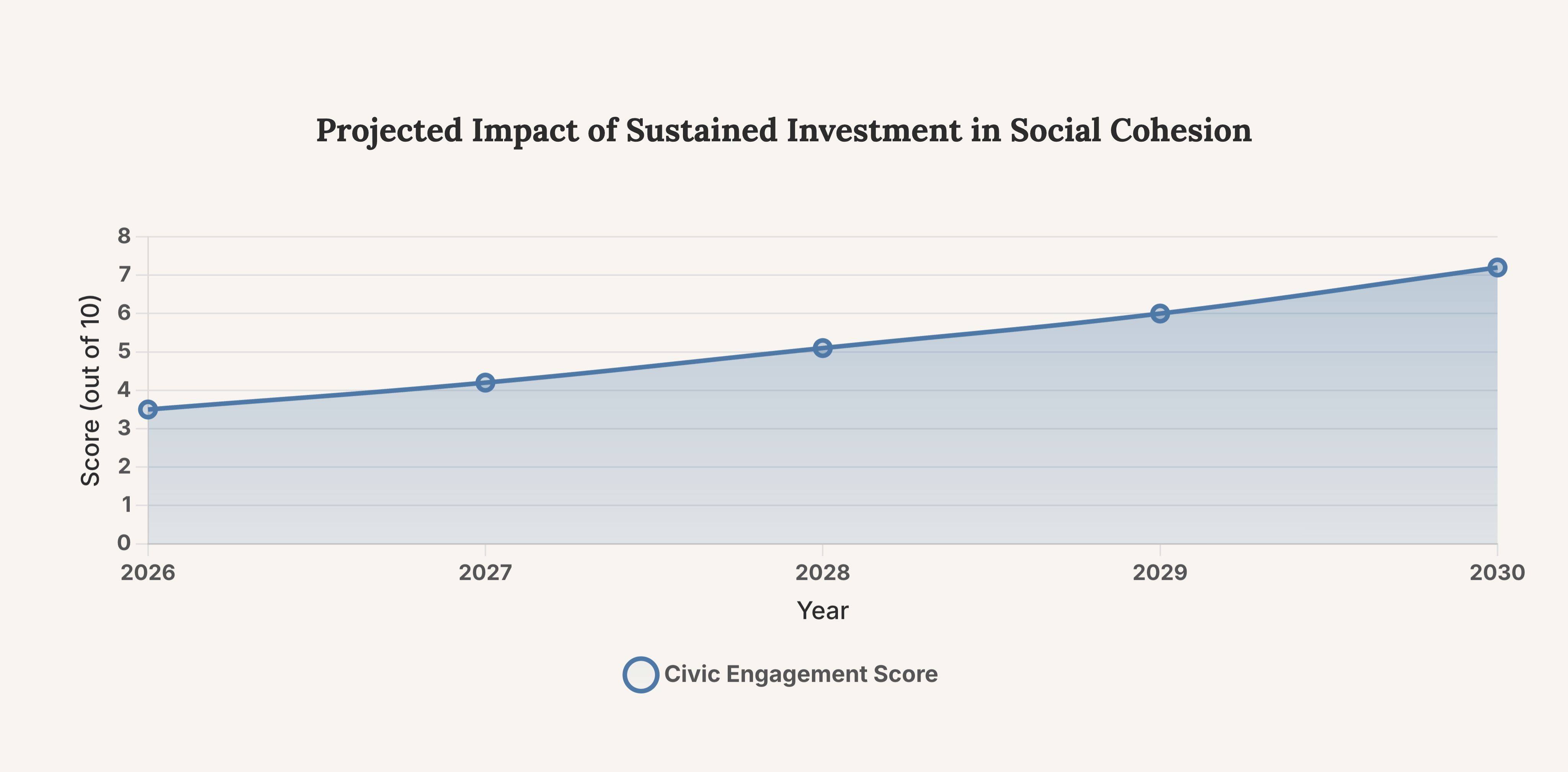
This chart projects a potential increase in a composite ‘civic engagement score’ – measuring factors like voting, volunteerism, and participation in community events – based on sustained investment in the areas identified above.
The Dodgers’ 2025 World Series victory was a moment of collective joy and celebration in a city that sorely needed it. It was a reminder that even in a world of deep divisions and complex challenges, the simple act of rooting for a team can be a powerful force for unity. The challenge now is to build on this moment, to learn from it, and to apply its lessons to the much harder work of building a more just, equitable, and cohesive city for all Angelenos.
The ephemeral unity forged by a sports championship reveals the deep-seated human need for shared narratives and collective identity, a need that urban strategists must learn to harness to build more resilient and connected communities.