


Executive Synthesis: The Great Bifurcation
We are no longer operating in a single global market. The events of the last 72 hours—culminating in the January 22, 2026, synchronized disruptions across finance, diplomacy, and technology—confirm the arrival of a structural “Institutional Hard Fork.” The post-1945 consensus of universal systems (the UN, SWIFT-centric banking, the open internet) has not just fractured; it has been successfully cloned and competed against.
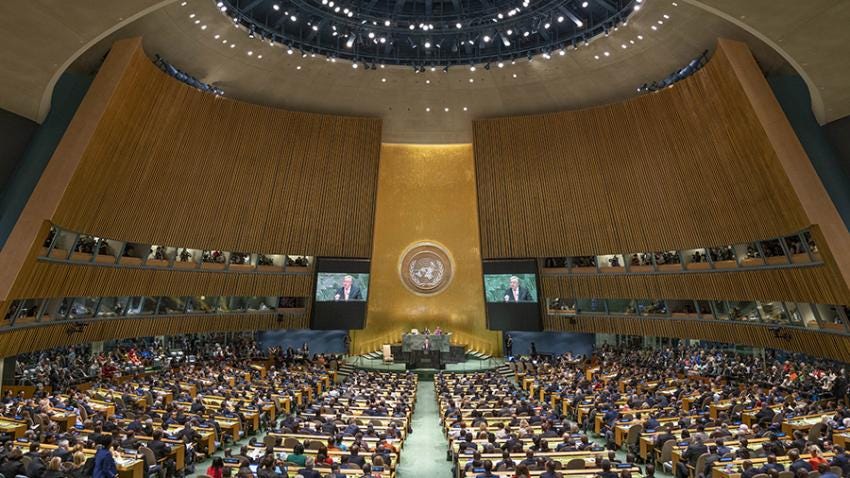
President Trump’s inauguration of the “Board of Peace” in Davos is not merely a diplomatic theatric; it is a direct liquidity competitor to the United Nations, explicitly financializing geopolitical security. Simultaneously, the finalization of the TikTok US joint venture (Project Texas II) establishes the precedent for the “Splinternet”—where corporate ownership structures must mirror sovereign borders. In the capital markets, the $5 billion lawsuit against JPMorgan Chase by the sitting President, juxtaposed with Jamie Dimon’s record compensation package, signals the end of the “neutral technocrat” era. Banking access is now a distinct political risk vector.
For investors, the macro-thesis is Sovereign Parallelism. Value is shifting from entities that rely on global interoperability (old globalization) to entities that control “sovereign stacks”—localized, fortified, and politically aligned ecosystems. We advise overweighting assets that benefit from regulatory fragmentation and underweighting “universal utility” plays that are now in the crosshairs of the new sovereign enforcement.
