



We have entered the age of the “Friction Economy.” For three decades, the prevailing market thesis relied on the frictionless movement of capital, goods, and labor. That era ended this week. The convergence of hyper-localized disruptions—from the frozen tarmacs of Dallas-Fort Worth to the tear-gas-choked streets of Minneapolis—signals a structural repricing of sovereign risk. We are witnessing the simultaneous seizure of physical logistics and political consensus.
In Abu Dhabi, the Trump administration’s direct engagement in trilateral peace talks suggests a geopolitical hard reset is imminent, bypassing traditional multilateral frameworks. Meanwhile, the protectionist shock of a threatened 100% tariff on Canada has forced a leadership crisis in Ottawa, illustrating how quickly US policy can destabilize G7 partners. Amidst this chaos, the Unitree G1 robot demo offers a deflationary counter-narrative: while human labor becomes more expensive and volatile (see: Minneapolis), synthetic labor is collapsing in price. The smart money is no longer chasing growth; it is chasing sovereignty—the ability to operate independently of failing public infrastructure and fracturing social contracts.
Unitree G1: The Deflationary Hedge
Situation Analysis
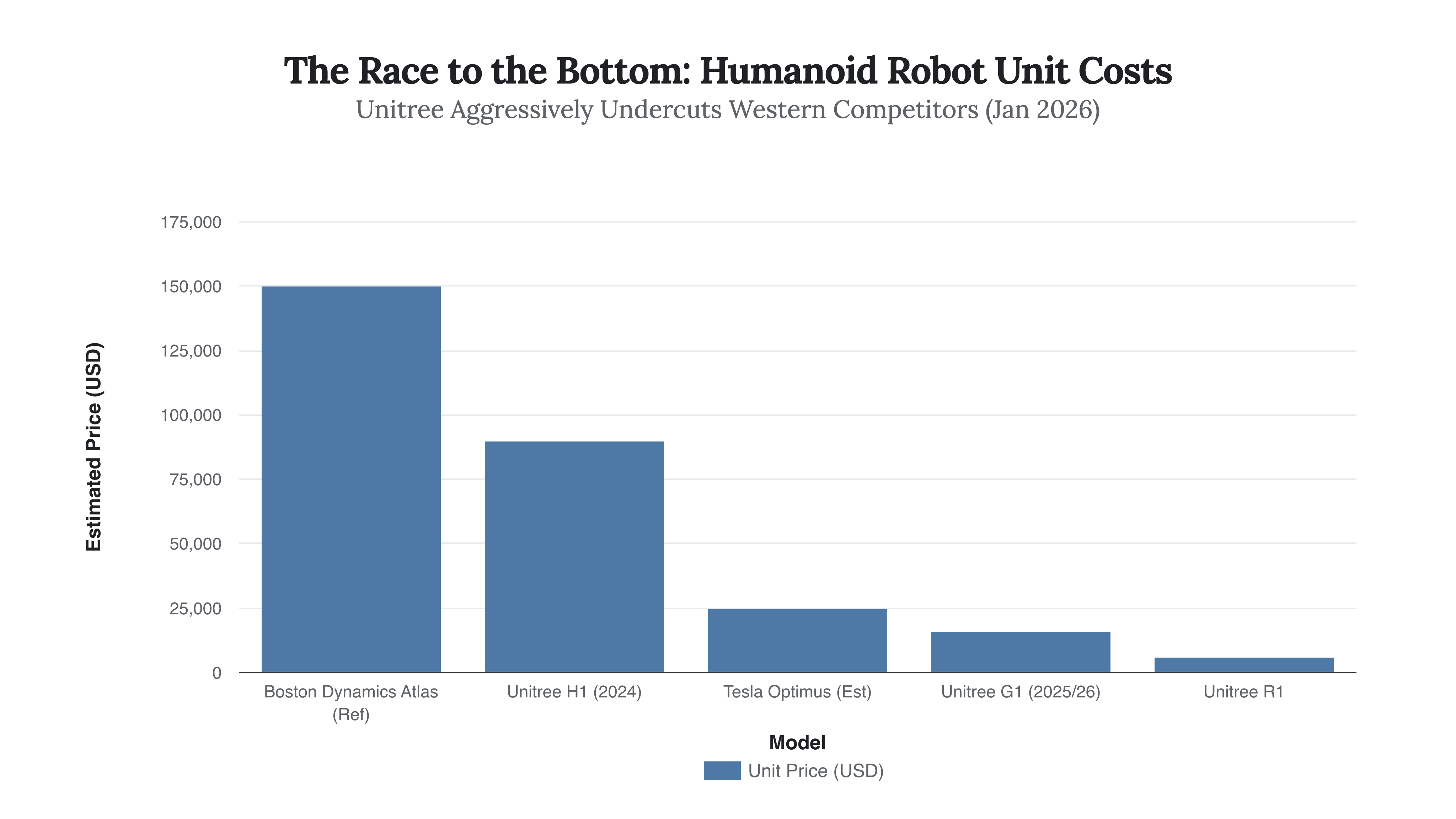
As of January 2025, the Unitree G1 humanoid robot has entered the market with a disruptive base price of $16,000, fundamentally undercutting western competitors. While Tesla’s Optimus remains in the $20,000–$30,000 projected range with production delays, Unitree has achieved mass production readiness. The G1, standing 127cm and weighing 35kg, features 23-43 joint motors and a 2-hour battery life, positioning it not just as a research tool but as a viable industrial laborer. The “Model T” moment for robotics is originating in Hangzhou, not Austin. This price point represents a 90% cost reduction compared to previous generation bipeds like the H1 ($90,000), signaling a commoditization curve that is outpacing Moore’s Law.
Strategic Deep Dive
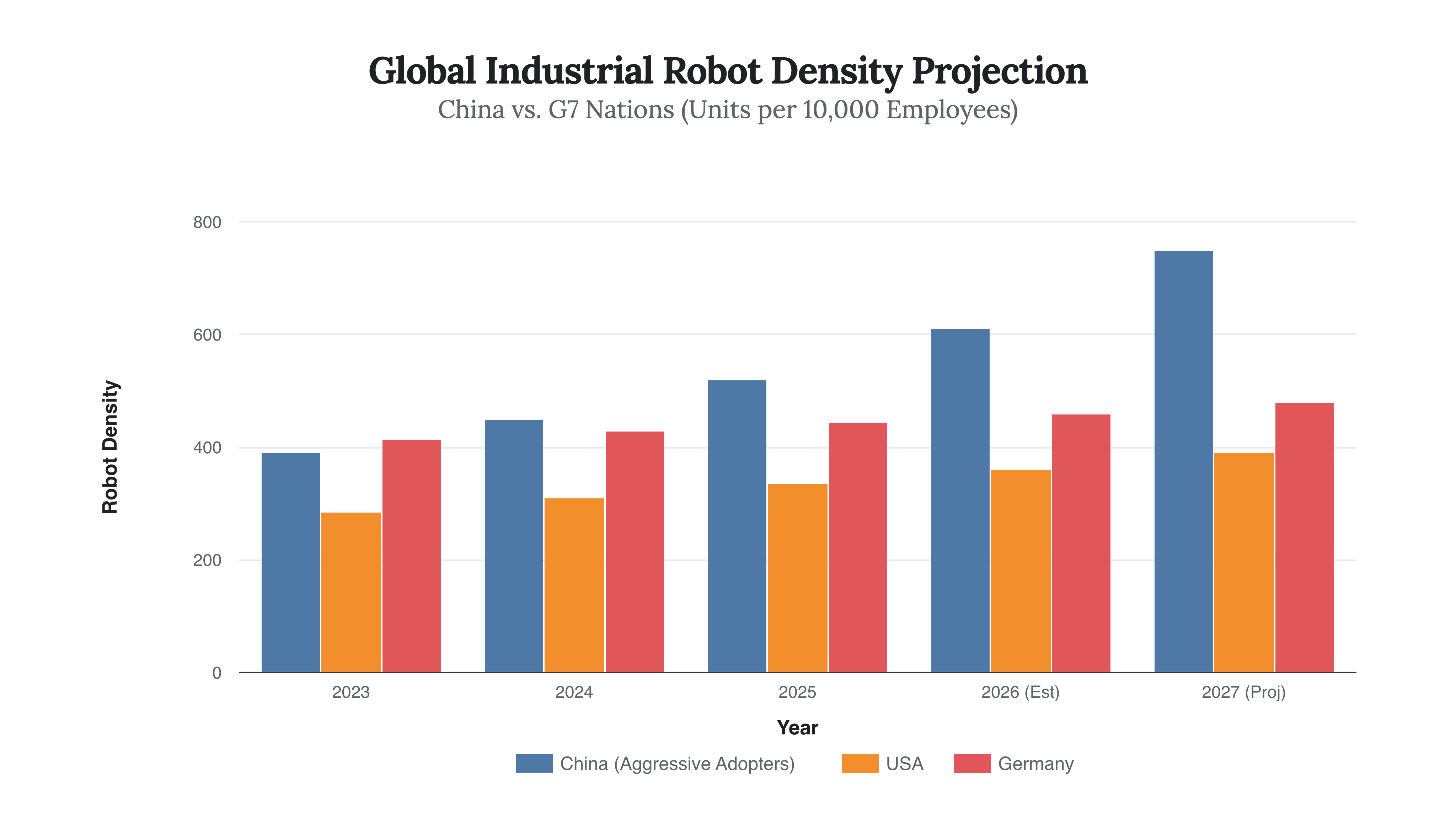
The strategic implication is not merely technological; it is a labor arbitrage play. China is effectively exporting deflation. By pricing the G1 at $16,000, Unitree is setting a ceiling on the value of unskilled human labor in manufacturing hubs. Institutional investors must recognize this as a hedge against the “human friction” seen in Minneapolis. As labor unrest and wage inflation spike in the West, the capital expenditure (CapEx) required to automate becomes negligible. The G1 does not need to be perfect; at this price, it only needs to be disposable. We are moving from a “Capability” phase (can the robot walk?) to a “Density” phase (how many robots per factory?).
Forecast & Implications
Expect a rapid bifurcation in the robotics market. Western firms will focus on “premium” intelligence and safety compliance, while Chinese firms will dominate “volume” deployment. By Q3 2026, we anticipate the first major logistics firm to announce a “lights-out” warehouse staffed entirely by sub-$20k humanoids, likely in a Special Economic Zone to bypass labor regulations. For investors, the play is not just the robot manufacturers, but the users—companies with high labor costs that can rapidly deploy this cheap automation will see margin expansion that the market has not yet priced in.
Trump-Canada Tariff Shock
Situation Analysis
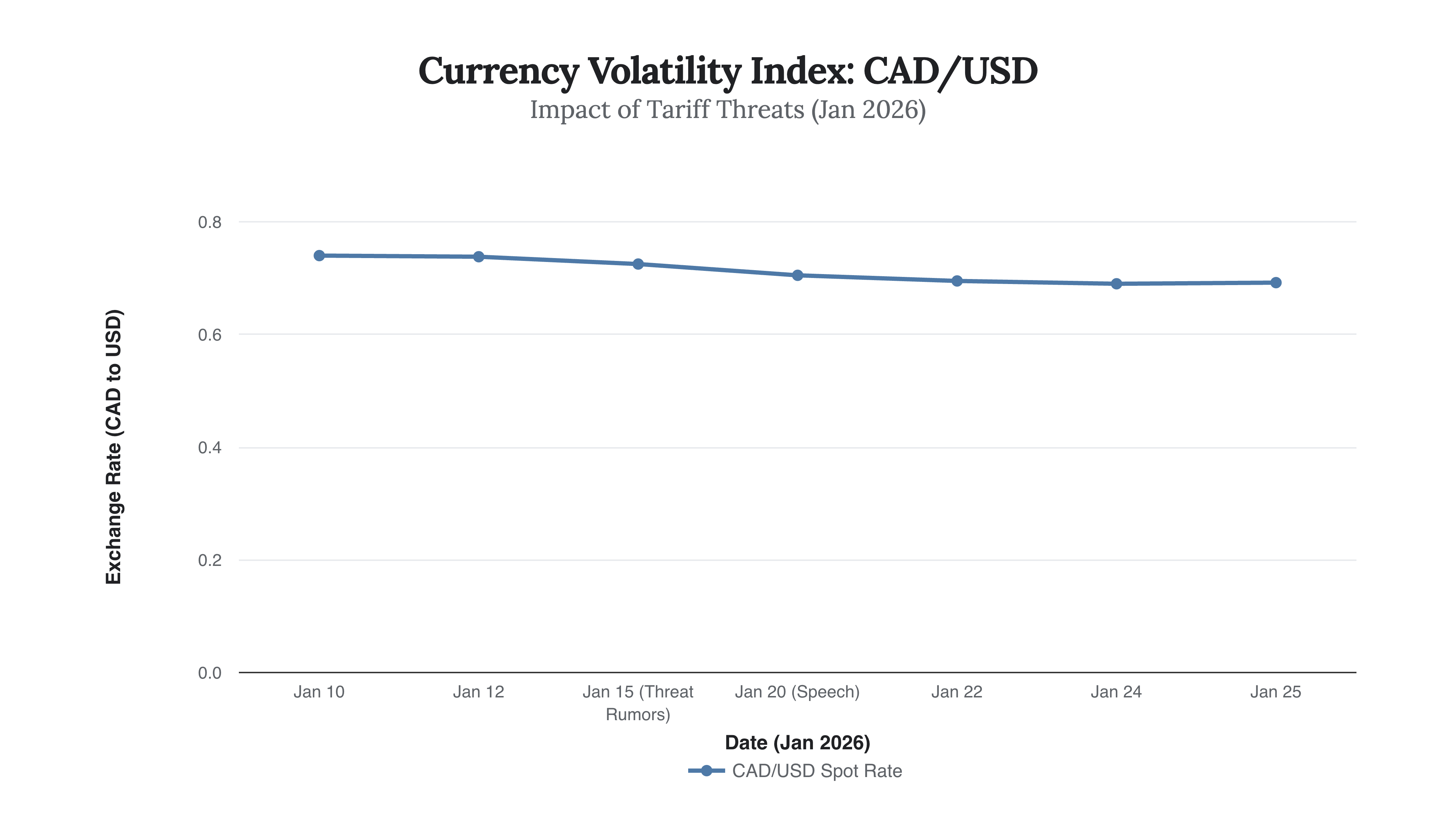
The trading relationship between the US and Canada faces an existential stress test. Following President Trump’s threat of a 100% tariff on Canadian goods, citing border security and fentanyl flows, the political fallout in Ottawa has been immediate. As of late January 2026, markets are reacting to the instability, with the Canadian Dollar (CAD) experiencing significant volatility. The threat is not merely rhetoric; it is a negotiation tactic designed to force total alignment on US border policy. The emergence of Mark Carney in Canadian leadership circles (noted in recent intelligence reports) suggests a technocratic attempt to salvage the trade relationship, but the damage to business confidence is severe.
Strategic Deep Dive
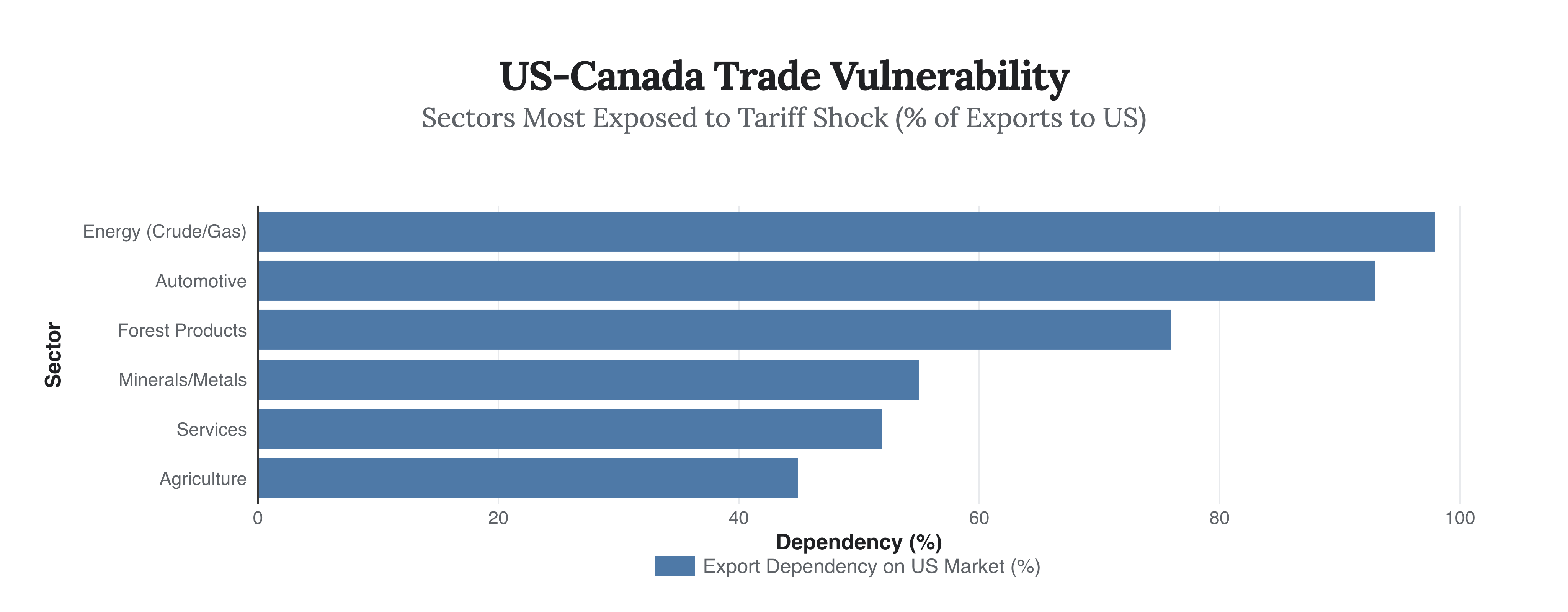
This is the weaponization of economic interdependence. The USMCA (US-Mexico-Canada Agreement) is effectively being renegotiated in real-time via executive threat. The “100% tariff” number is likely a negotiation anchor, but it signals that the US views trade policy solely through the lens of national security (specifically, narcotics and migration control). Canada is in a “geopolitical trap”: its economy is structurally long the US consumer, but its political leadership is ideologically short Trumpism. The risk here is not just trade volume, but regulatory sovereignty. To avoid the tariffs, Ottawa may have to cede control over its own immigration and port security policies to DHS oversight.
Forecast & Implications
We predict a short-term “capitulation deal” where Canada agrees to joint border patrols or enhanced data sharing to stave off the full 100% levy. However, the premium on Canadian assets has permanently shifted. Investors should underweight Canadian manufacturing and overweight US domestic substitutes. The “friend-shoring” thesis is dead; it has been replaced by “compliance-shoring.” Only partners who fully align with US security parameters will maintain market access.
US Winter Storm: Logistics Paralysis
Situation Analysis
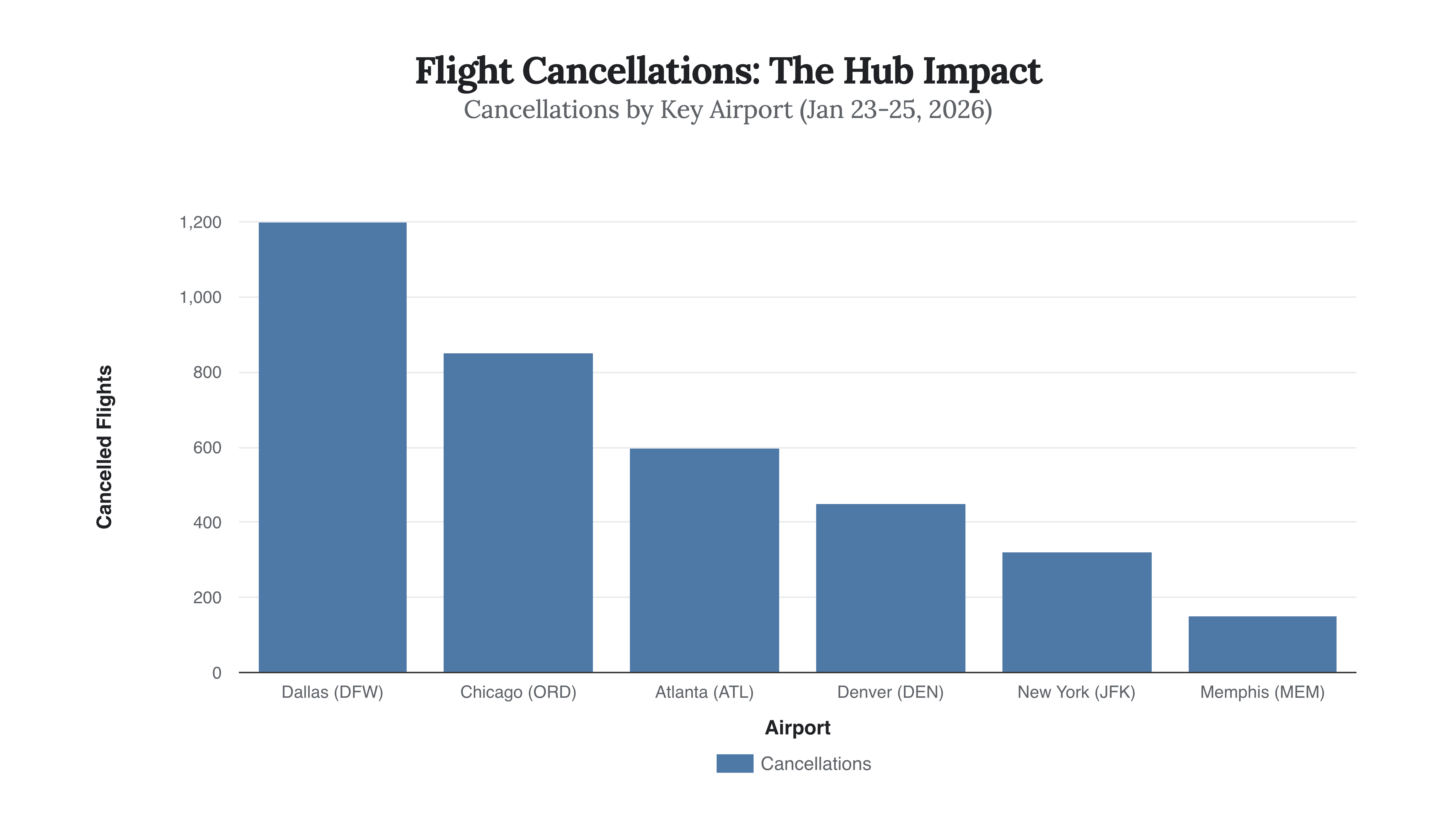
As of January 25, 2026, a massive winter system (informally dubbed “Winter Storm Fern”) has paralyzed the US logistics network. Flight cancellations have topped 6,000, with over 15,000 total disruptions reported by FlightAware. The storm has struck the critical “Logistics Corridor”—from the FedEx hub in Memphis to the American Airlines hub in Dallas-Fort Worth. Infrastructure failures are widespread, with de-icing fluid shortages and crew timeouts compounding the weather impact. The economic cost is already estimated in the billions, mirroring the “Icemageddon” events of previous years but with higher inflationary sensitivity.
Strategic Deep Dive
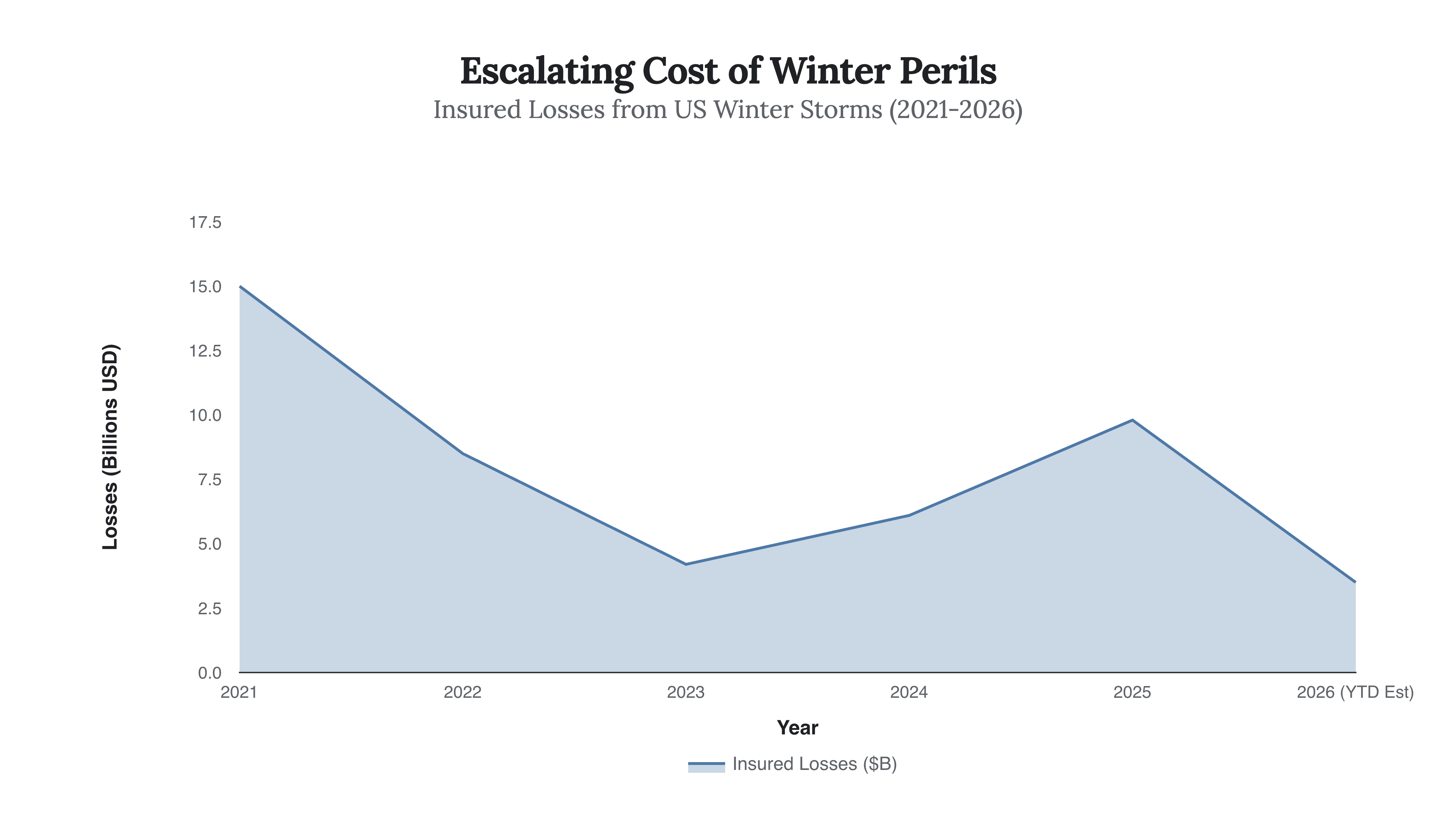
This event exposes the fragility of the “Just-In-Time” optimization model in an era of climate volatility. The US aviation and logistics grid is running at near 100% capacity, leaving no buffer for recovery. When Dallas fails, the ripple effect disrupts supply chains globally. The hidden risk here is insurance retreat. As noted by Swiss Re, insured losses from winter storms have averaged over $7 billion annually since 2021. We are approaching a tipping point where carriers will either price-out logistics firms from business interruption coverage or demand massive infrastructure upgrades that current balance sheets cannot support.
Forecast & Implications
Expect immediate supply chain snarls for Q1 2026 earnings, particularly in retail and automotive sectors relying on air freight. The long-term trade is “resilience infrastructure.” Companies that invest in private, hardened logistics (e.g., owned fleets, micro-fulfillment centers outside major weather zones) will trade at a premium. Conversely, the airlines face a regulatory crackdown; the FAA will likely face pressure to mandate stricter winter preparedness standards, increasing operating costs.
Minneapolis ICE Protests: The Domestic Front
Situation Analysis
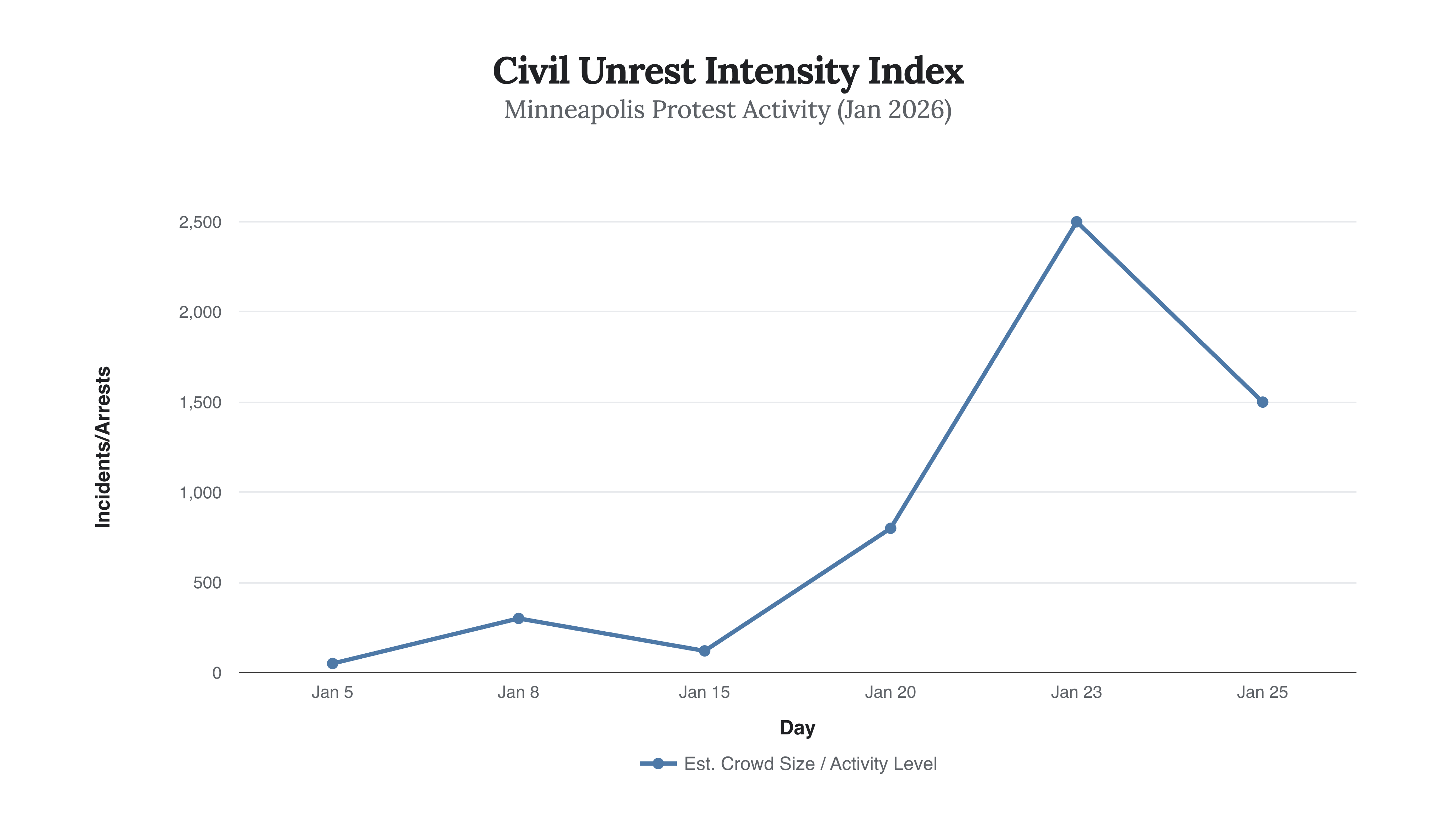
Minneapolis has become the epicenter of domestic resistance to the Trump administration’s “Operation Metro Surge.” Following the fatal shooting of observer Renee Good by an ICE agent, the city has seen weeks of escalating unrest. As of January 24, 2026, federal agents deployed tear gas and flash bangs against protestors in the Whittier neighborhood and at the Bishop Henry Whipple Federal Building. The situation has devolved into a jurisdictional crisis, with Governor Walz describing federal tactics as a “modern-day Gestapo” and state officials filing lawsuits to halt the operation. Over 3,000 arrests have been reported, and local commerce has been disrupted by general strikes.
Strategic Deep Dive
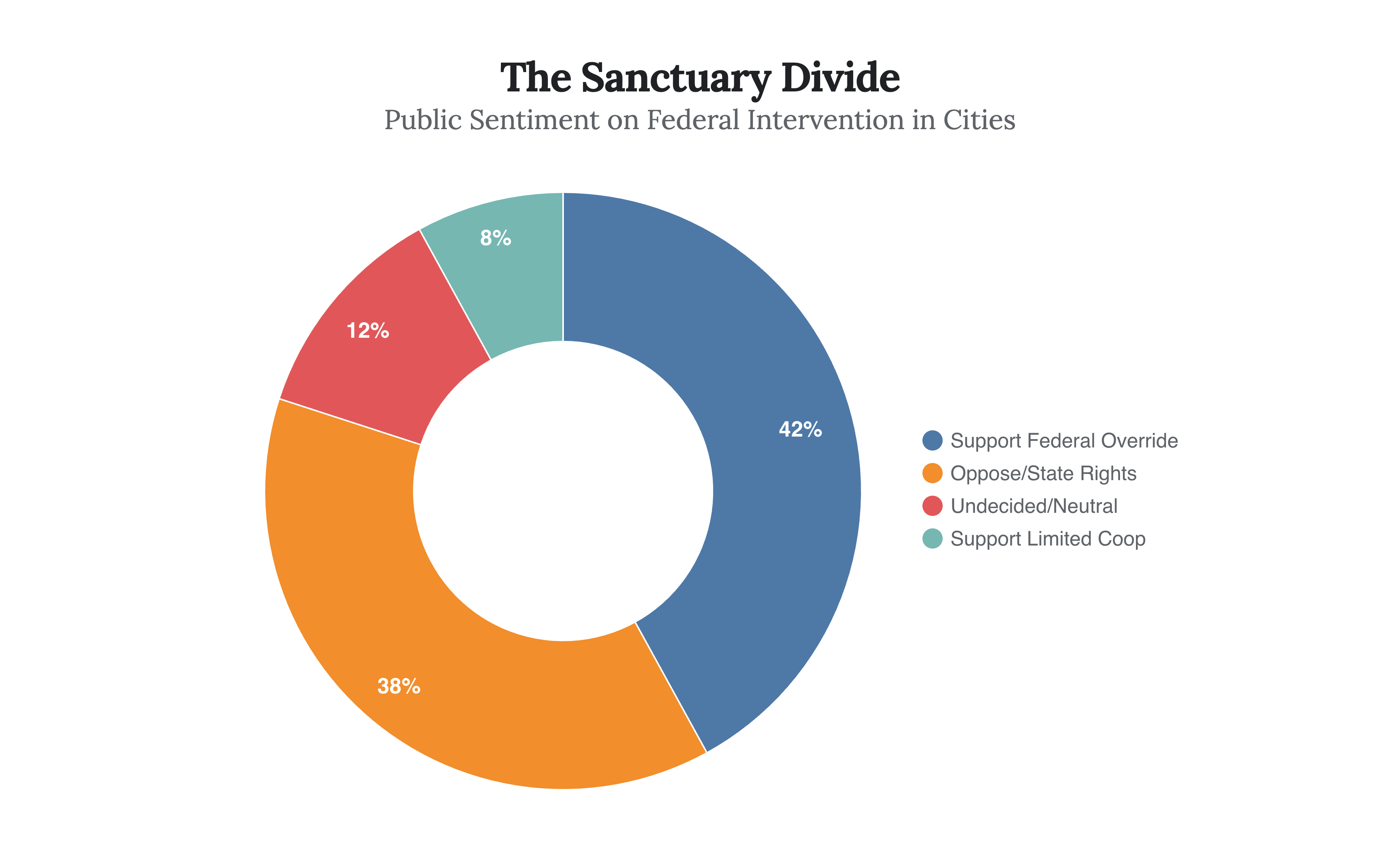
This is a constitutional crisis disguised as a protest. The conflict represents a breakdown in federal-state comity. When federal agents (ICE/DHS) operate in direct opposition to local and state authorities (Minneapolis PD/Gov. Walz), the “rule of law” becomes fragmented. For investors, this is a signal of operational risk in sanctuary jurisdictions. If federal enforcement overrides local governance, businesses in these zones face unpredictable disruptions—from employee walkouts to physical property damage. The polarization is absolute: there is no middle ground between “deportation force” and “sanctuary city.”
Forecast & Implications
The unrest in Minneapolis will likely metastasize to Chicago, Seattle, and New York as “Operation Metro Surge” expands. We anticipate a Supreme Court challenge regarding the limits of federal policing powers within state boundaries by Q2 2026. In the interim, expect corporate “compliance paralysis”—HR departments will be caught between federal mandates to audit employee status and local pressure to protect staff. The risk of wildcat strikes in the service sector is high.
Zelenskyy in Abu Dhabi: The Realignment
Situation Analysis
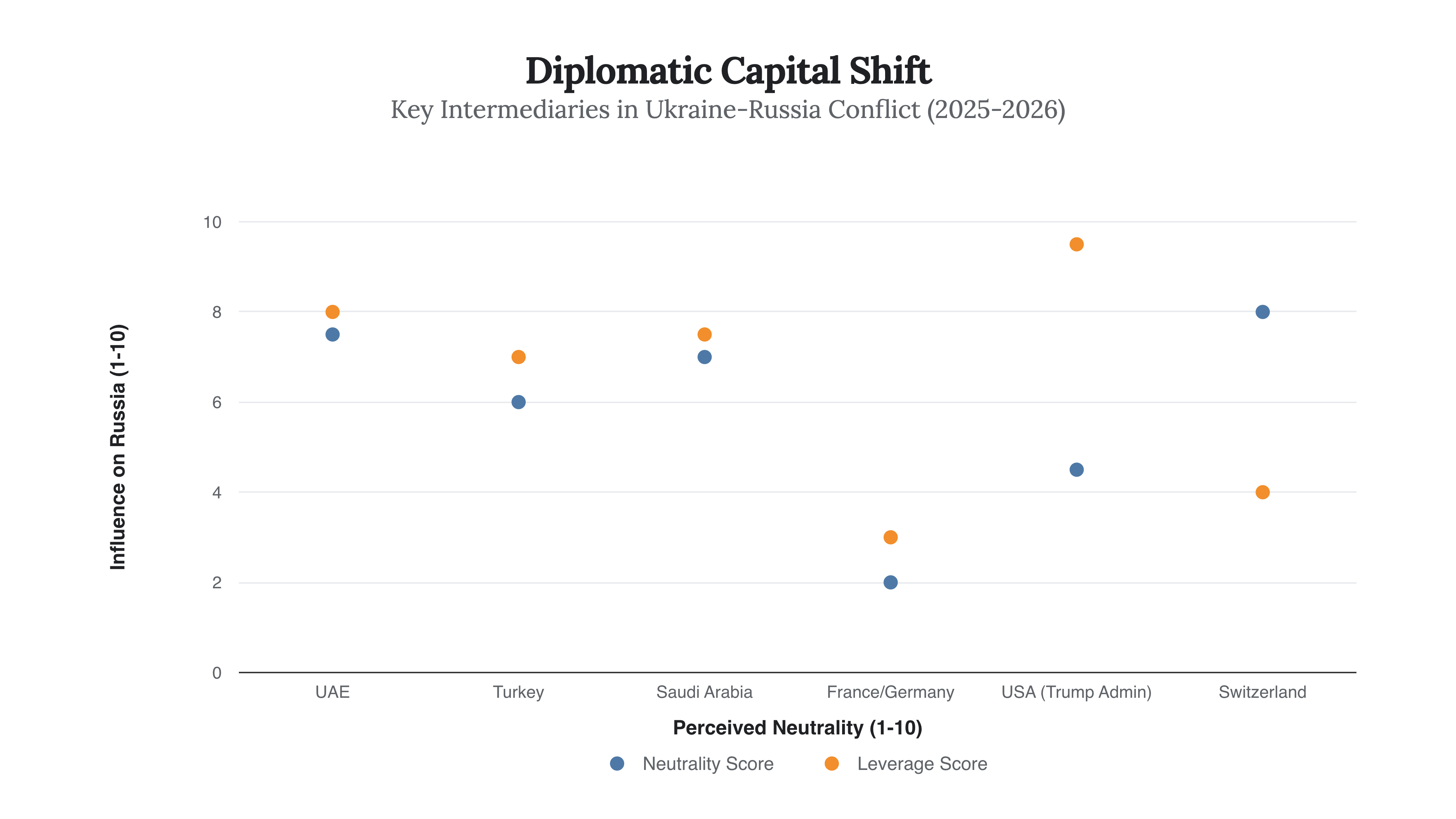
In a move that signals the end of the Atlanticist monopoly on Ukraine diplomacy, President Zelenskyy concluded a two-day trilateral summit in Abu Dhabi on January 24, 2026. The talks included high-level Russian military representatives and Trump administration envoys Jared Kushner and Steve Witkoff. The outcome was described as “constructive,” with discussions focusing on “possible parameters for ending the war.” The presence of UAE President Sheikh Mohamed bin Zayed as the host underscores the shift of diplomatic gravity toward the Global South. Crucially, the talks broached the concept of US “monitoring and control” of the peace process—a euphemism for a security guarantee that bypasses NATO Article 5.
Strategic Deep Dive
This is the “Art of the Deal” applied to geopolitics. The Trump administration is seemingly bypassing the State Department bureaucracy to cut a direct deal via personal envoys (Kushner). The choice of Abu Dhabi as the venue is deliberate: it legitimizes the UAE as the new Switzerland—a non-aligned financial hub where Russian and Western capital (and intelligence) can meet. For Zelenskyy, this is a pivot of necessity. With European aid flows uncertain and the US Congress gridlocked, he is seeking a settlement that preserves statehood, even if it sacrifices territorial maximalism. The “friction” of war is being resolved by the “lubricant” of Gulf diplomacy.
Forecast & Implications
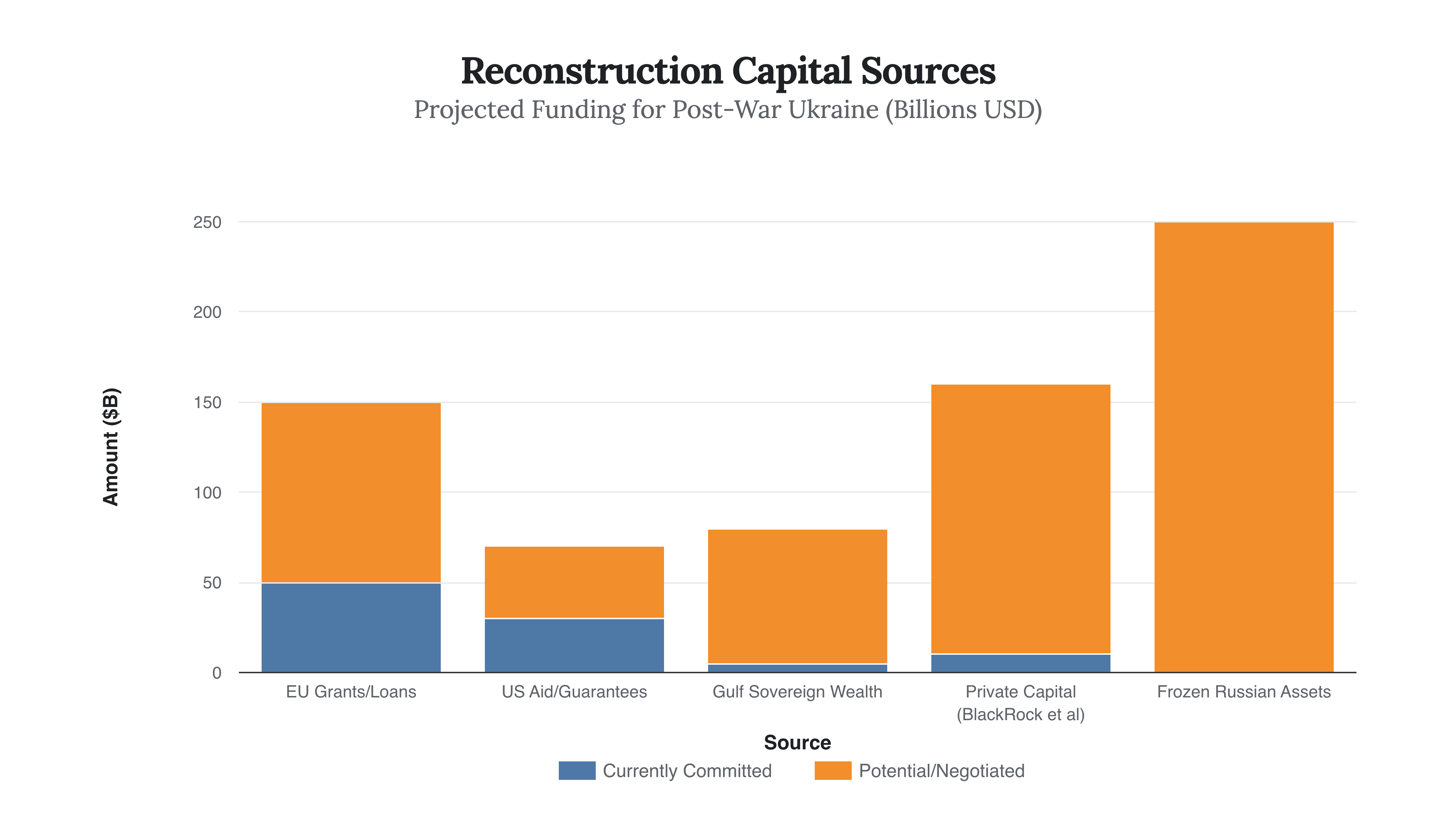
A ceasefire framework is likely to emerge before summer 2026, driven by the US-UAE-Russia axis. The implications for energy markets are profound: a lifting of sanctions on Russian energy could flood the market, crashing oil prices (hurting the US shale industry but helping global consumers). Long Ukraine reconstruction bonds (likely issued via Dubai) will become the high-yield trade of the decade. The loser in this realignment is Brussels, which has been effectively sidelined from the final settlement table.
Convergence & Opportunity
The convergence of these five vectors describes a world where State Power is reasserting itself against Market Forces.
The Risk: The frictionless world is dead. If you are moving goods through Dallas (weather), employing people in Minneapolis (unrest), or exporting to the US from Canada (tariffs), your cost of doing business has structurally increased. This is the “Friction Tax.”
The Hedge: Technology and Geopolitical Arbitrage. The Unitree G1 robot is a hedge against labor friction. The Abu Dhabi peace talks are a hedge against endless war friction.
The Play: Investors must pivot from “Efficiency” (Just-in-Time, Globalized) to “Sovereignty” (Automated, Regional, Protected). Buy the builders of the new automated workforce (robotics), buy the insurers of the new volatile climate, and buy the sovereign debt of the mediators (Gulf States) rather than the combatants.