


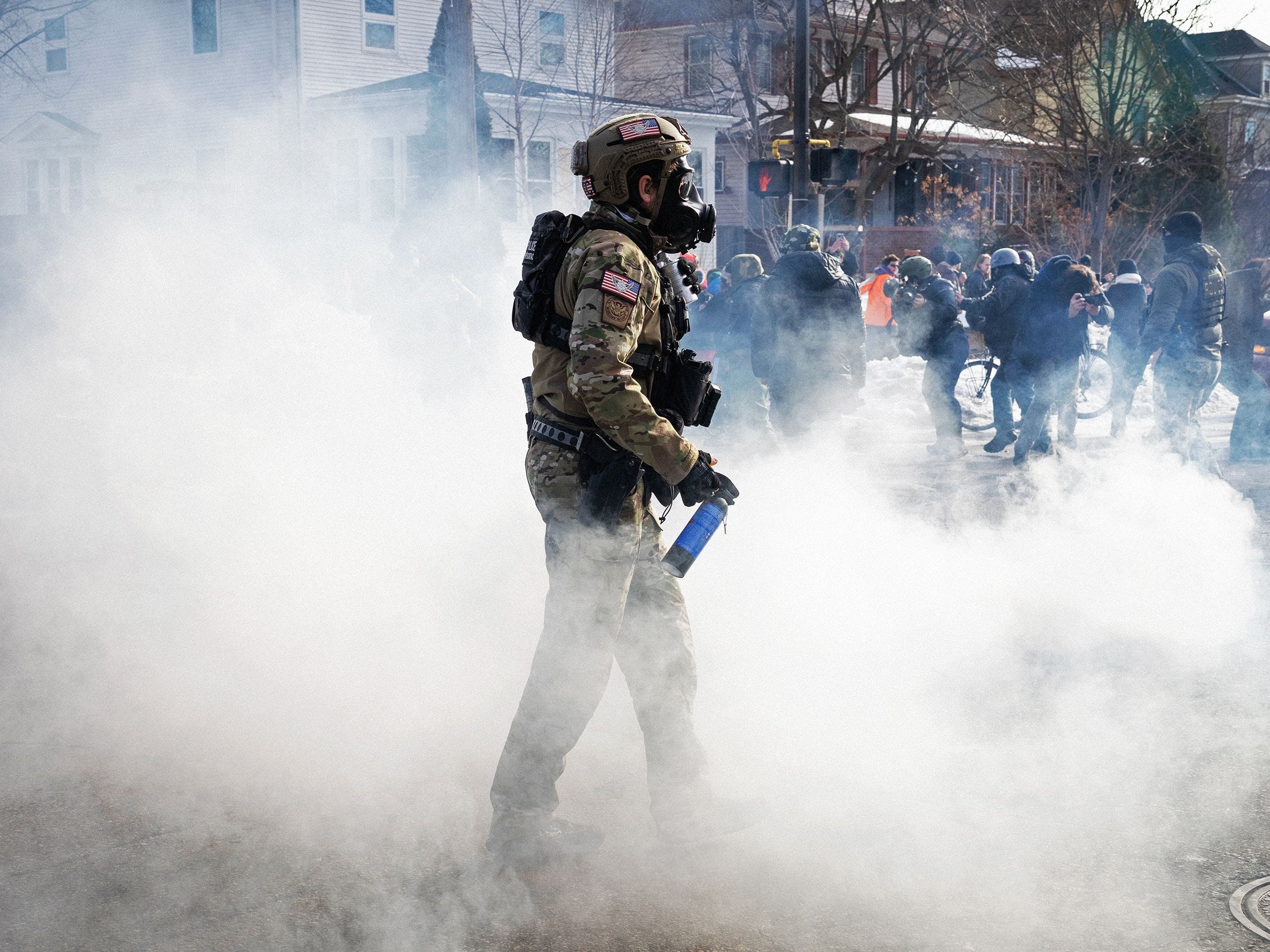
The streets of Minneapolis are unnervingly quiet today. It is Friday, January 23, 2026, and the snow that began falling overnight has been left largely undisturbed on the sidewalks of Lake Street. This silence is not a product of the winter chill, but of a deliberate refusal. Today is the “Day of Truth and Freedom,” an economic blackout organized by a coalition of labor unions and the Minnesota Immigrant Rights Action Committee (MIRAC). The lights in the bodegas are off; the classrooms in St. Paul are half-empty; the hum of the city has been stifled in a desperate bid to be heard.
Two weeks ago, on January 7, an ICE agent shot and killed Renee Macklin Good, a 37-year-old mother of three, near a school drop-off zone. That single bullet shattered the fragile detente between the city’s immigrant communities and the federal government, catalyzing what the Department of Homeland Security has termed “Operation Metro Surge.” In the days since, Minneapolis has become a laboratory for a new kind of American authoritarianism—one defined not just by enforcement, but by saturation.
We are witnessing the death of the sanctuary city, not through legislation, but through logistics. With 3,000 federal agents now deployed to the Twin Cities—outnumbering local police officers in some precincts by five to one—the federal government has effectively constructed a siege engine within the city limits. The data emerging from this operation reveals a terrifying efficiency: the machinery of deportation has been stripped of its friction.
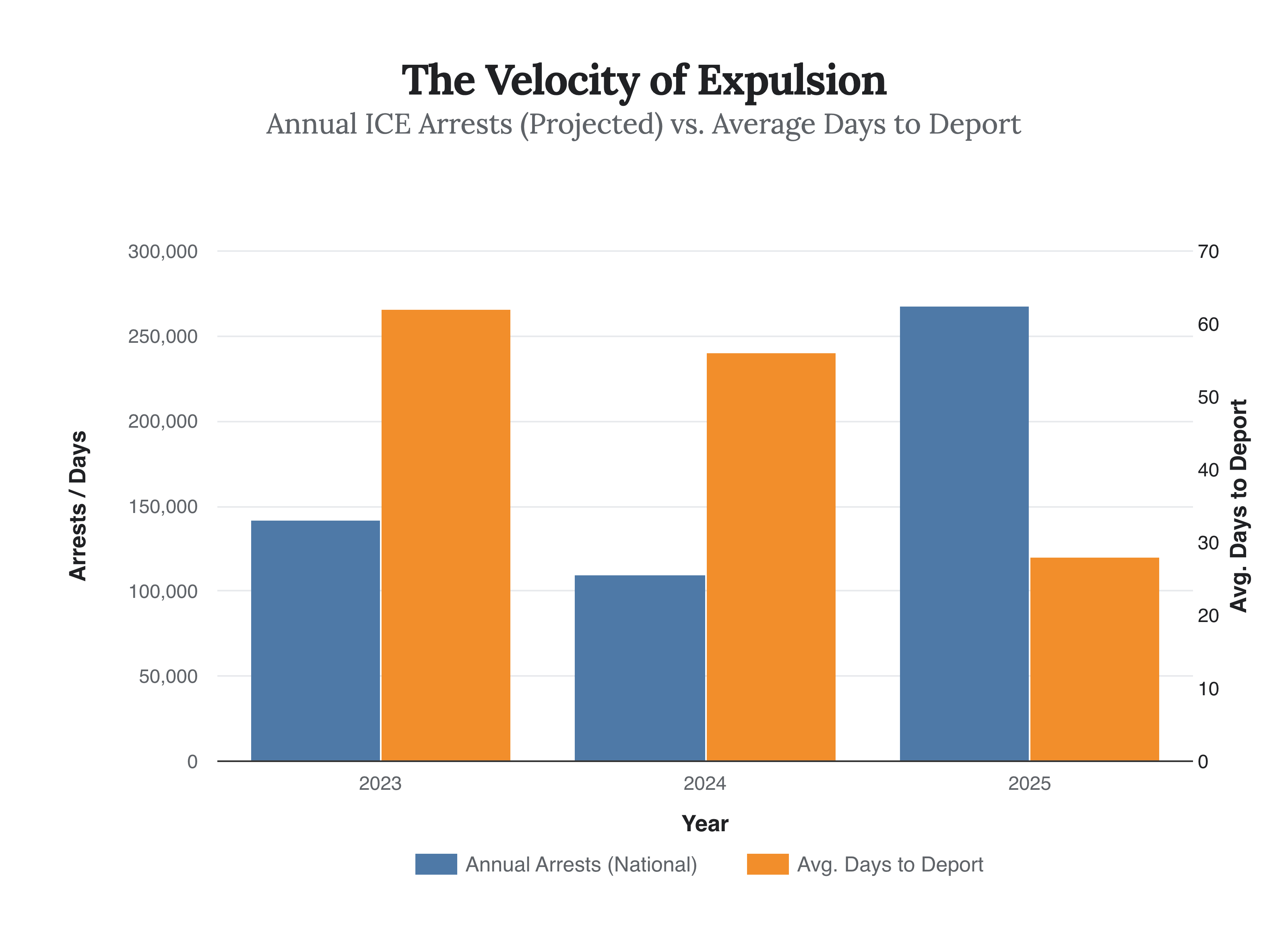
The chart above illustrates the collapse of due process. In 2024, under the previous administration, the average time to deport an individual after arrest was 56 days—a window that, however brief, allowed for legal counsel and family goodbyes. In 2025, that window snapped shut to just 28 days. More alarmingly, while total arrests in 2024 hovered around 110,000, the first five months of the Trump administration’s second term saw over 111,000 arrests alone. We are not merely seeing an increase in volume; we are seeing the industrialization of removal.
“When officials protect armed agents, repeatedly refuse meaningful investigation into killings like Renée Good’s, and signal they may pursue peaceful protesters and journalists, that is not justice—it is intimidation.”
This quote from civil rights attorney Nekima Levy Armstrong, who was arrested yesterday inside the Cities Church in St. Paul, underscores the escalation of tactics. The arrest of a prominent activist inside a house of worship—along with the detention of a journalist—signals that the traditional “sensitive locations” policy, which treated churches and schools as neutral ground, has been effectively dissolved. The sanctuary is no longer a physical place; it is a target.
The human cost of this surge is visible not just in the empty chairs at dinner tables, but in the grim statistics of custody itself. 2025 was the deadliest year for ICE detainees in two decades, a trend that correlates directly with the overcrowding and rapid-processing protocols instituted under the new “Metro Surge” directives.
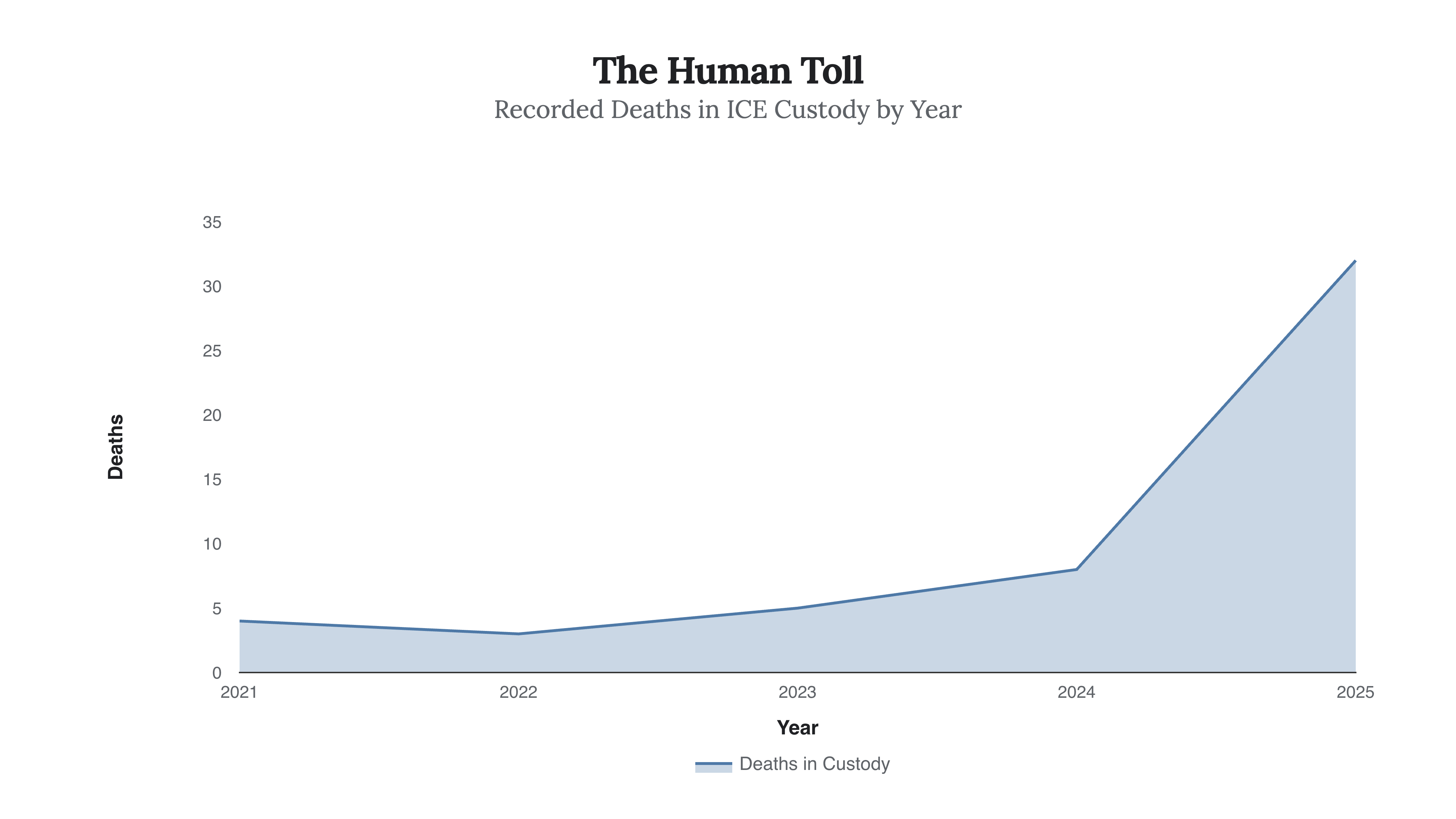
The spike in mortality is not an accident; it is an inevitability of a system running above redline capacity. When you accelerate the conveyor belt of human bodies, safety checks are the first casualty. The death of Renee Good was not an anomaly—it was a statistical probability realized. With confrontational protest rates in Minnesota hitting 30%, the highest in the nation, the streets have become a kinetic environment where the distinction between policing and combat is blurring.
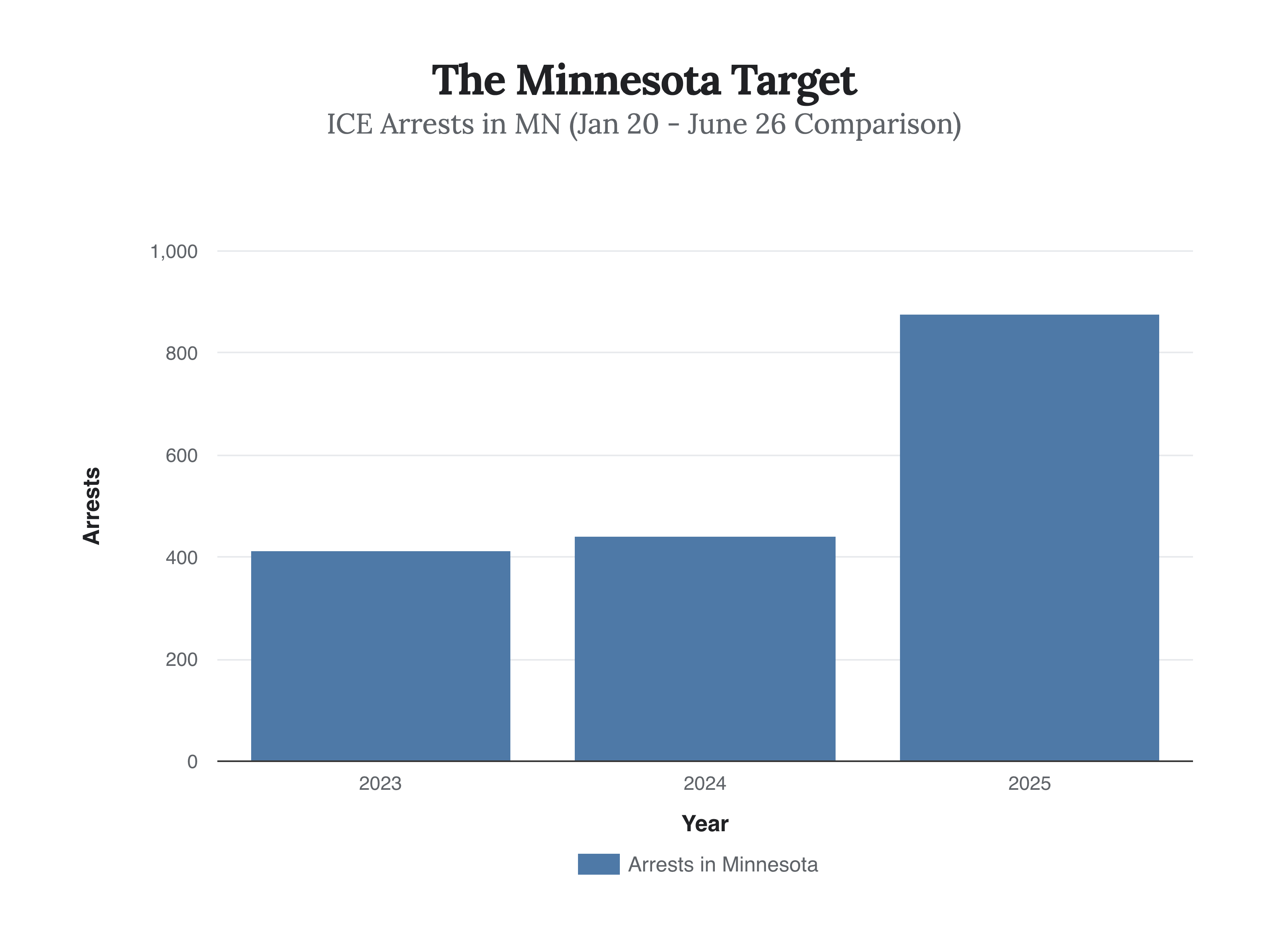
The focus on Minnesota is strategic. By flooding a progressive “sanctuary” state with federal force, the administration is engaging in what can only be described as punitive federalism. The deployment isn’t just about immigration; it is about breaking the political will of a recalcitrant city. The doubling of arrests in the state during the first half of 2025, compared to the same period the year prior, serves as a warning to other jurisdictions.
As the sun sets on this silent Friday, the snow continues to fall on a city under siege. The economic strike may dent the ledgers of local businesses, but its true weight is moral. It is a refusal to normalize the presence of armored vehicles in school zones and the abduction of congregants from pews.
“We have to stop ICE. This is an emergency, and we have to deal with it.”
The siege of Minneapolis teaches us a dark lesson about the modern state: rights are not guaranteed by parchment, but by power. When the architecture of choice is designed to produce fear, the only remaining freedom is the freedom to say no—to refuse to cooperate, to refuse to work, and to refuse to accept the unacceptable as normal.
I believe that this occupation was engineered wholly, or partly, by the master occupiers of the Middle East.
We know that the training and the tactics did.
Every day another brick is added to the wall that will divide and destroy us. It must be broken down.