



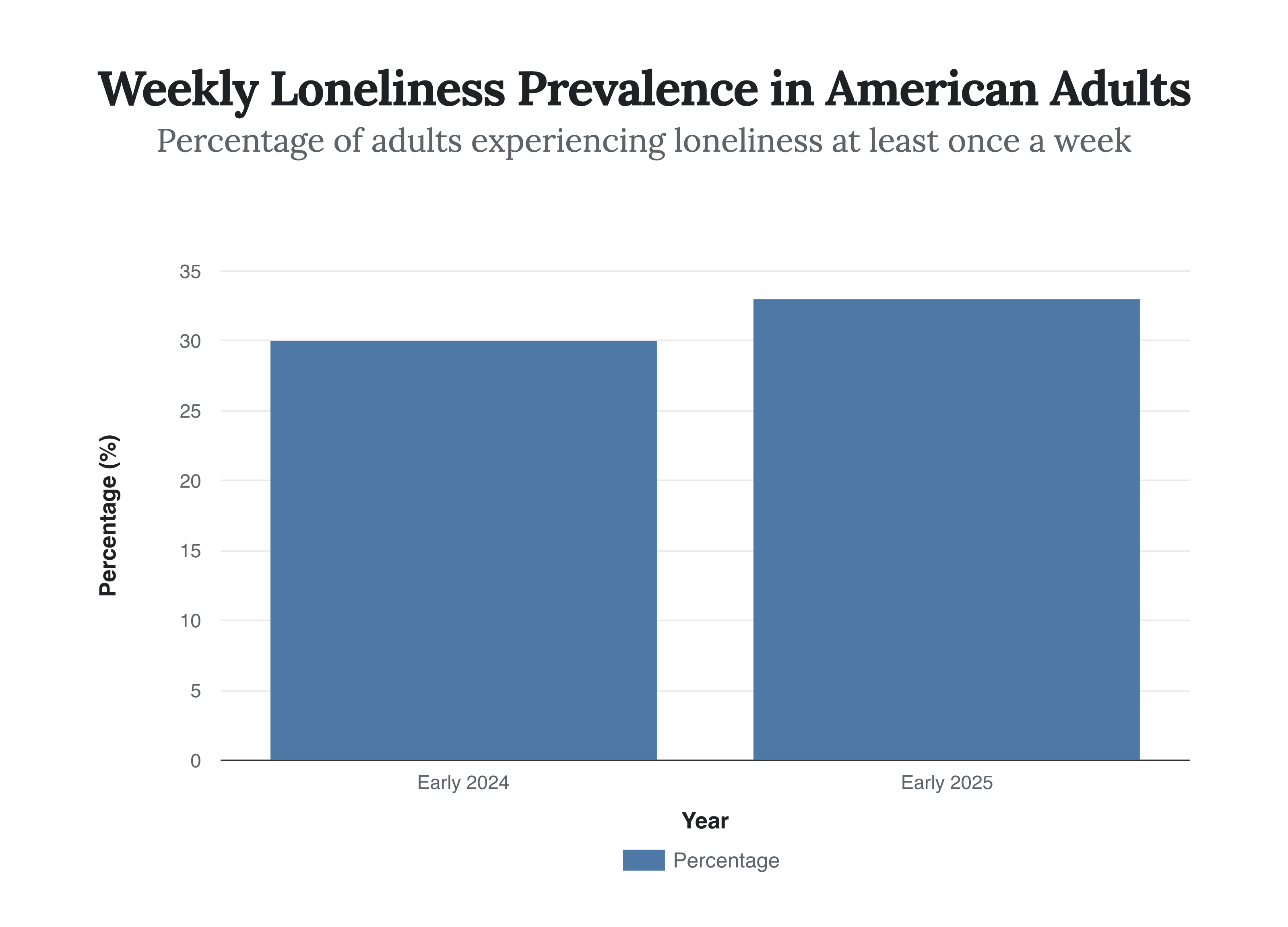
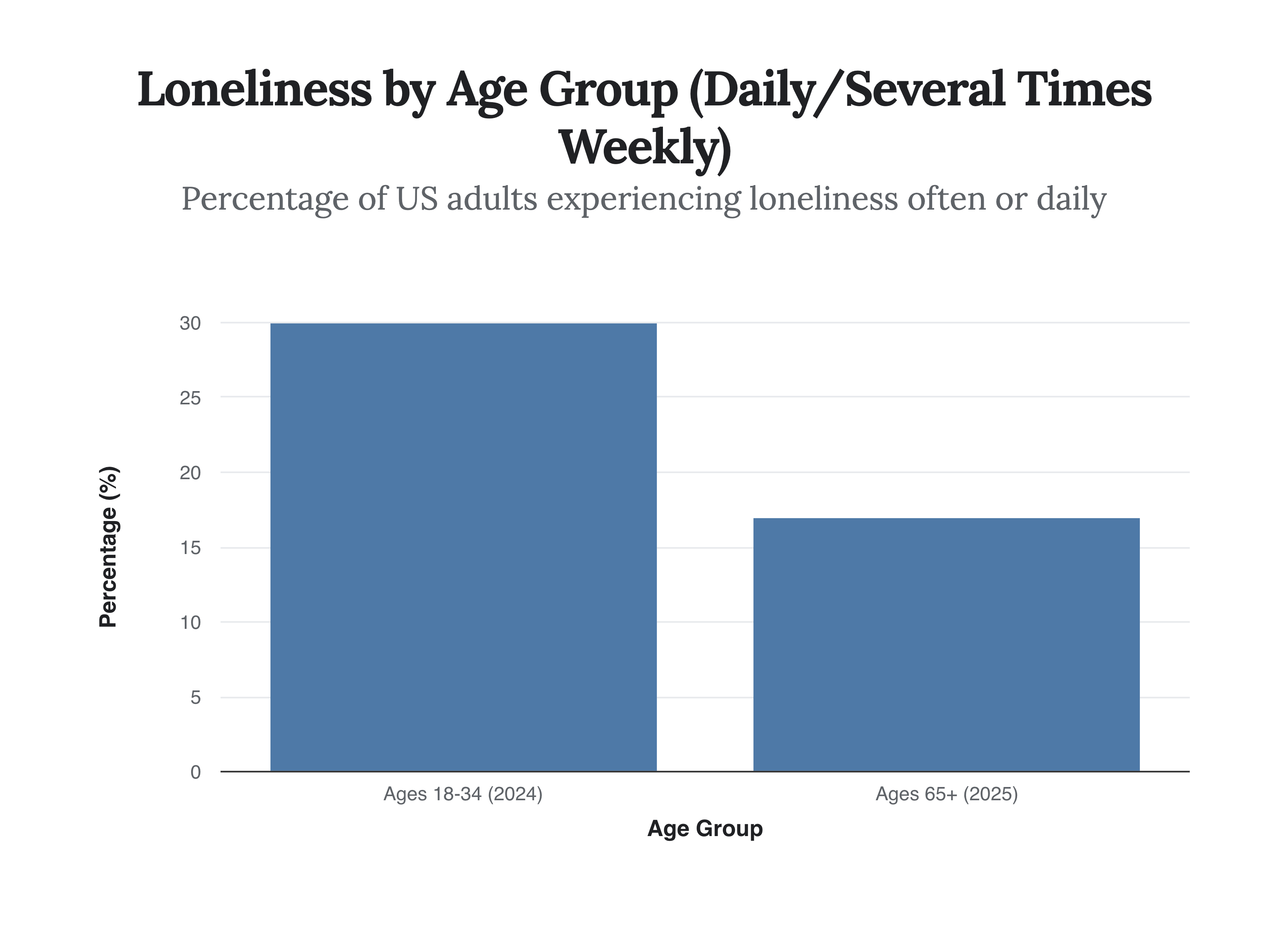
In early 2025, a significant portion of American adults, 33%, reported experiencing feelings of loneliness at least once a week over the preceding 12 months. This figure represents a slight but notable increase from the 30% reported in a similar poll conducted in early 2024, signaling a deepening challenge to social well-being. This pervasive sense of disconnection extends beyond occasional isolation; 10% of adults reported feeling lonely every single day, indicating a chronic condition for millions of individuals. Younger demographics, specifically adults aged 18 to 34, are disproportionately affected, with 30% in this age group experiencing daily or several-times-a-week loneliness. This widespread and intensifying loneliness underscores a fundamental erosion of social cohesion across the United States.
Durkheim’s Diagnosis of a Disintegrated Society
The contemporary surge in loneliness resonates with the foundational sociological insights of Émile Durkheim, particularly his concept of ‘anomie.’ Durkheim, observing the rapid industrialization and social upheaval of 19th-century Europe, identified anomie as a state of ‘normlessness’ or societal deregulation. It arises when the collective consciousness—the shared beliefs, morals, and values that bind individuals to a society—weakens, leading to a breakdown of moral guidelines and social integration. This deregulation leaves individuals without clear social anchors, adrift in a sea of unbridled desires and conflicting expectations. For Durkheim, anomie was not merely an individual psychological state but a pathological condition of the society itself, manifesting in heightened rates of social pathologies, including suicide and, by extension, profound loneliness.
The Erosion of Collective Bounds
Durkheim posited that robust social institutions and shared moral frameworks are essential to provide individuals with a sense of belonging and purpose, thereby mitigating anomie. When these collective bonds are insufficient, individuals are ‘abandoned to himself and demoralize[d].’ He argued that ‘the state of anomy is impossible when solidary organs are sufficiently in contact or sufficiently prolonged’ (*The Division of Labor in Society*, George Simpson translation, p. 368). The implication is clear: frequent, meaningful social interaction within a shared normative context is a bulwark against societal disintegration. The modern phenomenon of widespread loneliness suggests a systemic failure in maintaining these ‘solidary organs’ and ‘prolonged contacts,’ pushing a significant segment of the population into an anomic void.

Digital Echo Chambers and Fragmented Affiliations
The mechanism by which Durkheim’s anomie reappears in modern life is multifaceted, deeply intertwined with the architecture of contemporary society. The rise of digital platforms, while offering superficial connectivity, often fails to cultivate the deep, reciprocal relationships essential for genuine social solidarity. While most Americans believe technology helps them form new relationships (66%) and connect more frequently (75%), a critical division exists: only 54% feel technology fosters ‘meaningful’ relationships, while 46% perceive them as ‘superficial’. This technological landscape, characterized by curated self-
