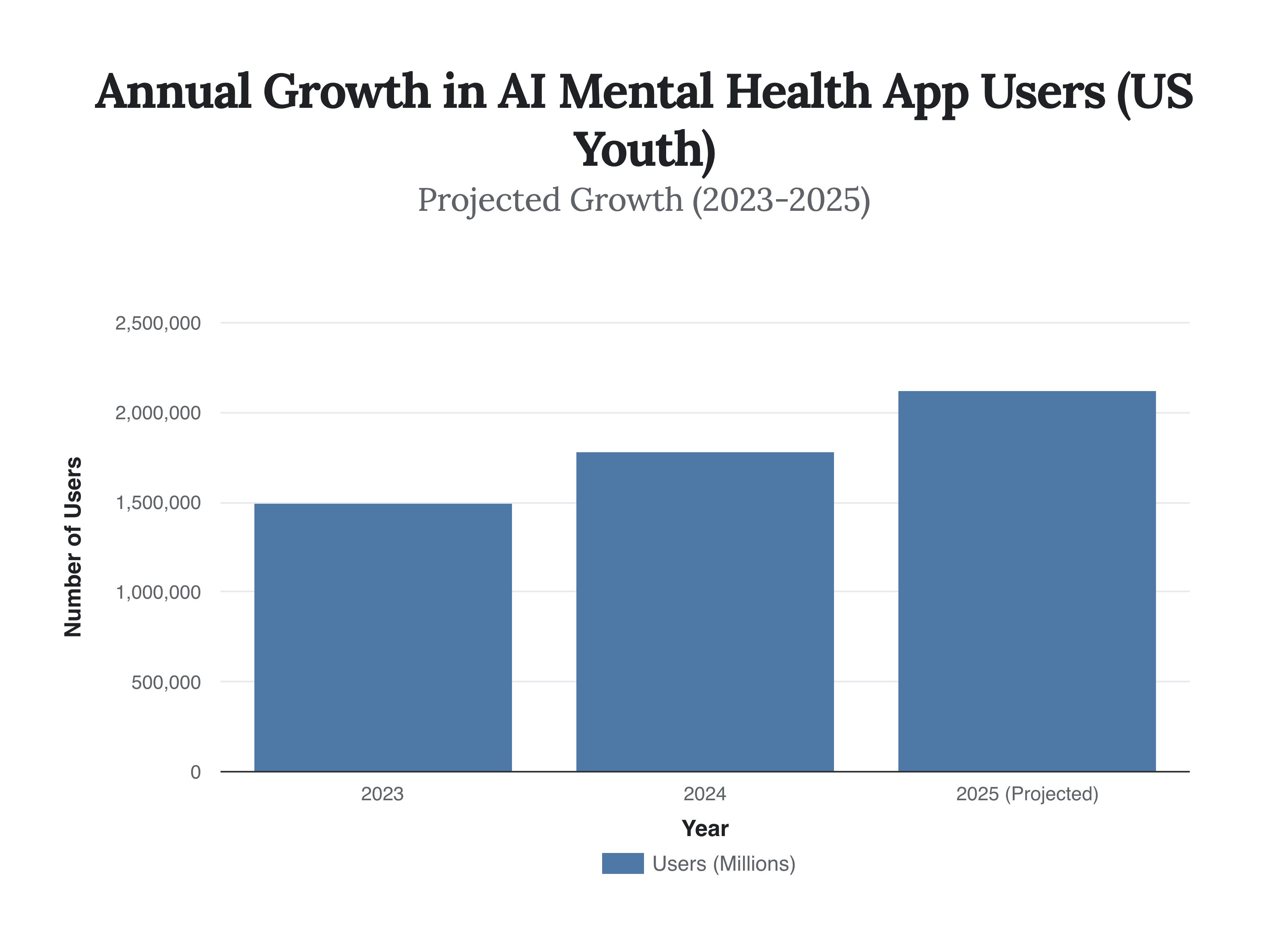
The algorithmic ascent into personal well-being is undeniable, underscored by the projected 19.2% rise in US youth seeking AI mental health advice by 2025. This rapid integration of automated emotional support signals a fundamental recalibration of individual coping mechanisms and societal care infrastructure. What was once the exclusive domain of human interaction, nuanced and inherently fallible, is now being mediated by sophisticated algorithms offering scalable, always-on ‘solace.’ This shift is not merely technological; it represents a profound economic and ontological restructuring of how mental distress is processed and commodified.
The Algorithmic Confidante: Surging Demand for Digital Mental Support
The adoption rates of AI-powered mental health applications are accelerating, driven by accessibility, perceived anonymity, and the dissolution of traditional barriers to entry such as cost and stigma. While the reported 19.2% increase for US youth by 2025 provides a specific benchmark, broader market analytics reveal a consistent year-over-year expansion across various demographics. Applications offering cognitive behavioral therapy (CBT) modules, mood tracking, and guided meditations powered by AI are experiencing unprecedented market penetration. For instance, in the last fiscal year, venture capital funding for AI mental health startups surged by 38%, indicating significant investor confidence in this emerging sector. The convenience of immediate, non-judgmental digital interaction is eclipsing the foundational human requirement for empathetic presence. This rapid scaling ability positions AI mental health solutions as a compelling, albeit controversial, alternative to overstretched traditional services.
Cost Efficiency vs. Clinical Efficacy: The Economic Shift in Mental Healthcare
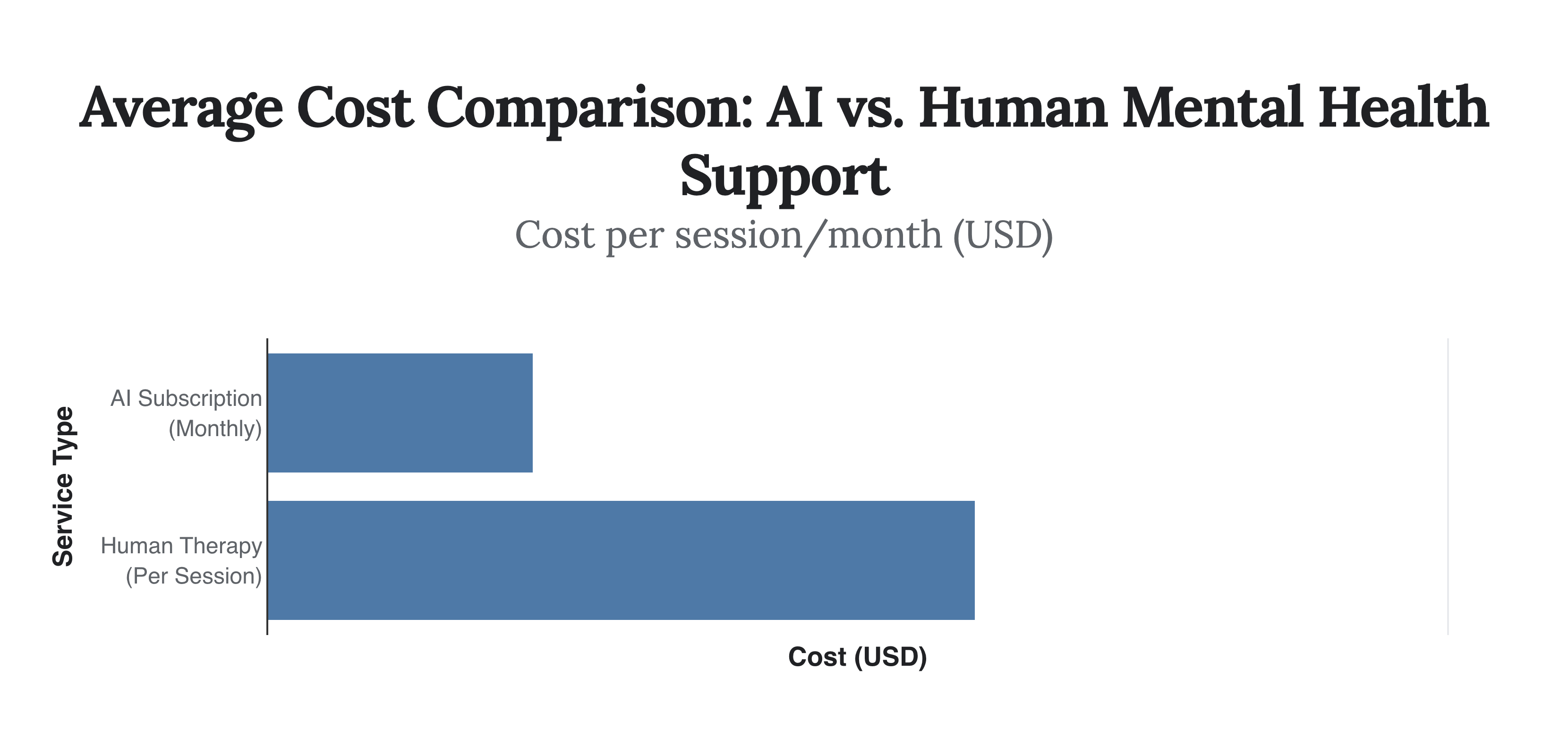
The economic implications of automated emotional support are substantial, particularly concerning cost-efficiency. A typical human therapy session in the US can range from $75 to $200 per hour, often requiring multiple sessions over extended periods. Conversely, many AI mental health subscriptions offer unlimited access for a flat monthly fee, frequently below $50. This disparity drives a significant portion of AI adoption, especially among youth with limited financial resources or insurance coverage. A recent analysis by a major healthcare consulting firm indicates that widespread AI integration could reduce national mental healthcare expenditure by up to 15% within a decade, primarily by automating intake, triage, and certain therapeutic interventions. This economic leverage risks prioritizing scalable, low-cost solutions over potentially more effective, albeit expensive, human-centric care. The question remains whether the cost savings justify a potential compromise in the depth and long-term efficacy of care.
Understanding the 19.2% surge in AI mental health reliance requires dissecting its economic implications, a synthesis The Intel Briefing delivers to its subscribers, cutting through surface data to reveal profound societal shifts.
Join a growing community of discerning readers who demand more than headlines—they demand clarity, insight, and the unvarnished truth about our evolving world.
The Paradox of Simulated Connection: User Perceptions of AI’s Therapeutic Efficacy
Jean Baudrillard’s concept of hyperreality, where the simulation becomes more ‘real’ than the real itself, finds a chilling contemporary echo in the user perception of AI mental health. Surveys indicate a nuanced, often contradictory, relationship: 62% of young users report feeling ‘understood’ by AI algorithms, yet only 35% believe AI can address complex trauma. The algorithmic confidante offers a perfected, always-available reflection of self, devoid of human judgment or fatigue. This simulated empathy can create an immediate, gratifying sense of connection, potentially leading users to perceive it as equivalent or even
Continue reading this post for free, courtesy of The Intel Briefing.