


The 1,954-mile line separating the United States and Mexico is simultaneously a seam and a barrier. In the strategic calculus of 2026, this border is no longer just a line on a map; it is a dynamic, multidimensional space where the tectonic plates of global trade, human migration, and resource security collide. A great reversal is underway. While political rhetoric often focuses on a single dimension—the flow of people—the data reveals a far more complex reality. Economic integration is deepening at an unprecedented rate, even as physical and technological barriers are being erected with renewed urgency. The defining dynamic of the border in 2026 is this paradox: it is hardening and dissolving at the same time.
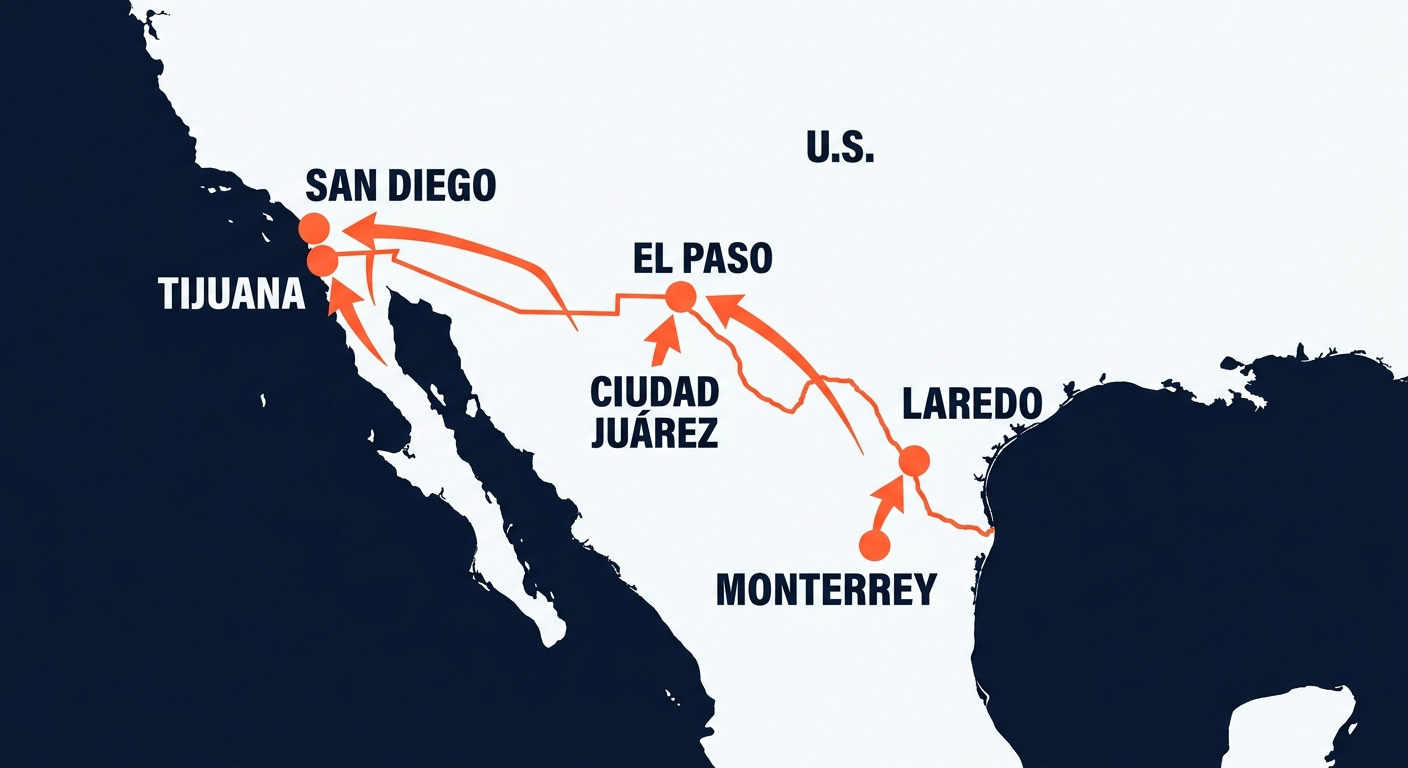
The primary driver of this transformation is the structural shift in global supply chains, a phenomenon known as ‘nearshoring’. Post-pandemic logistics shocks and escalating geopolitical friction with China have fundamentally altered the calculus for North American manufacturing. For decades, the logic was to produce in Asia and ship across the Pacific. By 2026, that logic has been inverted. Proximity to the U.S. market, secured by the USMCA trade agreement, has made Mexico the premier manufacturing platform for goods destined for American consumers. The data is unambiguous. In 2025, bilateral trade in goods and services was on track to surpass the $1 trillion mark, a historic milestone. For the first quarter of 2026, U.S. goods trade with Mexico totaled $231.3 billion, with a consistent flow of automotive parts, electronics, and medical devices moving north. This is not a temporary surge; it is a strategic realignment of capital and production.
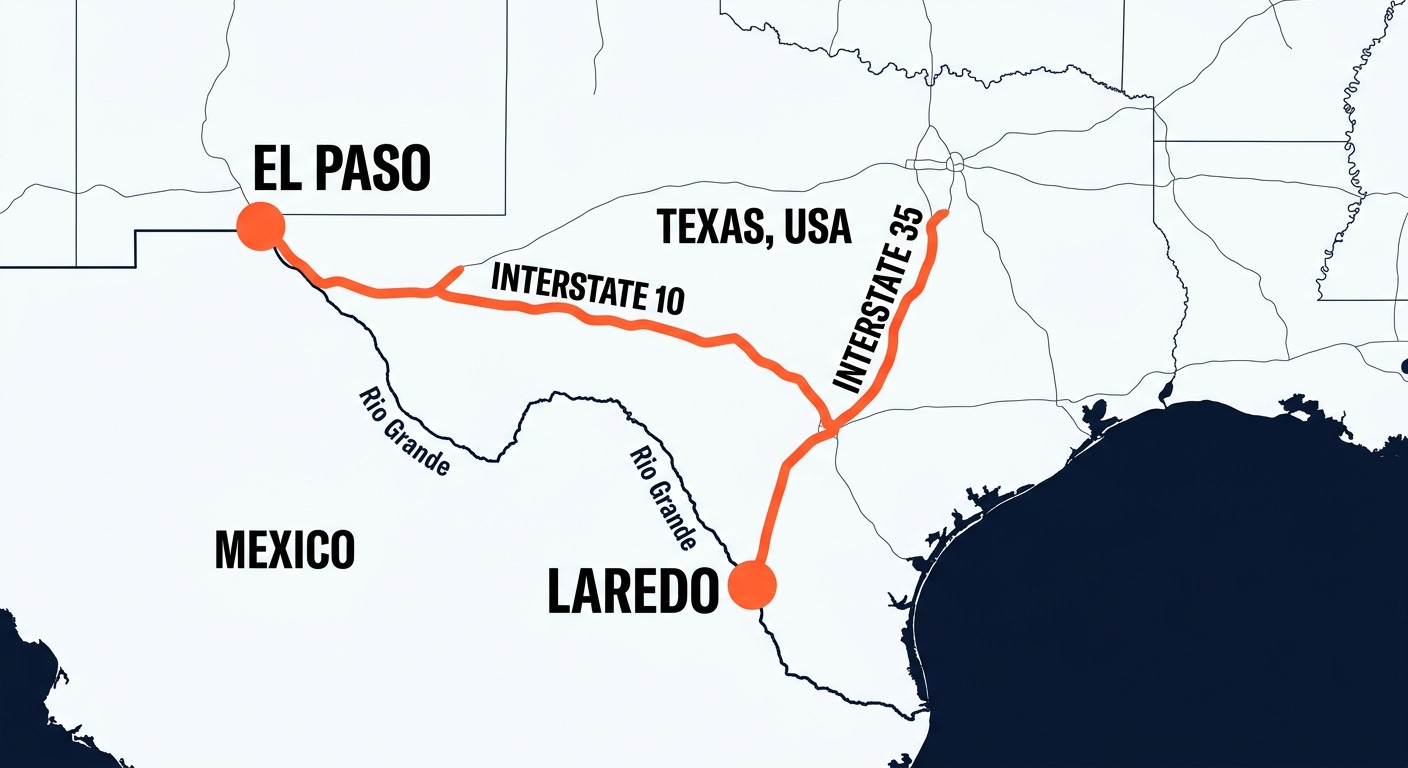
This economic integration is physically concentrated. A handful of geographic chokepoints handle the vast majority of this commerce. Port Laredo, Texas, remains the undisputed king of land-based trade, processing over $29 billion in February 2026 alone and accounting for 40% of all U.S.-Mexico trade. The World Trade Bridge in Laredo is the logistical heart of the nearshoring boom, a critical artery that pumps finished goods into the American interior. The intensity of this flow places immense strain on infrastructure, creating a new strategic vulnerability. As commercial truck entries increased by over 4% in 2025, wait times and logistical costs have become critical variables in supply chain models. Any disruption at a key crossing like Laredo, whether from security alerts, infrastructure failure, or policy shifts, would send immediate shockwaves through the North American economy.
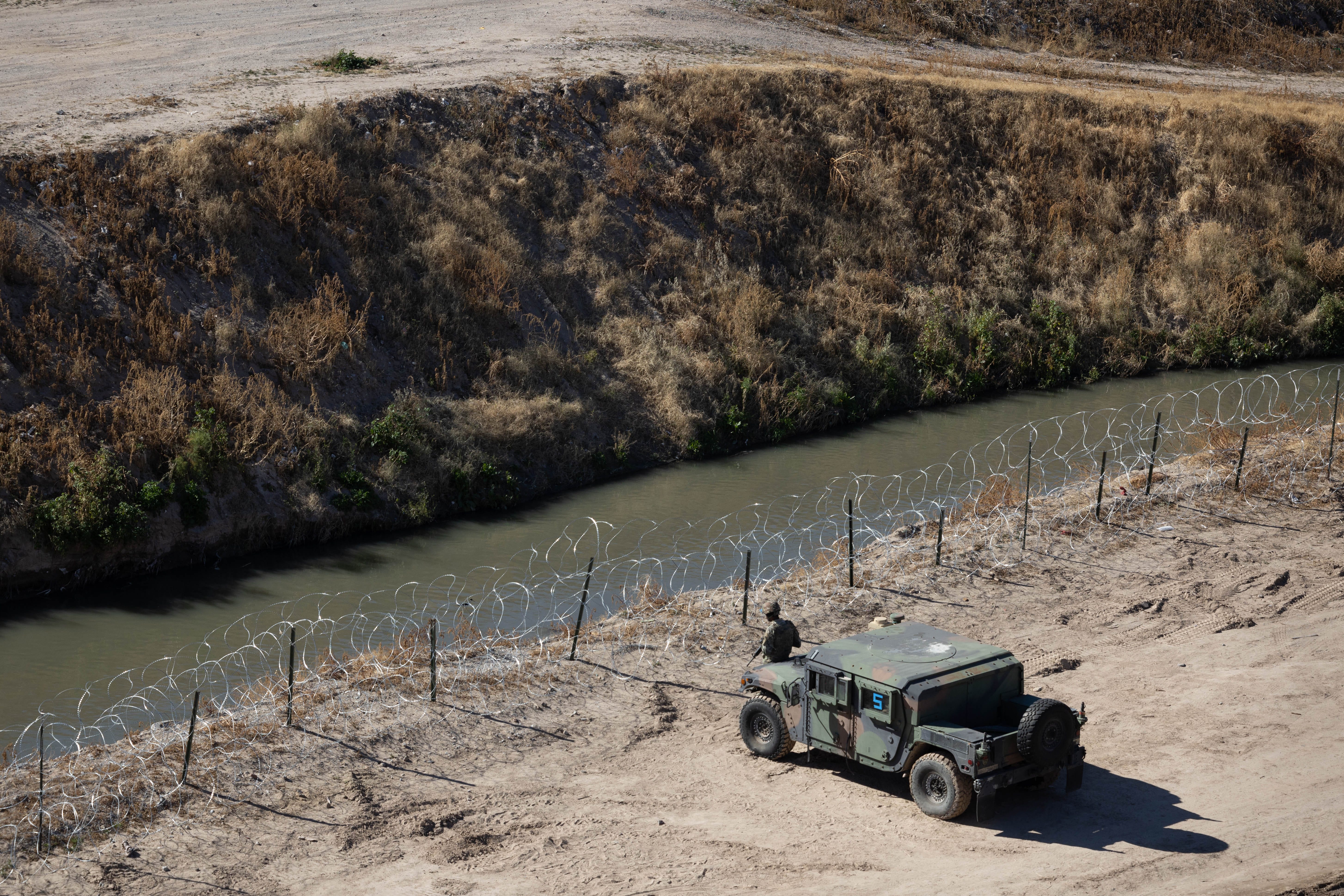
Even as economic barriers dissolve, physical ones are being fortified. A renewed push for border wall construction, funded by legislation passed in 2025, is reshaping the physical landscape. This isn’t merely a continuation of previous efforts; it’s an evolution. The strategy now combines traditional steel bollard walls with a sophisticated ‘Smart Wall’ system of sensors, cameras, and surveillance drones. Contracts worth billions have been awarded for new construction and upgrades in key sectors across Texas, Arizona, and California, slated for completion through 2026 and 2027. For example, projects in the Big Bend sector of Texas are adding 175 miles of new barriers, while double-wall projects are underway near Tucson and San Diego. This creates a hardened, layered security posture in specific high-traffic corridors, physically channeling all cross-border movement—both legal and illicit—toward technologically monitored ports of entry.

Paradoxically, as the physical border hardens, the flow of irregular migration has plummeted. Data from U.S. Customs and Border Protection for Fiscal Year 2025 shows the lowest number of migrant encounters in over 50 years. Border Patrol recorded just 237,538 encounters in FY2025, a dramatic collapse from the record 2.2 million seen in FY2022. This is the great reversal. While the political narrative remains fixed on a ‘border crisis’, the spatial reality is one of radically diminished migratory pressure.
