


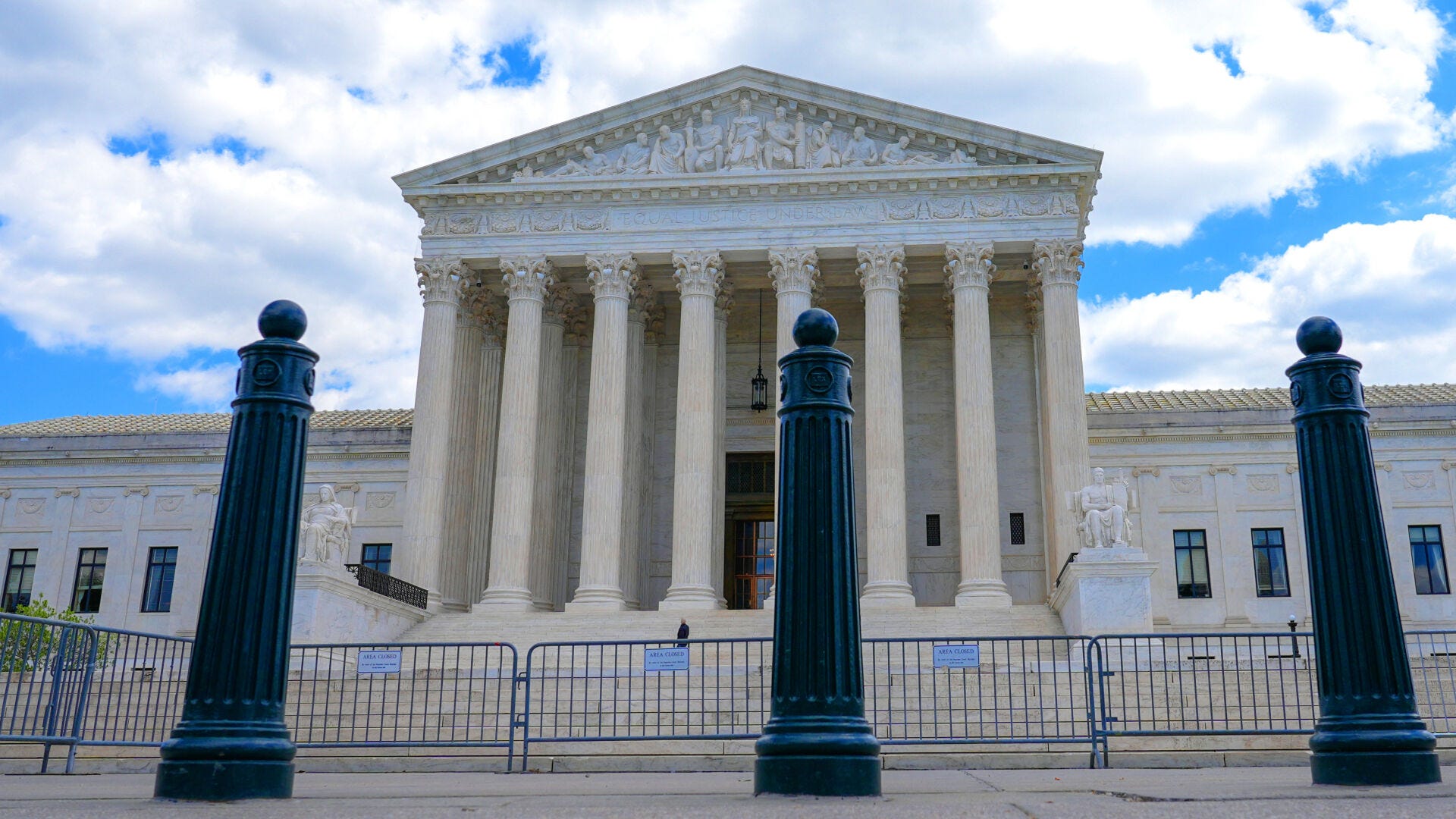
In January 2026, the Supreme Court handed down its unanimous decision in Case v. Montana, fundamentally rewriting the boundaries of the home and the Fourth Amendment’s protection against warrantless entry [1.1.1]. The case arose from a local emergency-aid dispatch where officers entered a private residence without a warrant based on a 911 suicide report, eventually shooting the occupant when he appeared with a firearm. In a 9-0 opinion penned by Justice Elena Kagan, the Court held that police do not require probable cause, nor do they need to meet a reasonable suspicion standard, to execute a warrantless home entry during a perceived emergency; instead, they need only possess an “objectively reasonable basis for believing” that someone inside faces imminent serious injury.
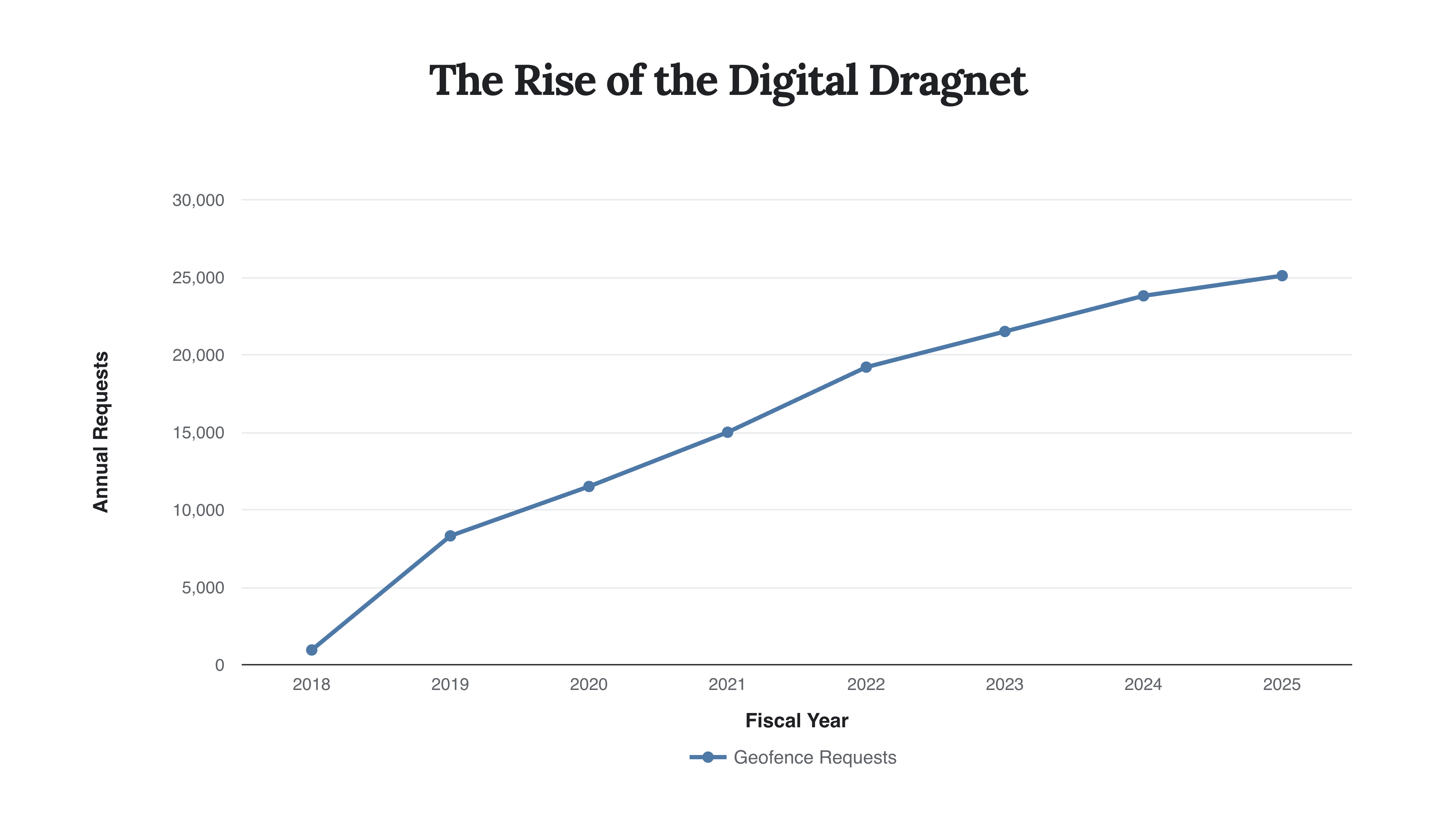
By elevating the flexible “objective reasonableness” standard into a standalone doctrine, the Court has effectively lowered the constitutional barrier to home entry, giving law enforcement unprecedented post-hoc leeway to justify warrantless intrusions under the guise of welfare checks. This ruling creates a massive second-order effect, particularly in civil rights litigation. Historically, plaintiffs could challenge home entries by demonstrating a lack of probable cause. Under the new Case precedent, municipal defense teams can quickly dismiss Section 1983 civil rights claims by citing any subjective indicator of distress, such as empty holsters or unanswered knocks. While the Court attempted to frame this as a narrow emergency-aid carve-out, originalist and progressive scholars alike argue that it effectively creates a “welfare check loophole” that eviscerates the traditional sanctity of the home, replacing absolute constitutional protection with a highly discretionary, post-hoc police justification model.
The Geofence Dragnet and the Digital Search Standard
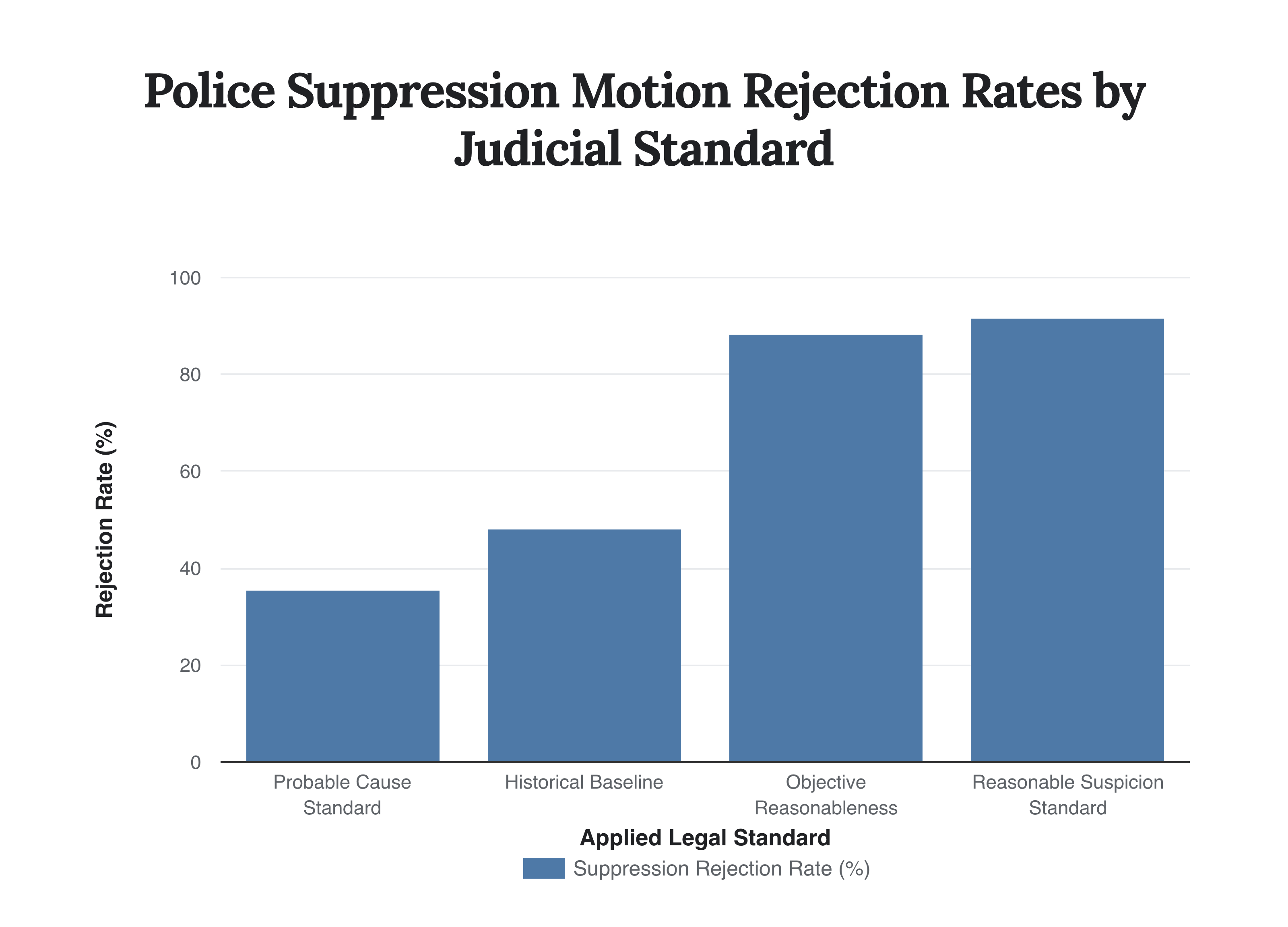
While the physical threshold of the home has been lowered, the Supreme Court’s April 2026 oral arguments in Chatrie v. United States confront the digital frontier of Fourth Amendment protections. At issue is the constitutionality of “geofence warrants”—reverse location searches that compel tech companies like Google to dump the location coordinates of every mobile device present near a crime scene during a specific timeframe. The litigation exposes a gaping circuit split: while the Fourth Circuit sitting en banc split 7-7 to allow the evidence, the Fifth Circuit in United States v. Smith categorically banned geofences, labeling them unconstitutional “general warrants”. The weaponization of geofence warrants transforms the entire citizenry into a pool of suspects, reversing the core constitutional presumption that searches must begin with individualized suspicion rather than retrospective data hauls. The data reality is staggering. Between 2018 and 2025, the volume of geofence requests issued to Google surged exponentially, turning corporate databases into the ultimate investigative dragnet. The ultimate resolution of Chatrie will decide whether the third-party doctrine—which historically held that individuals have no expectation of privacy in data voluntarily shared with third parties—can survive in an era of involuntary, ambient digital tracking. If the Supreme Court validates these general warrants, it will signal a permanent retreat of digital privacy, legalizing dragnet surveillance across all public spaces.
Fifth Amendment Jurisdictional Expansion and Sovereign Spheres
The expansion of state authority is not limited to physical or digital searches under the Fourth Amendment; the Fifth Amendment has also seen a significant reinterpretation of its Due Process protections. In Fuld v. Palestine Liberation Organization, the Supreme Court unanimously decoupled the Fifth Amendment’s Due Process Clause from the familiar Fourteenth Amendment “minimum contacts” framework. Lower courts had historically bound both amendments to the same restrictive standards, requiring international defendants to have direct, purposeful ties to a state before facing a lawsuit. The Supreme Court reversed this consensus, holding that because the federal government operates in a separate sovereign sphere from individual states, the Fifth Amendment allows for a far more flexible national-contacts standard when authorized by a federal statute.

By decoupling Fifth Amendment due process from local minimum contacts, the Court has drastically lowered the threshold for dragging foreign actors into American federal courts, creating a potent legal mechanism for global civil litigation. This standard enables plaintiffs under the Promoting Security and Justice for Victims of Terrorism Act (PSJVTA) to establish jurisdiction over foreign entities on a national level, a paradigm shift that will reverberate through international commerce and diplomatic relations. This new
