


The average user opens TikTok and is immediately shown a video of a stranger’s morning routine. The clip has 2.3 million likes. Before she decides whether it interests her, the algorithm has already decided it is what she should see—because that is what one watches. Three swipes later, a micro-influencer explains how to optimize your life. This is not a bug of social media; it is a technologically perfected realization of a philosophical concept articulated in 1927. Martin Heidegger’s ‘das Man’—the ‘they’—is the anonymous authority that tells each of us how to live, what to value, and how to present ourselves. The algorithmic feed has become its most efficient engine yet.

The Hegemony of the ‘They’
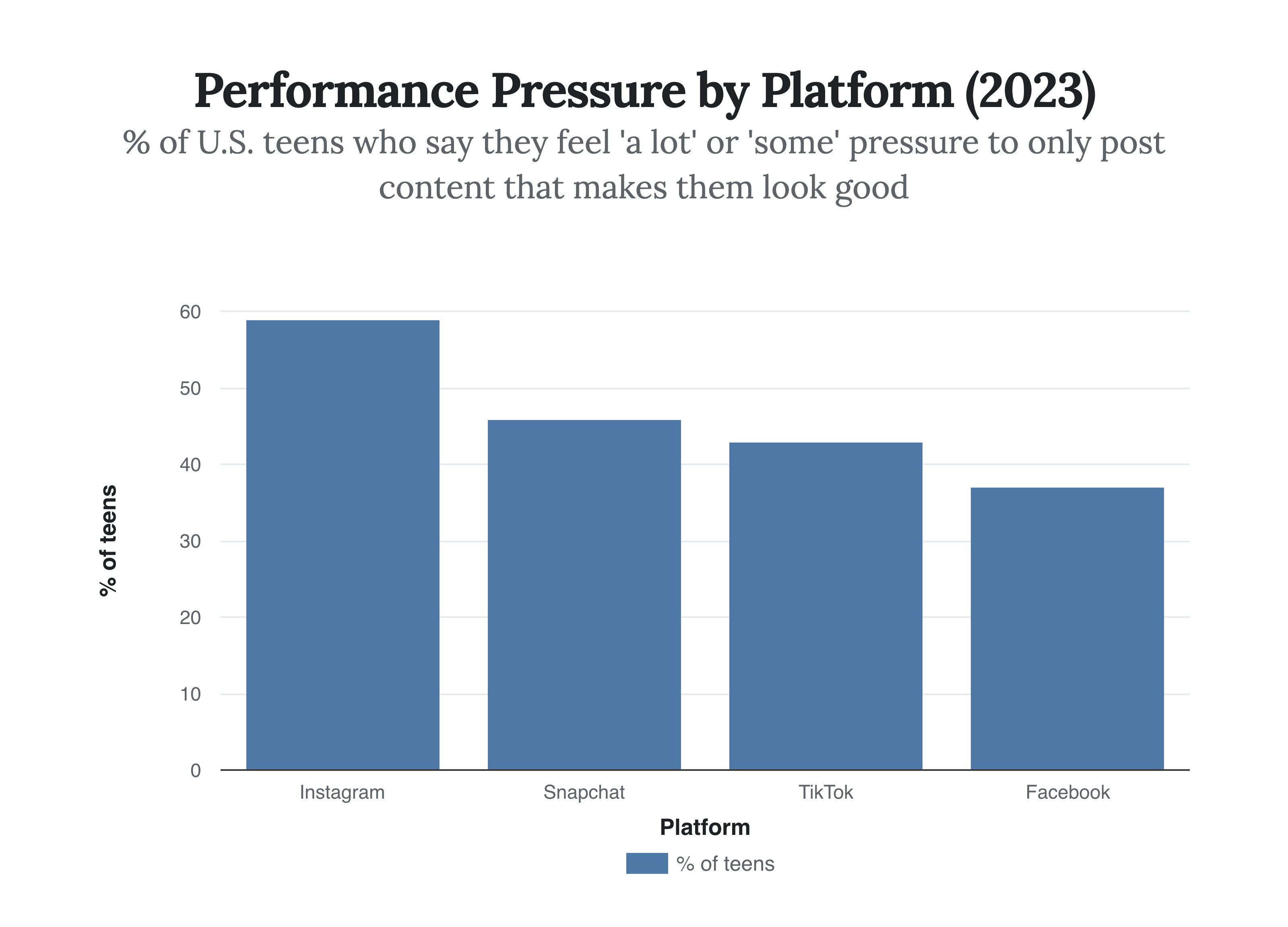
In Being and Time, Heidegger describes the everyday self as submerged in das Man: “We take pleasure and enjoy ourselves as they take pleasure; we read, see, and judge about literature and art as they see and judge; likewise we shrink back from the ‘great mass’ as they shrink back; we find ‘shocking’ what they find shocking” (H. 126–127). Das Man is no particular person; it is the neuter, the average, the normalized way of being that strips existence of its ownmost possibilities. It dictates everything from taste to politics to the acceptable range of emotions. Now consider the feed: an endless, personalized stream of what others are doing, buying, believing, and reacting to. It doesn’t just mirror existing conformity—it actively produces it by collapsing the distinction between what one chooses and what one is shown. The 59% figure is not a statistic about adolescent insecurity; it is a measure of das Man’s grip on the very possibilities of the self. Pew Research Center’s 2023 survey of U.S. teens found that 59% feel pressured to post only content that makes them look good to others, with numbers highest on the most visually performative platforms. The algorithm doesn’t reflect the crowd; it manufactures it by quantifying and feeding back the average response as a template for everyone’s next post. Heidegger’s ‘they-self’ (das Man-selbst) is no longer an existential structure passively inherited—it is updated in real time, optimized for engagement, and served back as a personal truth.
Authenticity as Resistance
Heidegger’s path out of das Man is Eigentlichkeit—authenticity—which is not an escape from the world but a transformed relation to it: owning one’s existence as one’s own. This requires what he calls anticipatory resoluteness: facing the certainty of one’s death in a way that individualizes existence, pulling it back from the dispersal of the ‘they.’ The algorithmic incarnation of das Man, however, presents a novel challenge: it is not merely a cultural atmosphere but a designed environment that captures attention and shapes desire at a pre-reflective level. To resist it is not simply to delete apps; it is to reclaim the capacity to question what one is shown before it becomes what one wants. That means seeking chronologically ordered feeds, cultivating boredom, or deliberately following voices that do not confirm the average. Yet the medium is also the primary venue for social connection—can one be authentic on a platform engineered to dissolve the self into the they? If the algorithm is the most efficient disseminator of das Man ever built, what would it mean to choose, daily and deliberately, not to be its subject?